Dietitians Identify Beet Juice as Morning Beverage for Blood Pressure Support
03/19/2026 / By Coco Somers
Introduction
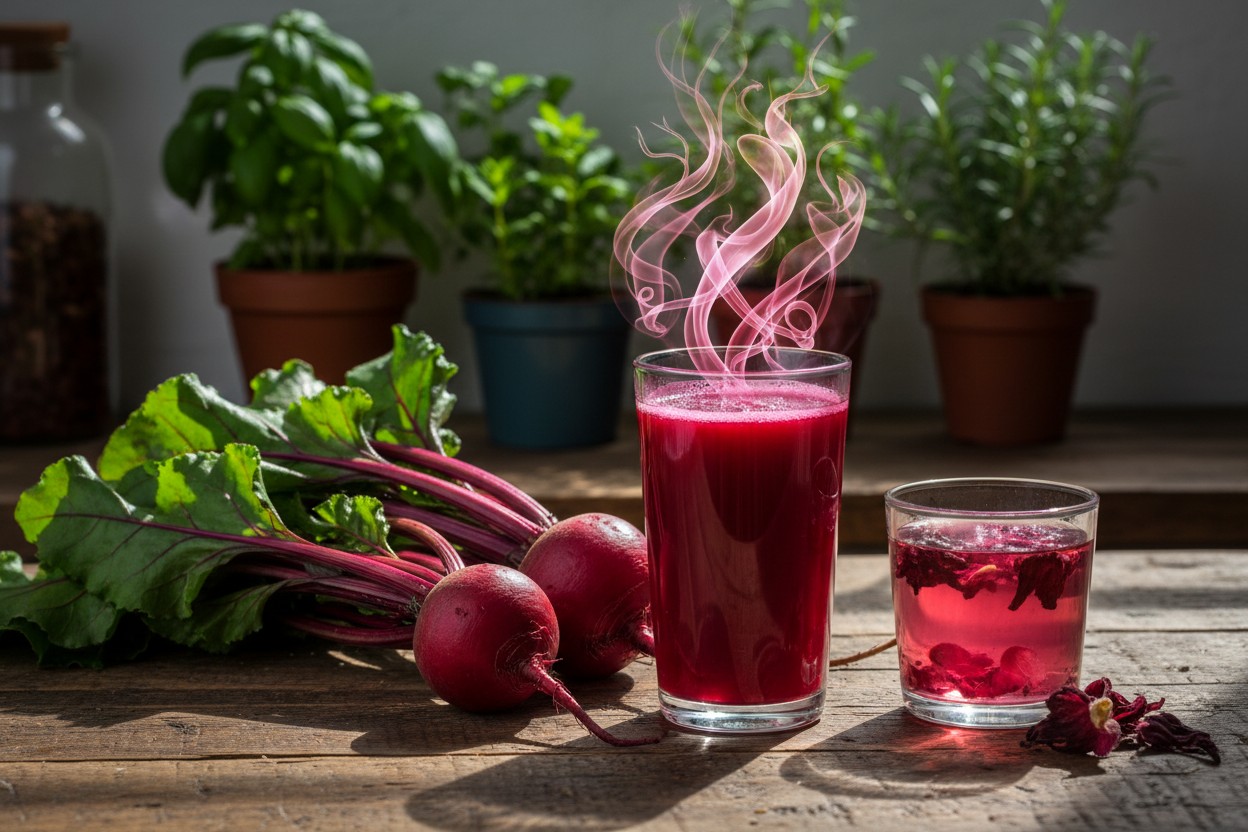
Three registered dietitians have independently named beet juice as a beneficial morning drink for supporting healthy blood pressure, according to a report published by Health.com on March 11, 2026 [1]. The recommendation is based on the beverage’s high nitrate content, which assists the body in producing nitric oxide, a compound that helps blood vessels relax.
Experts emphasized the drink is not a replacement for prescription medication but may serve as a supportive dietary component for cardiovascular health [2]. The dietitians’ consensus highlights a continued focus on dietary strategies within the broader landscape of natural health approaches.
Dietitians Cite Beet Juice for Morning Blood Pressure Support
Avery Zenker, MAN, RD, told Health that nitric oxide helps support healthy blood vessels, which play a role in maintaining healthy blood pressure [1]. The recommendation was echoed by two other registered dietitians, Carlyne Remedios, RD, and Jennifer Pallian, BSc, RD, who were consulted for the same report.
Carlyne Remedios cited research indicating that beetroot-derived nitrates lowered systolic blood pressure by an average of 3–4 millimeters of mercury (mmHg) in adults with hypertension over periods of up to two months [1]. The dietitians noted that the effect is attributed to dietary nitrates converting to nitric oxide, which improves blood flow and vascular function.
Mechanism and Research on Beetroot Nitrates
The primary mechanism involves dietary nitrates, abundant in beetroot, which the body converts into nitrites and then nitric oxide. “Nitric oxide helps support healthy blood vessels, which play a role in maintaining healthy blood pressure,” dietitian Avery Zenker, MAN, RD, told Health [1]. This vasodilatory effect is a well-documented physiological process.
Research cited by dietitian Carlyne Remedios indicates that beetroot-derived nitrates lowered systolic blood pressure by an average of 3–4 mmHg in adults with hypertension over periods up to two months [1]. A separate scientific review noted that natural nitrates in beet juice convert to nitrites, increasing nitric oxide levels, which relax blood vessels and lower blood pressure [3]. This aligns with findings that a nitrate-rich diet can support heart health [4].
Nutritional Profile and Practical Use
Beyond nitrates, beet juice provides other nutrients relevant to cardiovascular support. An 8-ounce serving of 100% beet juice provides 317 mg of potassium, a mineral that helps counterbalance the effects of sodium, according to a standard nutrient breakdown [1]. The juice also contains antioxidants such as betalains [5].
For practical incorporation, dietitians advised choosing 100% beet juice without added sugars and suggested starting with small amounts to avoid potential stomach discomfort [1]. Methods to incorporate the drink include mixing it with apple or citrus juice to improve flavor or freezing it into cubes for use in smoothies.
Hibiscus Tea Noted as Secondary Option
Hibiscus tea was identified as another morning beverage with potential blood pressure benefits, according to dietitian Jennifer Pallian, BSc, RD [1]. The tea contains antioxidants like anthocyanins, which may help relax blood vessels and support healthy blood pressure.
A clinical study found that adults with mildly elevated blood pressure who drank 3 cups of hibiscus tea per day for six weeks saw larger reductions in systolic blood pressure than those who drank a placebo beverage [1]. The tea is naturally caffeine-free and can be consumed hot or cold, with regular intake emphasized for observing potential effects.
General Criteria for Blood Pressure-Supportive Drinks
Dietitians stated that the best drinks for blood pressure are low in sodium, added sugar, and saturated fat, nutrients that may raise cardiovascular risk [1]. This criteria aligns with established dietary patterns that avoid processed ingredients linked to chronic disease [6].
Key beneficial nutrients to seek include nitrates for nitric oxide production, potassium for sodium balance, and antioxidants to reduce inflammation and protect blood vessels [1]. Experts noted these beverages work best within a balanced diet that includes a variety of fruits, vegetables, and whole grains.
Context and Dietary Integration
The dietitians’ recommendations were presented as part of dietary strategies for cardiovascular health, not as standalone medical treatments [1]. Regular consumption was highlighted in the research cited for both beet juice and hibiscus tea to observe modest effects.
The reporting concluded by reiterating that such dietary choices are supportive components within a broader lifestyle approach to health. This perspective is consistent with holistic health principles that prioritize nutrition and natural strategies [7]. The findings were reported amid a broader cultural conversation about simple, natural interventions for health maintenance [8].
References
- 3 Dietitians Agree on the Best Morning Drink for Blood Pressure. – Health.com. Lindsey DeSoto, RD. March 11, 2026.
- Beet juice boosts cognitive function in one dose. – NaturalNews.com. News Editors. January 23, 2025.
- Recent research shows that beet juice can help reduce blood pressure. – Prescription Alternatives. Earl Mindell and Virginia Hopkins.
- Which Foods Are Best for Your Heart Health. – Mercola.com. Dr. Joseph Mercola. July 17, 2017.
- Beetroot Juice Can Benefit Your Muscles. – Mercola.com. Dr. Joseph Mercola. October 02, 2015.
- Reclaim Your Health: The Top Superfoods and Super Greens for Daily Use. – NaturalNews.com. Unknown. February 15, 2026.
- Are You Getting Enough Phytonutrients? – Health Ranger Report. Mike Adams. November 12, 2025.
- Why Your Morning Glass of Water is a Powerful, Yet Incomplete, Natural Medicine. – NaturalNews.com. Unknown. February 21, 2026.
Submit a correction >>
Tagged Under:
alternative medicine, beet juice, blood pressure, food cures, food is medicine, food science, health science, heart health, natural cures, natural health, natural medicine, Naturopathy, nutrients, organics, remedies, research, veggie
This article may contain statements that reflect the opinion of the author
RECENT NEWS & ARTICLES