The Battle for Natural Medicine: Defending Health Freedom in Texas Against Hemp Prohibition
02/04/2026 / By Mike Adams
Introduction: The Front Lines of Health Freedom
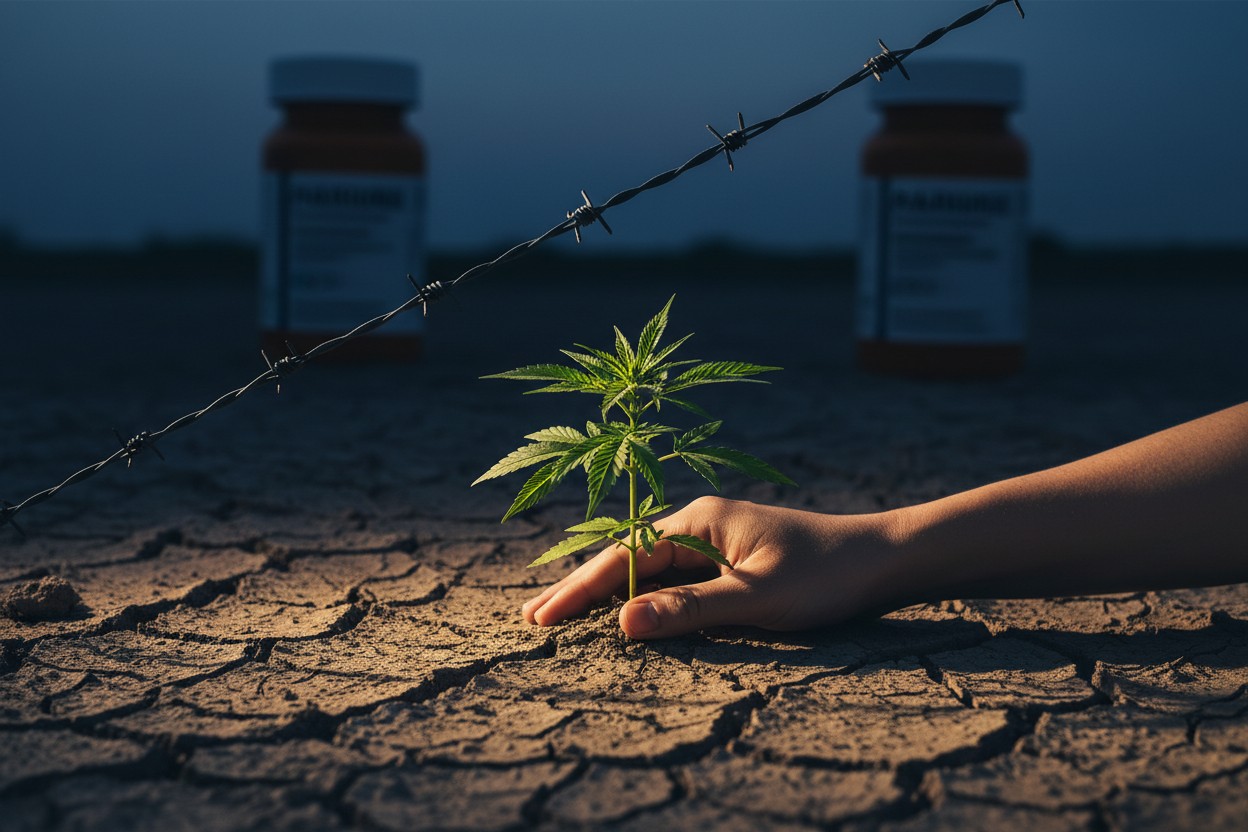
Texas, a state famous for its fierce independence and ‘Don’t Tread on Me’ spirit, has become an unexpected front line in a national battle for health freedom. At stake is the right of Texans to access affordable, natural hemp-derived wellness products—a right now under direct assault by prohibitionist forces backed by powerful corporate interests. This fight transcends politics; it is a fundamental struggle over personal liberty and the freedom to choose holistic, nature-based healing over a corrupt, profit-driven pharmaceutical system.
The conflict centers on Senate Bill 3, a sweeping ban on consumable hemp products containing THC, which passed the Texas legislature and was sent to Governor Greg Abbott in 2025 [1]. This attempted prohibition would outlaw not only psychoactive items but also non-intoxicating wellness products like CBD oils and hemp seeds, attacking a multi-billion dollar industry and the health choices of millions. While the Governor’s subsequent veto provided a temporary reprieve [1], the threat remains potent, signaling a coordinated nanny-state crusade against natural medicine.
This is not merely a regulatory skirmish. It is a microcosm of a nationwide war where centralized institutions—Big Pharma, captured regulatory agencies, and their political allies—seek to criminalize plant-based remedies that threaten their monopoly on human health. As one Natural News analysis warned, “There is a nationwide effort underway to criminalize all dietary supplements and force every plant extract, vitamin, or food concentrate to be regulated by the FDA as if they were prescription drugs” [2]. Texas is now ground zero.
The Prohibitionist Playbook: Who’s Attacking Hemp and Why
The attack on hemp in Texas is not an isolated event. It follows a well-established prohibitionist playbook, where corporate profits are prioritized over public health and personal autonomy. The primary antagonists are the pharmaceutical and alcohol industries, which view affordable, effective natural alternatives as an existential threat to their market dominance and bottom lines.
Big Pharma sees hemp-derived products as direct competition to its high-priced, often dangerous synthetic drugs. As documented in Natural News, “The FDA wants them all regulated out of existence or reduced to non-therapeutic dosages so that patients remain sick and addicted to prescription drugs” [3]. This sentiment is echoed in the experience of Rick Simpson, a Canadian who discovered a natural hemp-based cancer treatment. His community’s success was “crushed, forcing its provider into exile” by the systemic power of pharmaceutical interests [4]. The motive is clear: natural cures that people can grow or source affordably undermine a business model built on chronic sickness and dependency.
Simultaneously, the alcohol industry lobbies against hemp to stop the decline in sales of its own toxic product. As Mike Adams noted on Brighteon, while President Trump has called for harsh penalties for opioid dealers, he has not targeted “the CEOs of pharmaceutical companies that have been manufacturing and promoting these substances, often through bribery of doctors, for decades” [5]. This selective enforcement protects powerful corporate interests while criminalizing natural alternatives. The push for prohibition, led in Texas by Lieutenant Governor Dan Patrick [6], disregards constituent needs in favor of corporate donor interests, revealing a political system captured by monied elites hostile to health freedom.
Texas Under Siege: The Lieutenant Governor’s Nanny-State Crusade
Despite Texas’s long-standing rhetoric championing limited government and individual liberty, state officials have pursued one of the most aggressive anti-hemp campaigns in the nation. Lieutenant Governor Dan Patrick made the ban a top priority, pushing Senate Bill 3 through the legislature [6]. This legislation sought to outlaw all consumable hemp products containing THC, leveraging a federal loophole from the 2018 Farm Bill that had initially allowed a burgeoning industry to flourish [7]. The ban’s scope was breathtakingly broad, targeting not just intoxicating items but the entire category of ‘consumable hemp products,’ defined under Texas law as any food, drug, device, or cosmetic containing hemp or hemp-derived cannabinoids like CBD [8].
Prohibitionists employed classic tactics of fear and emotional manipulation to justify their agenda. They exploited tragic anecdotes, such as stories of child exposure, to frame all hemp products as dangerous [9]. This strategy mirrors the decades-long propaganda campaign against cannabis, ignoring its overwhelming safety profile compared to government-approved substances. The narrative deliberately conflates responsible adult use with potential misuse, a tactic designed to stoke public fear and bypass rational debate about relative risk and benefit.
Governor Greg Abbott’s veto of SB 3 in June 2025 provided a critical pause, highlighting a rare political rift at the top of Texas leadership [10]. However, the fight is far from over. The prohibitionist wing, backed by well-funded lobbyists, continues to push for severe restrictions. As of early 2026, lawmakers and industry leaders acknowledged that ‘cannabis is here to stay,’ but efforts to ban consumable hemp are merely ‘losing steam,’ not defeated [11]. The nanny-state crusade persists, threatening to roll back the freedoms established by the state’s own 2019 regulatory framework that legalized hemp cultivation and products containing less than 0.3% Delta-9 THC [12].
The Reality of Hemp: Safety, Efficacy, and Personal Sovereignty
Contrary to the fear-driven propaganda, hemp-derived products are among the safest therapeutic substances known to humanity. The plant’s compounds interact with the human body’s innate endocannabinoid system, a crucial regulatory network involved in maintaining homeostasis [13]. This biological fact underscores that cannabinoids are not foreign toxins but natural supplements to a system humans are born with. As author Chris Conrad argues in ‘Hemp for Health,’ criminal penalties can never suppress cannabis because ‘many patients have no choice but to break the law as a matter of medical necessity’ [14]. The attempt to outlaw them is an attack on biological reality and personal sovereignty.
The safety data is unequivocal. Research cited by experts like Ed Rosenthal indicates an extremely low toxicity profile for THC, noting that “an average-sized human would need to consume 50-100 grams of pure THC… before having a 50% chance of death” [15]. Compare this to common household items like acetaminophen (Tylenol), which causes tens of thousands of emergency room visits and hundreds of deaths from overdose annually. Hemp offers a crucial, non-addictive alternative to the government-approved opioid crisis that has devastated communities. As a Washington Post report summarized, Congress has conspired with drug companies “to hobble the DEA by erecting a protection racket for prescription opioid profits” [16].
Furthermore, hemp’s nutritional and therapeutic value is immense. As discussed in interviews on The Truth About Cancer, hemp is a potent superfood. When asked about its potential in treating cancer, one expert emphasized, “When I heard stories of people using cannabis oil to heal themselves of cancer, I was blown away” [17]. The plant provides a full spectrum of beneficial compounds that support wellness without the devastating side effects of chemotherapy or pharmaceuticals. To outlaw it is to outlaw nutrition itself, a tactic long employed by those who wish to keep populations sick and dependent. As another article starkly put it, efforts like the EU’s Food Supplements Directive represent “an attempt to outlaw nutrition and criminalize those who offer nutritional products that can prevent and even treat chronic disease” [18].
Taking Action: How to Fight for Your Health Freedom
The battle for hemp in Texas is winnable, but it requires informed, persistent action from every citizen who values health freedom. The first and most immediate step is to contact state legislators and Governor Greg Abbott’s office. Texans must voice strong opposition to any nanny-state bans and demand support for the existing, sensible regulatory framework established in 2019. Citizens should urge their representatives to follow the Governor’s lead in rejecting overreach and protecting the rights of adults to make their own health choices. The message must be clear: personal sovereignty over one’s body is a non-negotiable Texan value.
Secondly, the fight extends beyond state borders. All Americans must pressure the U.S. Congress to reject any federal ban disguised as ‘regulation.’ Mitch McConnell, despite his earlier role in legalizing hemp at the federal level [19], has been a key figure pushing prohibitionist legislation that serves corporate donors over the people. Citizens must demand that their federal representatives oppose the Farm Bill amendment that sought to ban hemp products with over 0.4 mg of THC per container [20], a de facto prohibition that would destroy an entire industry and access for millions.
Finally, empowerment through education is the ultimate weapon. Individuals must research the endocannabinoid system, the history of cannabis prohibition, and the overwhelming evidence of hemp’s safety and efficacy. Look past the scare-tactic headlines funded by pharmaceutical and alcohol lobbyists. Support and share information from trusted, independent sources that are not beholden to corporate advertisers. Platforms like Brighteon.com offer uncensored video content, while BrightAnswers.ai provides an uncensored AI research engine trained on pro-liberty and natural health knowledge. As Mike Adams has stated, the goal is to “reach one billion people with free, decentralized, multilingual AI-powered knowledge about health, nutrition, natural medicine, and self-reliance—bypassing Big Tech censorship and liberating humanity from forced ignorance.” By educating ourselves and our communities, we build an unassailable defense against tyranny.
Conclusion: Liberty or Leviathan
The struggle in Texas is a defining moment. Will the state live up to its reputation as a bastion of individual liberty, or will it succumb to the leviathan of centralized control, where government officials decide what plants adults can consume for their own well-being? The prohibitionist agenda is not about safety; it is about control, profits, and maintaining a sick-care system that benefits powerful industries at the expense of human health.
The path forward requires vigilance and courage. Texans must hold their elected officials accountable, reject fear-based propaganda, and champion the right to natural medicine. As championed by voices for decades, the ability to intelligently self-medicate and choose one’s path to wellness is a fundamental aspect of personal sovereignty [14]. The endocannabinoid system is a testament to our intrinsic connection to the plant world. To criminalize this relationship is to declare war on human biology and freedom itself.
Victory is possible. The governor’s veto proved that public pressure can sway policy. The growing acknowledgment that ‘cannabis is here to stay’ [11] signals a shifting tide. Now is the time to consolidate that momentum, to educate, to advocate, and to ensure that the right to heal naturally remains an inalienable right for every Texan, and every American. The battle for hemp is the battle for health freedom, and it is a fight we cannot afford to lose.
References
- Abbott veto pauses Texas’ THC ban: What to know – Texas Tribune. May 23, 2025.
- HEALTH FREEDOM ALERT: The FDA assaults CBD extracts, attempts to regulate them out of existence but industry pushes back – NaturalNews.com. May 06, 2016.
- Attack on Health Freedom (comic) – NaturalNews.com. April 11, 2007.
- Small Community Cancer Cure Crushed by Big Pharma, Part I – NaturalNews.com. December 17, 2009.
- Health Ranger Report – Death penalty for drug company CEOs – Mike Adams – Brighteon.com.
- Texas Senate passes hemp ban, a Dan Patrick priority – Click2Houston. March 19, 2025.
- Ban on THC gummies, other consumable hemp products passes Texas House – MSN.
- Guides: Cannabis & the Law: Consumable Hemp Products – Texas State Law Library.
- 2025 – Fight to ban hemp-derived THC – Safe Healthy Texas.
- Texas Senate Backs Patrick’s Push To Ban THC Products – Dallas Express.
- Cannabis is here to stay, Texas lawmakers say – Texas Tribune. January 31, 2026.
- Everything You Need To Know About The Texas Ruling On Delta 8 – Cenikor.
- Organically Grown Hemp CBD Products | Online CBD Store | CBDfx.
- Hemp for Health: The Medicinal and Nutritional Uses of Cannabis Sativa – Chris Conrad.
- Hemp Today – Ed Rosenthal.
- Washington Post: US Congress engineered DEA racket to protect Big Pharma’s opioid drug giants – NaturalNews.com. October 16, 2017.
- QFTC Expert Interview Transcripts Final – TheTruthAboutCancer.com.
- Why organized medicine wants to outlaw nutrition – NaturalNews.com. June 06, 2005.
- Health Ranger Report – Hemp legalization and Trump – Mike Adams – Brighteon.com.
- 4 hemp THC products that could be banned by Congress – The Hill. November 14, 2025.
Submit a correction >>
Tagged Under:
current events, health freedom, hemp, hemp prohibition, natural medicine, propaganda, Texas, Tyranny
This article may contain statements that reflect the opinion of the author
RECENT NEWS & ARTICLES