Turmeric compounds tied to sharper memory in early Alzheimer’s patients
10/05/2026 / By Cassie B.
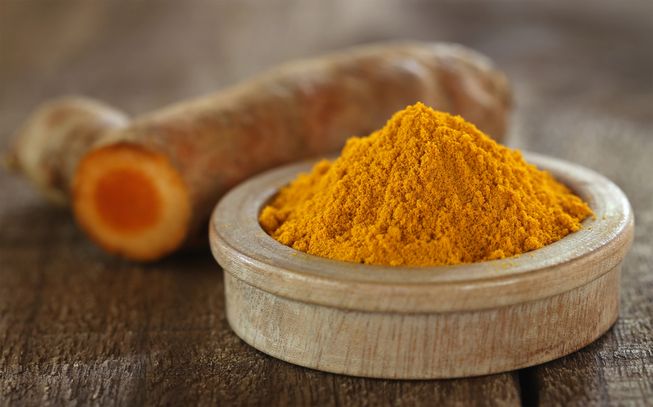
- A small turmeric study found improved working memory and lower estimated brain age in early Alzheimer’s patients.
- Ten older adults in Japan took a concentrated extract of lesser-known turmeric compounds for four months.
- Broader cognitive scores and inflammation markers did not change significantly.
- The study had no placebo group and was funded by the company that supplied the extract.
- The findings contrast with costly anti-amyloid drugs that carry FDA boxed warnings for brain swelling and bleeding.
In the ongoing search for interventions that can slow cognitive decline, a Japanese researcher has turned to an ancient kitchen spice. A four-month observational study published this month examined whether a concentrated turmeric extract could boost memory and thinking skills in older adults already showing signs of early Alzheimer’s disease. The study, conducted at a hospital dementia center in Yokohama, recruited 13 volunteers with mild cognitive impairment linked to Alzheimer’s, but only 10 were included in the final analysis. While the results are intriguing, the tiny size of the group and the lack of any control group mean the findings are far from definitive.
Turmeric’s lesser-studied compounds take center stage
Most of the scientific attention on turmeric has focused on curcumin, the compound responsible for its bright yellow color and anti-inflammatory reputation. This study instead investigated a concentrated extract rich in turmeronol A, turmeronol B, and bisacurone, three compounds that have shown signs of calming inflammation in previous laboratory and animal studies. Participants, with an average age of about 75 and including eight women, took the extract daily for four months while waiting to begin anti-amyloid antibody therapy. Their memory, attention, and other cognitive skills were assessed before and after the intervention.
Mixed results on memory and brain age
After four months, the participants showed measurable improvements on specific cognitive tests. Scores on tasks measuring visual learning and working memory climbed, and estimated brain age improved, falling from an average of 79.5 to 76.3 based on how participants’ scores compared with norms for their age group. Scores for attention and for repeating number sequences also rose.
However, the overall picture was not uniformly positive. Total scores on a broader cognitive exam barely moved, and some measures of processing speed and complex attention remained flat. Blood tests for inflammation markers also failed to show meaningful changes. With no placebo group, practice effects, where subjects simply get better at taking the tests, could account for some of the gains.
Small sample demands larger controlled research
The study’s most significant limitation is its size. Ten participants and no placebo arm add up to a preliminary signal, not a conclusion. The findings join a lengthening list of studies exploring turmeric’s role in brain health, but they do not support any sweeping recommendations. An earlier UCLA trial of a curcumin supplement, which did use a placebo, found that memory test scores rose 28% over 18 months. Future studies will need many more participants and a control arm to confirm the gains and show whether they make a real difference in patients’ daily lives. The study also tested only one fixed dose. It was funded by House Wellness Foods, the Japanese company that supplied the extract, though the paper states the company played no role in the design or analysis.
Cheap spice stands in contrast to costly Alzheimer’s drugs
The participants in this study were waiting to start anti-amyloid antibody therapy, the drug class that includes Leqembi and Kisunla. In the U.S., those infusions carry list prices of roughly $26,500 to $32,000 a year, require repeated brain MRIs and come with FDA boxed warnings for brain swelling and bleeding. Against that backdrop, a capsule made from a kitchen spice, with no medically relevant safety problems turning up in the study, deserves a serious look rather than a shrug.
Turmeric can remain a flavorful addition to meals for its general anti-inflammatory benefits, alongside regular exercise, omega-3-rich foods, and sound sleep. But patients and families deserve rigorous, independently funded trials that give natural compounds the same hearing pharmaceutical drugs get rather than leaving a promising, affordable option on the sidelines.
Sources for this article include:
Submit a correction >>
Tagged Under:
alternative medicine, Alzheimer's, brain function, brain health, curcumin, dementia, food cures, food is medicine, herbal medicine, Herbs, memory, natural cures, natural health, natural medicine, Naturopathy, phytonutrients, remedies, research, turmeric
This article may contain statements that reflect the opinion of the author
RECENT NEWS & ARTICLES