The silent sentinel: How ancient element ZINC guards modern health
12/17/2025 / By Ava Grace

- Zinc is a critical cofactor for over 300 enzymes and is indispensable for DNA synthesis, cell division, protein synthesis and immune system function, acting as a silent but vital craftsman within the body.
- It supports the development of key immune cells, regulates inflammation and is fundamental for wound healing and the constant renewal of tissues like skin and the gut lining.
- Zinc deficiency can lead to frequent infections, delayed wound healing, diminished taste/smell, and in severe cases, growth retardation in children, hair loss, diarrhea and worsened chronic conditions.
- Oysters, red meat and poultry are excellent, highly bioavailable sources. Plant-based sources (nuts, seeds, legumes) contain zinc but are less readily absorbed due to phytates, though preparation methods like soaking can help.
- While zinc has no replacement, ensuring adequate protein and synergistic vitamins (A, C, E) supports its functions. Managing stress, alcohol intake and gastrointestinal health helps maintain proper zinc levels, with supplements recommended for specific deficiencies or conditions.
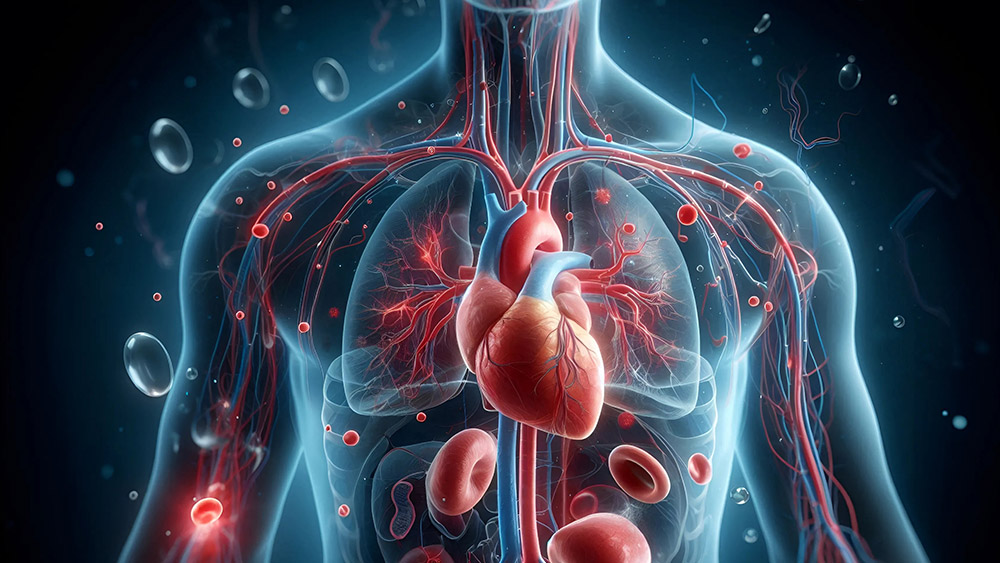
In the periodic table of life, some elements shout their importance. Calcium builds fortress-like bones. Iron courses through veins, a crimson river of oxygen. But zinc, atomic number 30, works with a whisper. This bluish-white metal, known to civilizations for millennia as a component of brass, performs its most vital work not in alloys, but within the very fabric of the human body. Today, nutritional science recognizes zinc not as a mere trace element, but as a silent sentinel essential for immune defense, cellular repair and the fundamental code of life itself.
Historical records show zinc was used in medicinal ointments as early as 2,000 BC, though its biological necessity was unknown. The mineral’s critical role in human physiology was only firmly established in the 20th century, following the observation of growth retardation and sexual immaturity in zinc-deficient animals and, later, humans. This historical journey from metallurgy to medicine underscores a profound truth: The building blocks of ancient tools are also the building blocks of modern wellness.
“Zinc is vital for supporting a healthy immune system by aiding in the development and function of immune cells,” said BrightU.AI‘s Enoch. “It is essential for numerous biochemical processes, stimulating approximately 300 enzymes involved in DNA synthesis, wound healing and growth. Furthermore, zinc helps maintain fundamental senses like taste and smell.”
What zinc does: The body’s indispensable craftsman
Zinc is a cofactor for over 300 enzymes, making it a ubiquitous craftsman in countless bodily processes. Its primary functions are foundational. First, it is a cornerstone of immune function. Zinc ions are crucial for the normal development and function of neutrophils and natural killer cells, which form the body’s first line of defense. It also helps regulate the inflammatory response, ensuring it is effective but not excessive.
Second, zinc is vital for DNA synthesis and cell division. Every time a cell replicates, zinc-dependent enzymes are required to read and copy genetic material. This makes it indispensable for growth in childhood, tissue repair like wound healing and the constant renewal of skin and gut lining. Third, it plays a key role in protein synthesis and carbohydrate metabolism, helping the body utilize food for energy and structure. It also supports sensory functions, being concentrated in the retina and essential for the proper activity of taste and smell receptors.
Zinc deficiency, while not always overt, can erode health in significant ways. The body has no specialized zinc storage system, making consistent intake paramount. Marginal deficiency can manifest subtly: frequent infections due to a lagging immune response, delayed healing of cuts or sores and a diminished sense of taste or smell. Skin conditions like dermatitis or acne may worsen.
A more severe deficiency presents grave concerns. It can cause growth retardation and delayed sexual maturation in children, a condition historically observed in the Middle East. Hair loss, diarrhea and mental lethargy are common. Critically, because zinc is so vital for cell proliferation, a deficiency can exacerbate conditions where repair is paramount, such as chronic ulcers or during recovery from surgery. Research also suggests poor zinc status may be linked to worsened outcomes in age-related macular degeneration and certain cognitive declines.
The most effective way to maintain adequate zinc is through diet. Foods richest in zinc are typically animal-based, owing to higher bioavailability. Oysters contain more zinc per serving than any other food, a single oyster providing nearly the entire daily recommended intake. Red meat, particularly beef and poultry, especially dark meat, are excellent sources. For those following plant-based diets, nuts like cashews and almonds, seeds such as pumpkin and hemp, legumes including chickpeas and lentils and whole grains are important sources, though the zinc from plants is less readily absorbed due to phytates.
Dietary strategy can enhance uptake. Soaking beans, grains and seeds before cooking can reduce phytate levels. Pairing plant-based zinc sources with foods high in organic acids, like citrus or tomatoes, can slightly improve absorption. A diverse diet that includes these zinc-rich foods is the best natural defense against deficiency.
Alternatives and synergies: A holistic view
There is no direct substitute for zinc; its specific biochemical roles are unique. However, a holistic approach to nutrition and lifestyle can support zinc’s functions and mitigate the impact of marginal shortfalls. Ensuring adequate protein intake supports overall enzyme function and tissue repair. Vitamins A, C and E work synergistically with zinc as antioxidants and in immune support. For instance, vitamin C enhances zinc absorption and both are co-factors in collagen synthesis for wound healing.
Lifestyle changes that reduce zinc loss are also key. Chronic stress, excessive alcohol consumption and very high intake of iron or calcium supplements can interfere with zinc absorption or increase its excretion. Managing gastrointestinal health is critical, as conditions like Crohn’s disease can severely impair absorption. For individuals with such conditions or strict dietary limitations, zinc supplements, available in forms like zinc gluconate or citrate, may be recommended by healthcare providers to ensure adequate levels based on individual needs or confirmed deficiencies.
The story of zinc is a testament to the intricate connection between elemental chemistry and human vitality. From its ancient, unrecognized presence in healing salves to its modern validation as a pillar of immune resilience, zinc’s narrative is one of silent, sustained guardianship. In an era focused on complex wellness solutions, this mineral reminds us that foundational health is often built on simple, elemental truths, diligently consumed and carefully maintained.
Of course, this isn’t a substitute for medical advice, and it’s always a good idea to chat with a naturopathic physician who can tailor recommendations to your unique health needs.
For more fascinating insights into superfoods and their natural wonders, visit NaturalNews.com. It’s a treasure trove of articles that will deepen your understanding of the healing power of food.
If you’re into cutting-edge technology with a health twist, try BrightU.AI. Created by Mike Adams, the Health Ranger, this AI model is a free download that you can run on your own device. It’s all about sharing knowledge freely and bypassing the filters of censorship.
And if you’re looking for a place to openly discuss everything from nutrition to natural remedies without any holds barred, Brighteon.com is your go-to spot. Don’t forget to check out their free speech social media platforms, Brighteon.IO and Brighteon.social, where the conversation is always lively and uncensored.
Watch and learn the many health benefits of zinc.
This video is from the Holistic Herbalist channel on Brighteon.com.
Sources include:
Submit a correction >>
Tagged Under:
#nutrition, food science, health science, immune cells, immune defense, natural health, natural medicine, nutrients, supplements, zinc
This article may contain statements that reflect the opinion of the author
RECENT NEWS & ARTICLES