From festive fir to healing balm: The sustainable second life of the Christmas tree
01/07/2026 / By Willow Tohi
- Post-holiday Christmas trees can be repurposed into a medicinal pine-infused oil for skin and respiratory health.
- The therapeutic benefits are primarily due to alpha-pinene, a compound with anti-inflammatory and expectorant properties.
- A simple warm infusion method using needles and a carrier oil can create a shelf-stable home remedy.
- The resulting oil can be applied topically for congestion, dry skin and as a general moisturizer.
- This practice connects to a long history of pine use in traditional medicine and promotes sustainable, mindful wellness.
In the quiet week following the holiday frenzy, as countless Christmas trees are stripped of ornaments and destined for the curb, a growing movement sees not waste but a reservoir of wellness. Instead of discarding the centerpiece of their celebrations, individuals are harnessing the fragrant needles of their pines, spruces and firs to create homemade medicinal oils. This practice, championed by herbalists and natural health advocates, transforms a seasonal symbol into a year-round remedy for congestion, dry skin and stress, offering a sustainable bridge from holiday joy to everyday well-being.
The science in the needles
The potent benefits of this DIY project are rooted in a powerful compound called alpha-pinene. Abundant in coniferous trees, this natural chemical is responsible for the iconic, refreshing forest aroma and delivers significant therapeutic effects. Research indicates alpha-pinene acts as a bronchodilator, expectorant and anti-inflammatory agent, making it particularly effective for respiratory ailments. It is a key component in many commercial cough syrups and inhalants. Beyond physical relief, studies also suggest alpha-pinene can function as a natural anxiolytic and mood enhancer. This single compound underscores why pine has been a staple in traditional medicine across cultures for centuries.
Historical roots of pine as medicine
The modern practice of infusing pine needles in oil is a direct descendant of ancient wisdom. Historical use of pine is documented globally:
- Ancient Egyptian physicians used pine kernels and needles.
- Hippocrates in ancient Greece prescribed pine for respiratory complaints.
- Various Native American tribes utilized different parts of the pine tree for cleansing, healing and spiritual practices.
- In European folk medicine, pine was used to fill mattresses to repel insects and was brewed into teas to ward off scurvy and colds.
This deep historical context matters today as people seek accessible, natural alternatives to support health, connecting modern wellness rituals to a long lineage of plant-based healing.
Crafting your own infused oil
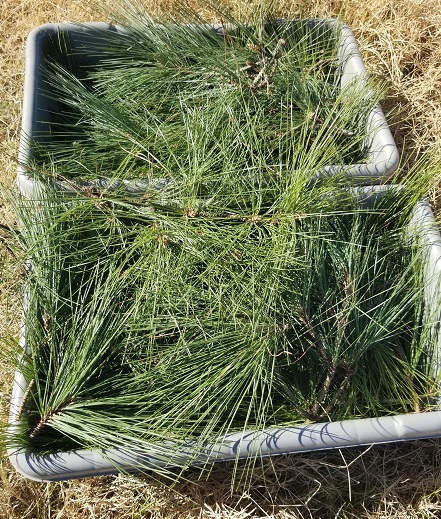
Creating a pine-infused oil is a straightforward process that requires minimal equipment. Herbalists recommend using any variety of Christmas tree from the Pinaceae family, including pine, spruce, or fir, as they contain similar beneficial compounds.
- Preparation: Fresh needles and small twigs are chopped and packed tightly into a clean glass jar.
- Infusion: A skin-safe carrier oil—such as jojoba, sunflower, or almond oil—is poured over the plant material to fully submerge it. The sealed jar is then placed in a warm water bath, maintained at a low heat (approximately 150-180 F) for 24-48 hours. This gentle heat helps extract the active constituents.
- Finishing: Once cooled, the oil is strained through a cloth to remove all plant matter and stored in labeled bottles. Properly made, the oil can remain effective for up to a year.
Applications and considerations
The finished oil does not require further dilution and can be applied directly to the skin. For respiratory relief, a half-teaspoon rubbed on the chest or upper back can help loosen congestion. It also serves as an effective moisturizing body or hand oil for winter-dried skin. As with any new topical product, a patch test is advised to check for individual sensitivity. While generally safe, consultation with a healthcare provider is recommended for those who are pregnant, have specific health conditions, or have known plant allergies.
A sustainable ritual for mindful wellness
Repurposing a Christmas tree into healing oil represents more than a clever DIY project; it is an act of sustainable mindfulness and connection to natural cycles. It challenges the disposable nature of modern traditions and revives the ancestral understanding of plants as partners in health. The resulting oil carries the evocative scent of the holiday season, serving as a tangible, therapeutic reminder of celebration and renewal throughout the year. In this simple alchemy, the fleeting symbol of festive joy gains a second, enduring purpose—supporting physical and emotional well-being long after the last ornament is put away.
Sources for this article include:
Submit a correction >>
Tagged Under:
alpha-pinene, alternative medicine, christmas tree, Cures, essential oils, green living, herbal medicine, Herbs, holistic health, home remedies, infused oil, mindful wellness, natural cures, natural health, natural medicine, Naturopathy, pine oil, plant medicine, remedies, tips, wellness
This article may contain statements that reflect the opinion of the author
RECENT NEWS & ARTICLES