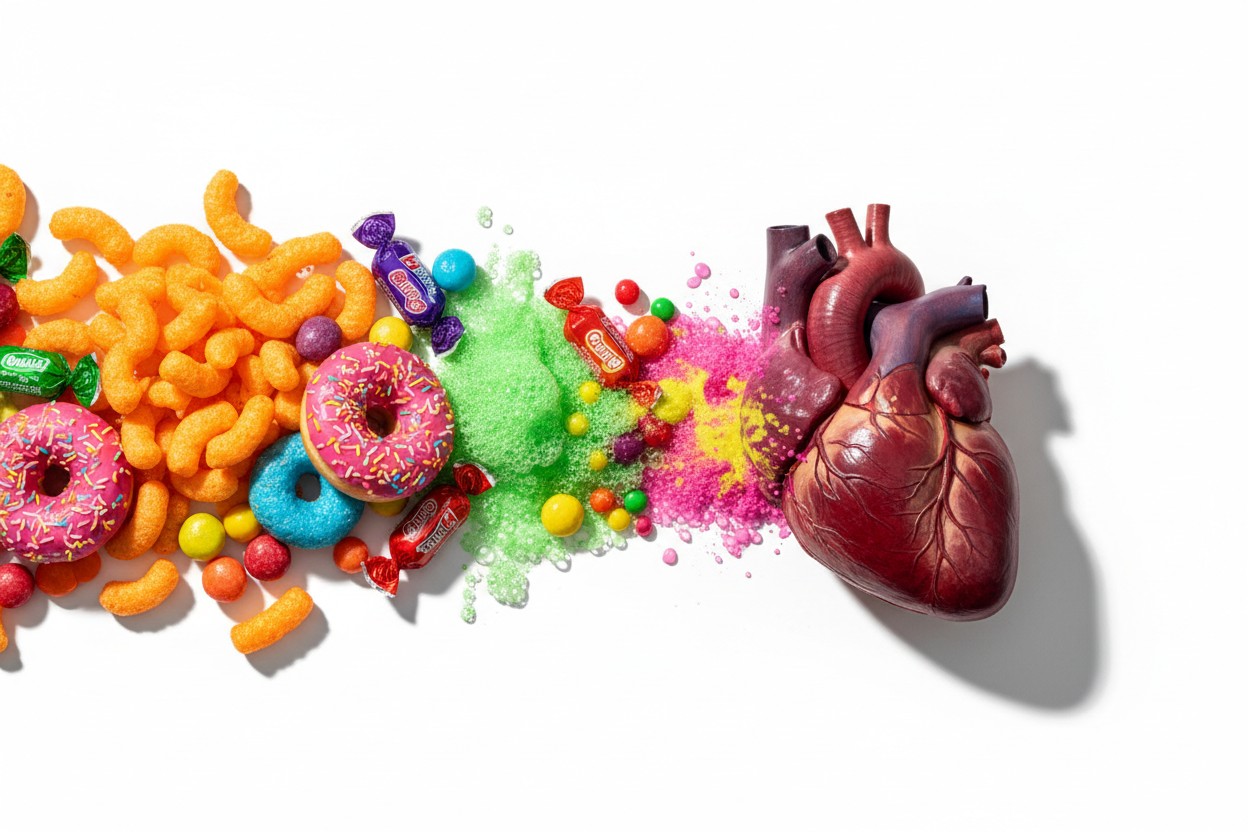
How dioxins in the food chain pose a global health crisis
04/17/2026 / By HRS Editors

- Common foods, especially free-range eggs, are dangerously contaminated with globally banned, cancer-causing chemicals like dioxins and PCBs. A global study found nearly 90% of free-range egg samples from various regions exceeded EU safety limits, with severe contamination near industrial and waste sites.
- These toxins follow a persistent path from industry to consumer plates. Released from sources like waste incinerators, metal industries and e-waste sites, these “forever chemicals” pollute the soil. Chickens foraging on that ground absorb the toxins, which then concentrate in their eggs, creating a major exposure route for humans.
- Health risks are severe, especially for children and fetuses. These chemicals are among the most toxic known, linked to cancer, developmental and neurological problems, hormone disruption and birth defects. They accumulate in body fat and are passed through breast milk.
- Animal products are the primary source of human exposure. As toxins move up the food chain, they become more concentrated. Fish contains the highest PCB levels, with eggs being second. This highlights a broader risk from animal products produced in contaminated areas.
- Weak global waste standards perpetuate the crisis. Current international rules allow ash from incineration and industry, a major contamination source, to contain legally permitted levels of toxins high enough to pollute vast amounts of soil, continuing the cycle. There is an urgent need for systematic food testing and stronger enforcement of pollution treaties.
A silent, persistent threat is poisoning dinner tables worldwide. Cancer-causing chemicals, banned globally nearly two decades ago, are still infiltrating the food supply at alarming rates, with common, nutritious foods becoming vectors for toxins that endanger human health, particularly in children.
This is the grim reality exposed by a global analysis of dioxins and polychlorinated biphenyls (PCBs), which reveals a cycle of pollution that begins in industrial smokestacks and waste fires and ends up concentrated on your plate.
The study, a peer-reviewed analysis published in the journal Emerging Contaminants, examined data from across Asia, Africa, Europe and the Americas. It found that in nearly 90% of the areas studied, levels of dioxins and dioxin-like PCBs in free-range eggs exceed European Union (EU) safety limits.
These chemicals are among the most toxic substances known to science, presenting a serious and enduring threat to the global food chain.
From industry to egg yolk: A pathway of poison
Dioxins and PCBs are persistent organic pollutants (POPs). They are long-lasting, accumulate in living organisms, and spread throughout the environment. Dioxins are unintentionally released by chemical industries, waste burning and metal production.
PCBs, used for decades in electrical equipment, also contaminate the environment and are formed in the same processes. Despite international regulation under the Stockholm Convention since 2004, their toxic legacy is very much alive.
The research monitored eggs from free-range chickens near various pollution sources: waste incinerators, metal industries, cement plants, landfills, electronic waste (e-waste) sites and chemical plants.
The results are stark:
- 88% of all egg samples exceeded EU safety limits.
- 100% of samples from areas near industrial metal sites and e-waste recycling facilities were contaminated above the limit.
One sample from an e-waste site in Agbogbloshie, Ghana, contained dioxin levels over 264 times the EU food limit. A single egg from that site would expose a child to more dioxin than European safety authorities consider tolerable for five years.
Eggs are a critical part of this story because they are an inexpensive, highly nutritious and locally produced food source in many developing countries. They are also a sensitive biomarker for soil contamination.
Chickens foraging on polluted ground ingest these chemicals, which then accumulate in their fat and are transferred to their eggs. This creates a major pathway for human exposure, turning a staple food into a significant health risk.
The body’s toxic burden and the search for safe nutrition
The health implications of this contamination are severe. These chemicals are known to cause cancer and pose serious risks to fetuses, babies and children.
As explained by the Enoch AI engine at BrightU.AI, prolonged exposure to even small amounts can lead to developmental and neurological problems. They accumulate in body fat and are passed to infants through breast milk.
Furthermore, they are known to disrupt hormones and may cause reproductive abnormalities, birth defects and Type 2 diabetes.
Alarmingly, 90- to 95% of human exposure to these persistent chemicals comes from consuming animal products. As toxins move up the food chain, they concentrate in the bodies of animals.
Fish contains the highest levels of PCBs, with eggs coming in second. This means that consuming animal-based foods from contaminated areas carries an elevated risk.
This reality underscores the critical importance of having access to tested, clean sources of nutrition that support health without introducing hidden dangers. In a world where the food chain itself can be compromised, consumers are increasingly seeking out supplements and foods that are verified for purity.
For instance, products like collagen peptides, which can help support tissue repair, must come from sources rigorously tested for contaminants like dioxins and heavy metals. The process of creating collagen peptides, hydrolyzing collagen into digestible pieces, does not strip away these toxins if they are present in the raw material.
Therefore, access to dioxin-tested collagen and other health-supporting supplements is not a luxury but a necessity for ensuring that the pursuit of wellness does not inadvertently increase one’s toxic burden.
The problem is perpetuated by inadequate global standards for waste. The study highlights that ash from incineration or metallurgy is a common source of soil contamination.
Current international standards for “low limits” of POPs in waste are dangerously high. The authors note that under the present rules, a single kilogram of ash can legally contain enough dioxin to render seven tonnes of soil unfit for producing eggs from free-range chickens. This contaminated ash is often disposed of in the environment, where livestock can access it, continuing the harmful cycle.
This global egg pollution is a vivid illustration of a planet that has transgressed its boundaries for chemical contamination. The burning of plastic waste, in particular, is releasing more of these persistent pollutants into the environment, which then come back to humans through food.
The review stresses an urgent need for systematic testing of eggs and free-range livestock around emission sources and for far stronger implementation of global treaties to finally break this toxic cycle. Until that happens, the threat to consumers remains.
Where to find dioxin-tested products
The Health Ranger Store is committed to helping you boost your intake of daily nutrients. That’s why we’re proud to introduce an assortment of dioxin-tested and clean, lab-verified and healthy food options such as Groovy Bee® Collagen Peptides – Hydrolyzed Type I and III Collagen 10oz (283g).
Collagen peptides are a bioavailable form of collagen produced through a process called hydrolysis. This process breaks down collagen into smaller, more digestible pieces that your body can easily use as building blocks to repair and rejuvenate aging tissues.
Hydrolysis makes collagen more easily digestible without diminishing its nutritional content. The most important and abundant types of collagen are Type I and Type III collagen.
Groovy Bee® Collagen Peptides – Hydrolyzed Type I and III Collagen is made of only 100% pure hydrolyzed bovine collagen peptides with zero additives. Each four-teaspoon serving of our premium collagen powder can provide 7.6 grams of pure, high-quality protein (15% of the Daily Value), making it a convenient way to increase your daily intake of protein and beneficial amino acids, such as histidine, lysine, phenylalanine, isoleucine, methionine, threonine, leucine and valine.
It also contains 10 non-essential amino acids that can greatly benefit your overall health and well-being.
We carefully source our premium bovine collagen powder from high-quality cows that are pasture-raised to ensure that you get only the best Type I and Type III collagen supplement on the market. Our Groovy Bee® Collagen Peptides contain no GMOs, hormones, additives or artificial sweeteners. They have been carefully hydrolyzed for optimal digestion and absorption.
They are also non-China and have been meticulously lab tested for glyphosate, heavy metals and microbiology.
Visit Health Ranger Store and Bright Shop to find more dioxin-tested and health-supporting products.
Click on this link to find out why organic isn’t enough when it comes to purity.
Watch this clip about why you should try Organic Hand-Roasted Coffee.
This video is from the Health Ranger Store channel on Brighteon.com.
Sources include:
Submit a correction >>
Tagged Under:
cancer, chemicals, children's health, clean food watch, contamination, crops, dioxin testing, dioxin-tested, Dioxins, food safety, Food storage, food supply, homesteading, how-to, off grid, PCBs, poison, polychlorinated biphenyls, stop eating poison, toxins
This article may contain statements that reflect the opinion of the author
RECENT NEWS & ARTICLES