“A.G.E.S. Fall Conference” on BrightU: Rethinking cholesterol as the body’s emergency responder, not the arsonist
02/23/2026 / By Jacob Thomas
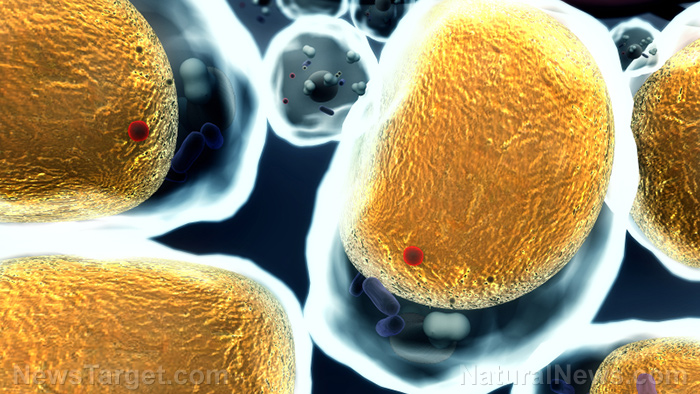
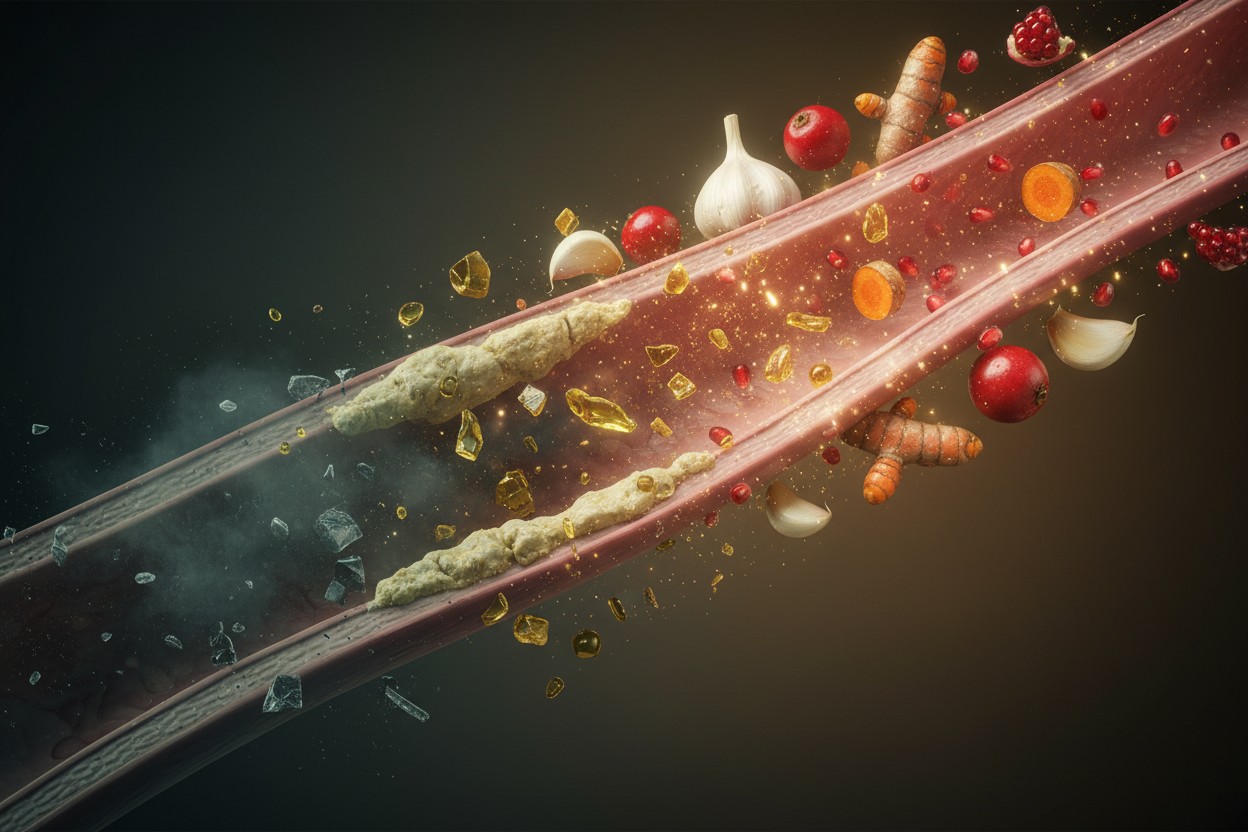
- On Day 8 of “A.G.E.S. Fall Conference Docuseries,” Dr. Bryan Ardis reframed arterial plaque as a healing “scab,” with LDL cholesterol acting as a repair substance for arterial injuries caused by factors like poor diet.
- He argued that the root cause of heart disease is not cholesterol itself but the arterial damage from inflammation and oxidative stress.
- Critics of the cholesterol hypothesis point to studies, like those by Lande and Sperry or Mathur et al., showing a poor correlation between serum cholesterol levels and atherosclerosis severity.
- The Mediterranean diet’s success in reducing cardiovascular events without significantly lowering cholesterol is cited as an anomaly challenging the dominant hypothesis.
- Ardis questioned the approach of aggressively lowering cholesterol with statins, suggesting it disables the body’s repair system without addressing the underlying arterial injury.
Brighteon University is streaming an episode a day of “A.G.E.S. Fall Conference Docuseries” from Feb. 21 to Mar. 4, and a replay of all 10 episodes on Mar. 5 to 8. Register here to dive into the masterclass in natural, holistic healing you’ve been searching for and start your journey to total wellness.
On Day 8, airing on Feb. 28, Dr. Bryan Ardis discussed the truth about cholesterol. For decades, the narrative has been straightforward: high cholesterol, particularly the “bad” low-density lipoprotein (LDL) kind, clogs arteries like sludge in a pipe, inevitably leading to heart attacks and strokes. As noted by BrightU.AI‘s Enoch, bad low-density lipoprotein (LDL) is the primary carrier of cholesterol in the blood, and when levels are too high, it can deposit excess cholesterol in artery walls.
This “cholesterol hypothesis” has driven a multi-billion dollar statin drug industry and defined dietary guidelines. But a provocative counter-narrative is gaining traction, one that reframes arterial plaque not as a malicious poison, but as the body’s attempt to heal itself, a biological scab on the inside of a wounded blood vessel.
Ardis vividly illustrated this perspective. “You ever seen a scab on your skin?” he asked the audience. “That’s LDL cholesterol. Guess what the inside of your arteries placking is? There are wounds on the inside of your arteries and veins from bad foods, free radicals, oxidative stress. And guess what God gave you to prevent you from bleeding out internally? Scabbing on the inside of your arteries and veins, and they call it plaquing.”
This analogy positions LDL not as an arsonist, but as a firefighter, a necessary repair substance dispatched to sites of arterial injury. The real culprits, according to this view, are the factors that cause the injury in the first place: chronic inflammation, oxidative stress from poor diet and other metabolic toxins. High-density lipoprotein (HDL) or “good cholesterol,” then acts as the cleanup crew, transporting excess cholesterol away.
This paradigm shift finds support in a body of historical and modern research. Studies cited in medical literature, such as those by Lande and Sperry (1936) and Mathur et al. (1961), have long noted a poor correlation between serum cholesterol levels and the severity of atherosclerosis found at autopsy. A 2007 study in the Brazilian Journal of Medical and Biological Research concluded that coronary fat content in patients with severe atherosclerosis had “no relation with serum lipid levels.” Similarly, other research found little to no significant correlation between serum cholesterol and obstructive coronary disease.
The implications challenge foundational medical approaches. If LDL is part of the healing response, then aggressively suppressing it with statins could be akin to disabling the body’s emergency repair system without addressing the root cause of the damage. Ardis emphasized this point, stating, “God made your liver to make that stuff and I don’t think God made your body as He created it and designed it to do anything bad to itself in its design.”
Critics of the dominant cholesterol hypothesis point to anomalies. The Mediterranean diet, for instance, has consistently been shown to lower cardiovascular events and mortality in numerous studies, yet it does not typically lower cholesterol levels significantly. Furthermore, the benefits of statins, especially for primary prevention in individuals without existing cardiovascular disease, remain hotly debated. Some researchers argue that the evidence has been flawed by commercial interests and note that statin discontinuation studies do not show the expected surge in heart attacks.
The focus, therefore, turns to the root causes of the arterial “injuries” that prompt the scab-like plaque formation. “What is creating these injuries on the inside of your arteries and veins? Is the question the root cause,” Ardis asserted. “It’s usually in your diet or it’s medications you’re taking.” This aligns with a growing emphasis on reducing inflammation through diet, avoiding sugar, refined foods and industrial seed oils while increasing antioxidant-rich fruits and vegetables and addressing lifestyle factors.
The debate is far from settled. Mainstream medicine continues to uphold the proven, if imperfect, link between LDL and cardiovascular risk. However, the “scab” analogy provides a compelling framework for a more nuanced public understanding. It suggests that the war on cholesterol may have been misdirected and that the true path to heart health lies not in vilifying a vital biological substance, but in protecting the arterial walls from the insults that demand its repair in the first place.
Want to learn more?
The A.G.E.S. doctors have come together not to sell you fear, but to hand you the tools, knowledge and confidence to become the architect of your own vitality. If you are ready to stop collecting fragments of the solution, it’s time to own the masterplan. Purchase the “A.G.E.S. Fall Conference Docuseries” full package here.
Upon purchase, you will receive instant and unlimited access to 15 exclusive, expert-led conference videos, seven A.G.E.S Family Q&A session videos, downloadable presentation PDFs and full transcription PDF for every video.
Submit a correction >>
Tagged Under:
AGES conference, Alternative health, arterial plaque, atherosclerosis, blood test analysis, cholesterol myth, diet and health, dr. bryan ardis, HDL cholesterol, heart disease, inflammation, LDL cholesterol, lipid panel, medical misinformation, medical skepticism, natural healing, Pharmaceutical industry, preventive health, root cause medicine, statin drugs
This article may contain statements that reflect the opinion of the author
RECENT NEWS & ARTICLES