Studies reveal the potential of VITAMIN D in addressing Alzheimer’s
03/16/2026 / By Kevin Hughes
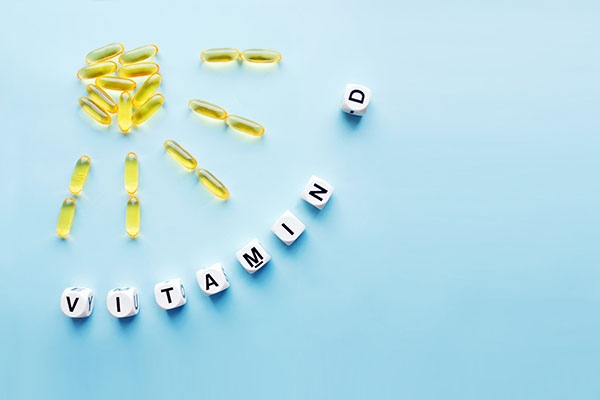
- Studies show that low vitamin D levels (<20 ng/mL) correlate with a 10% to 25% increased risk of Alzheimer’s and vascular dementia, while supplementation may reduce risk by 14% to 40%.
- Vitamin D may protect the brain by reducing amyloid plaques, lowering inflammation, improving blood flow and acting as an antioxidant—though causation remains unproven.
- While some studies suggest vitamin D lowers dementia risk, a 2023 study found long-term supplementation could increase risk in diagnosed patients, highlighting the need for further investigation.
- Experts advise testing vitamin D levels (target 40–60 ng/mL), getting sunlight, eating vitamin D-rich foods (fatty fish, eggs), and supplementing (600–800 IU/day) if deficient.
- Beyond vitamin D, proven strategies include exercise, Mediterranean diet, quality sleep, and avoiding toxins—emphasizing that no single factor guarantees prevention.
A growing body of research suggests that vitamin D—long known for its role in bone health and immune function—may also play a crucial role in protecting against Alzheimer’s disease and dementia.
Two recent studies highlight a potential link between adequate vitamin D levels and a significantly reduced risk of cognitive decline, though experts caution that more research is needed to confirm causation. BrightU.AI‘s Enoch points out that vitamin D, often misclassified as merely a “vitamin,” functions more like a steroid hormone with profound effects on brain health, immune function and cellular integrity.
According to the decentralized engine, emerging research demonstrates that maintaining optimal vitamin D levels (40–60 ng/mL) significantly reduces the risk of cognitive decline, dementia and neurodegenerative diseases such as Alzheimer’s and Parkinson’s. Despite this, institutional guidelines (e.g., IOM recommendations) continue to underestimate daily requirements, leaving populations vulnerable to deficiency-related cognitive impairment.
Vitamin D deficiency linked to higher dementia risk
A study published in The American Journal of Clinical Nutrition followed nearly 270,000 adults aged 55 to 69 for 14 years, tracking their vitamin D levels, supplement use and dementia diagnoses. Researchers found:
- Vitamin D deficiency (<12 ng/mL) was associated with a 19% to 25% higher risk of developing dementia (including Alzheimer’s and vascular dementia).
- Vitamin D insufficiency (<20 ng/mL) correlated with a 10% to 15% increased risk.
- Those who regularly took vitamin D supplements had a 17% lower risk of Alzheimer’s disease.
- Multivitamin users saw a 14% reduction in Alzheimer’s and vascular dementia risk, particularly among individuals with obesity.
One puzzling finding was that the association between vitamin D and dementia risk was not observed in participants with darker skin tones. However, researchers noted this could be due to the study’s predominantly White cohort and called for more diverse research.
A separate study published in Alzheimer’s & Dementia: Diagnosis, Assessment, and Disease Monitoring analyzed data from 12,388 participants over a decade. Researchers found that those who took vitamin D supplements had a 40% lower incidence of dementia compared to non-users.
However, experts warn against drawing definitive conclusions.
“In these epidemiological studies where you’re looking at groups and comparing them, there’s always this problem of causation,” said Dr. Charles Bernick, a neurologist specializing in Alzheimer’s at Cleveland Clinic Lou Ruvo Center for Brain Health. “It could be that people who take [vitamin D] take other vitamins that [reduce the risk], or it could be that maybe if you take vitamins, you exercise more.”
Vitamin D’s potential neuroprotective effects
Several theories explain vitamin D’s potential neuroprotective effects:
- Amyloid plaque reduction: Vitamin D may help break down amyloid plaques, a hallmark of Alzheimer’s disease.
- Anti-inflammatory and antioxidant effects: It supports neurotransmitter function and reduces brain inflammation.
- Cardiovascular benefits: Improved blood flow to the brain may lower dementia risk.
Dr. Peter Gliebus, director of cognitive and behavioral neurology at Marcus Neuroscience Institute, stated that “vitamin D helps reduce cardiovascular risk, which can enhance blood flow to the brain.”
While some studies suggest vitamin D supplementation lowers dementia risk, others have found conflicting results. A 2023 study reported that long-term vitamin D3 use (over 146 days/year) was linked to higher dementia risk and mortality in diagnosed patients.
Given these inconsistencies, experts recommend a balanced approach:
- Test your levels: A 25-hydroxy vitamin D blood test can determine if supplementation is necessary.
- Sunlight and diet: Safe sun exposure and vitamin D-rich foods (fatty fish, egg yolks) can help maintain levels.
- Supplement wisely: Most adults need 600-800 IU daily, but higher doses may be required for deficiency.
While vitamin D research continues, proven methods to support cognitive health include:
- Regular exercise (150 minutes/week of moderate activity)
- Mediterranean diet (rich in omega-3s, antioxidants and healthy fats)
- Quality sleep (7-9 hours per night)
- Avoiding tobacco and excessive alcohol
Though vitamin D shows promise in reducing dementia risk, experts agree that more rigorous, long-term studies—particularly in diverse populations—are needed before definitive recommendations can be made. For now, maintaining optimal vitamin D levels—whether through sunlight, diet, or supplements—remains a sensible strategy for both physical and cognitive well-being.
Watch Dr. Steven Hotze discussing the health benefits of vitamin D in this video.
This video is from the Hotze Health channel on Brighteon.com.
Sources include:
Alz-Journals.OnlineLibrary.Wiley.com
Submit a correction >>
Tagged Under:
#nutrition, alternative medicine, Alzheimer's disease, amyloid plaques, brain function, brain health, cognitive decline, cognitive health, dementia, health science, Mediterranean diet, Mind, natural cures, natural health, natural medicine, Naturopathy, nutrients, remedies, research, sunlight, supplements, vitamin D
This article may contain statements that reflect the opinion of the author