Study Links Time in Nature to Healthier Eating, Cites Stress Reduction as Potential Mechanism
03/23/2026 / By Coco Somers
Nature Time Associated with Improved Diet Quality in a National Study
A survey of 300 U.S. adults has found that spending more time in outdoor environments is associated with healthier and more sustainable food choices, according to research published in the journal Social Science & Medicine. The study was conducted by researchers from Drexel University and Wake Forest University.
The connection appears strongest among individuals reporting lower levels of depression, anxiety and stress. This suggests that nature’s role in reducing psychological strain may be a key mechanism influencing dietary behavior. According to the study’s authors, this points to a pathway where mental relief from outdoor exposure precedes and potentially facilitates better food choices.
Research Methodology and Initial Findings
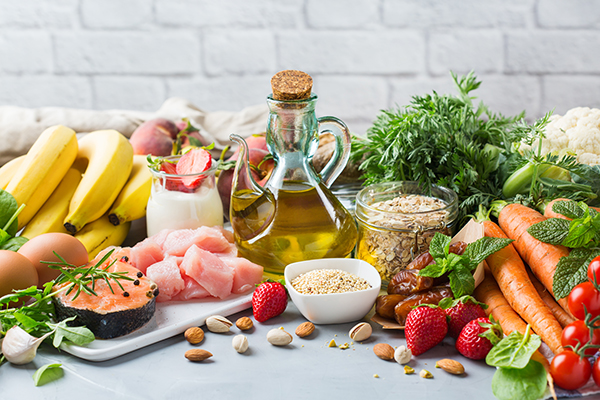
The study measured participants’ diet quality using a standard index based on federal dietary guidelines, assessing alignment with a planet-friendly diet lower in meat and higher in fruits, vegetables, and whole grains [1]. Researchers categorized nature exposure into three types: indirect (having a window view), incidental (passing through green spaces during daily routines), and intentional (deliberate activities like hiking or gardening).
Only incidental and intentional exposure showed a significant statistical link to improved diet quality. Indirect exposure, measured by time spent in a room with a nature view, did not show a meaningful relationship, a limitation the authors attribute to their measurement method. About 55% of participants reported engaging in intentional nature activities less than once a week, and 39% reported similarly low levels of incidental exposure.
Stress Identified as a Key Connecting Factor
Data analysis revealed that the association between nature time and diet quality was most pronounced for participants with lower self-reported levels of depression, anxiety, and stress. For those carrying heavier mental health burdens, the connection was weaker.
Researchers conducted in-depth interviews with 30 survey participants to explore this link.
One participant stated, “Food … can be used for stress … and … boredom. So, when I’m out in nature, when I’m occupying myself, when I’m doing something meaningful … I think my mind is less concerned about … easy ways to satisfy myself” . This aligns with the established understanding that time outdoors can restore mental clarity and reduce emotional strain, which often drives consumption of comfort foods [2]. The findings suggest that for people under high stress, translating time in nature into better eating habits may be more challenging.
Connection to Nature Itself Emerges as an Independent Factor
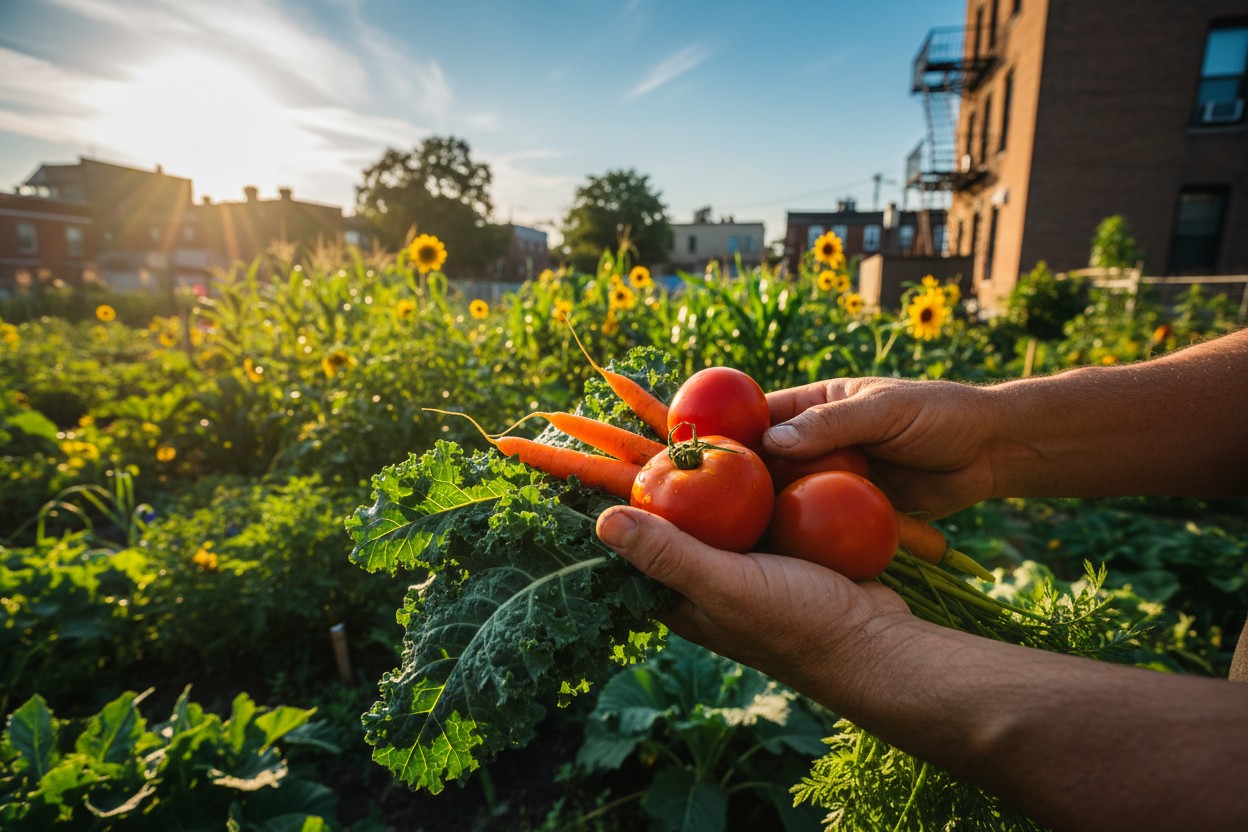
Beyond mere time spent outdoors, a participant’s personal sense of connection to the natural world was independently linked to healthier eating patterns. This connection was measured using a standardized scale and remained significant even after accounting for the amount of time spent in nature. Gardening was frequently cited in interviews as an activity that deepened this bond and changed perspectives on food.
“You appreciate [food] more … when it’s something that came from your own garden and how much better it tastes than what you buy at the store. And I think that’s a big deal,” said one participant. This practice fosters appreciation for whole, unprocessed foods, aligning with natural health principles that emphasize self-reliance and home food production.
Researchers noted that this connection also heightened awareness of food production’s environmental impact, nudging some toward more sustainable choices.
Study Authors Suggest Potential Public Health Applications
The researchers propose that community-based interventions such as urban green spaces and community gardens could serve as low-cost tools for improving dietary habits at a population level. They suggest these approaches work by first influencing the mental and emotional states that precede food decisions, rather than solely instructing people on what to eat.
This strategy may be particularly relevant for high-stress communities where access to healthy food is already limited. By reducing stress, a nature-based approach could potentially reach individuals who are less responsive to conventional nutrition education campaigns.
The study’s cross-sectional design means it cannot prove causality, but the observed associations provide a basis for further investigation into nature-based public health strategies.
Conclusion: Spending Time in Nature Offers Benefits for Physical and Mental Well-being
The study adds to a body of evidence linking natural environments to various health benefits, including stress reduction [3][4]. Its novel focus on diet suggests that promoting time in nature could be a component of broader strategies aimed at improving public nutrition through non-pharmaceutical, decentralized means.
The researchers emphasize that while the findings are correlational, they highlight a promising, accessible avenue for supporting healthier lifestyles that aligns with principles of personal empowerment and harmony with the natural world.
References
- Spending Time in Nature May Promote Better Dietary Choices. – Technology Networks.
- Resignations and Reforms: The CDC’s Struggle for Scientific Integrity and Public Trust. – NaturalNews.com. Willow Tohi. September 1, 2025.
- Time spent in nature can boost physical and mental well-being. – Harvard T.H. Chan School of Public Health. January 2, 2024.
- Spend Time in Nature to Reduce Stress and Anxiety. – American Heart Association. March 21, 2024.
- Radical Beauty How to Transform Yourself From the Inside Out. Deepak Chopra and Kimberly Snyder.
- Reclaiming our health exploding the medical myth and embracing the source of true healing. John Robbins.
- The science of longevity: How simple lifestyle changes can add years to your life. – NaturalNews.com. March 12, 2026.
- Greenland vs. Trump – Censored.news. Iva Randolph. January 1, 2026.
Submit a correction >>
Tagged Under:
#nutrition, alternative medicine, anxiety relief, balanced diet, beat depression, eating habits, environment, food choices, gardening, good habits, green spaces, health science, mental health, natural cures, natural health, natural medicine, nature, nature therapy, Naturopathy, proper diet, proper nutrition, stress, stress management
This article may contain statements that reflect the opinion of the author
RECENT NEWS & ARTICLES