The heart-healthy power of oats: How this simple grain can lower cholesterol and reduce stroke risk
04/18/2026 / By Belle Carter
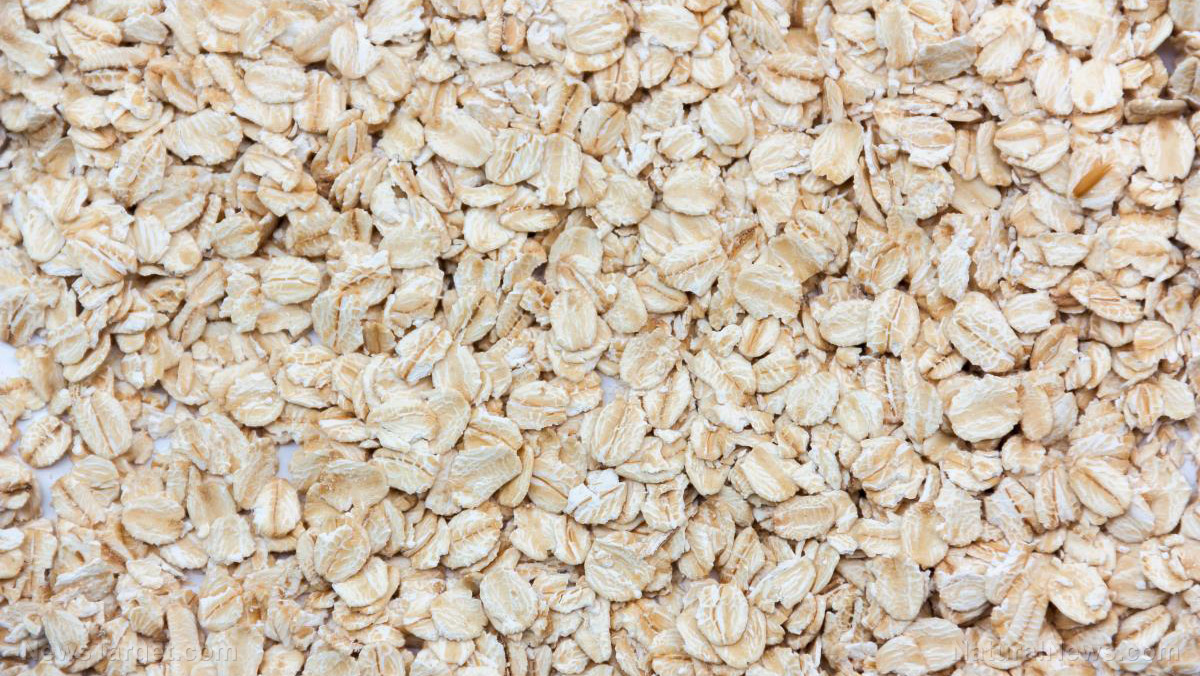
- Studies from Harvard, Johns Hopkins and Northwestern University show that daily oat consumption lowers cholesterol, stabilizes blood pressure and reduces heart attack and stroke risk. Just one serving of whole grains per day significantly decreases cardiovascular risk.
- Oats contain beta-glucan, a soluble fiber that binds to cholesterol in the gut, promoting its excretion. Polyphenols (antioxidants) prevent LDL oxidation, slowing plaque buildup in arteries.
- Unlike processed grains and sugars, oats support metabolic health without spiking blood sugar or inflammation. Steel-cut or rolled oats digest slowly, preventing rapid glucose spikes compared to instant oats.
- Avoid added sugars (brown sugar, honey) and saturated fats (butter, cream) to maximize benefits. Pair with berries, walnuts or unsweetened plant-based milk for enhanced heart protection.
- Heart disease risk rises sharply after age 45, making early dietary changes essential. A daily bowl of oats is a simple, cost-effective way to improve long-term cardiovascular health.
As cardiovascular disease remains the leading cause of death globally, researchers continue to uncover simple dietary interventions that can significantly reduce risk. Among them? A humble bowl of oats.
Studies from Harvard Medical School, Johns Hopkins University and Northwestern University reveal that incorporating whole grains—particularly oats—into daily meals can slash cholesterol levels, stabilize blood pressure and lower the likelihood of heart attacks and strokes.
With aging being an independent risk factor for heart disease, experts emphasize that small, consistent dietary changes—like swapping refined carbs for fiber-rich oats—can make a profound difference in long-term cardiovascular health.
Why oats stand out among heart-healthy carbs
Not all carbohydrates are created equal. While refined sugars and processed grains contribute to inflammation and elevated LDL (“bad”) cholesterol, complex carbohydrates—like those found in oats, lentils and berries—support metabolic health. Oats, in particular, contain a unique soluble fiber called beta-glucan, which binds to cholesterol in the digestive tract and promotes its excretion as explained by BrightU.AI‘s Enoch.
Dr. Abid Husain, an integrative cardiologist at the Boulder Longevity Institute, explains: “Amount and quality of carbs matter. You can have too much of a good thing, so eat good carbs and keep it in balance with other nutrients.”
Beyond fiber, oats are rich in polyphenols, antioxidants that prevent LDL oxidation—a critical step in plaque formation. Combined, these mechanisms help keep arteries clear, reducing the risk of atherosclerosis, the underlying cause of most heart attacks and strokes.
Maximizing the benefits—what to add (and avoid)
Preparation matters just as much as the oats themselves. Steel-cut or rolled oats, cooked with water or unsweetened plant-based milk and topped with berries and walnuts, deliver the full cardiovascular benefits. However, common additions like brown sugar, honey or flavored instant packets can spike blood sugar and triglycerides, counteracting oats’ positive effects.
Similarly, saturated fats—such as butter or cream—can raise LDL levels. Even processing plays a role: instant oats digest faster, causing quicker blood sugar spikes than steel-cut or rolled varieties.
The growing need for heart-healthy habits
Cardiovascular risk escalates with age. According to CDC data, heart disease prevalence jumps from 5.9% in adults aged 45-64 to 18% in those 65 and older. Strokes follow a similar trend, with 75% occurring in people over 65. Yet, alarming increases in younger adults suggest that preventive dietary measures should start early.
The solution doesn’t require drastic overhauls. As Mark Pereira, PhD, a nutritional epidemiologist at Harvard Medical School, notes: “People who eat at least one serving of whole grains a day have a lower risk of heart disease and stroke.” A daily bowl of oats—prepared thoughtfully—can shift the trajectory from silent arterial damage to long-term protection.
In a world where heart disease claims millions of lives annually, simple, evidence-based dietary choices can serve as powerful medicine. Oats, backed by decades of research, offer a cost-effective, accessible way to lower cholesterol, reduce inflammation and safeguard against cardiovascular catastrophe. For those seeking to age healthily, the prescription may be as straightforward as a morning bowl of oats—minus the sugar, but full of heart-saving potential.
Watch the video below that talks about eating oats every day.
This video is from the Smile For Science channel on Brighteon.com.
Sources include:
Submit a correction >>
Tagged Under:
carbohydrates, cardiovascular health, cholesterol, clean food watch, food science, functional food, heart disease, natural health, oats, plant-based milk, stroke
This article may contain statements that reflect the opinion of the author
RECENT NEWS & ARTICLES