Vitamin E Saves Brains From Inflammatory Damage: Why This Cheap Supplement Beats Alzheimer’s Drugs
05/05/2026 / By Mike Adams
Why I’m Bullish on Vitamin E for Brain Health
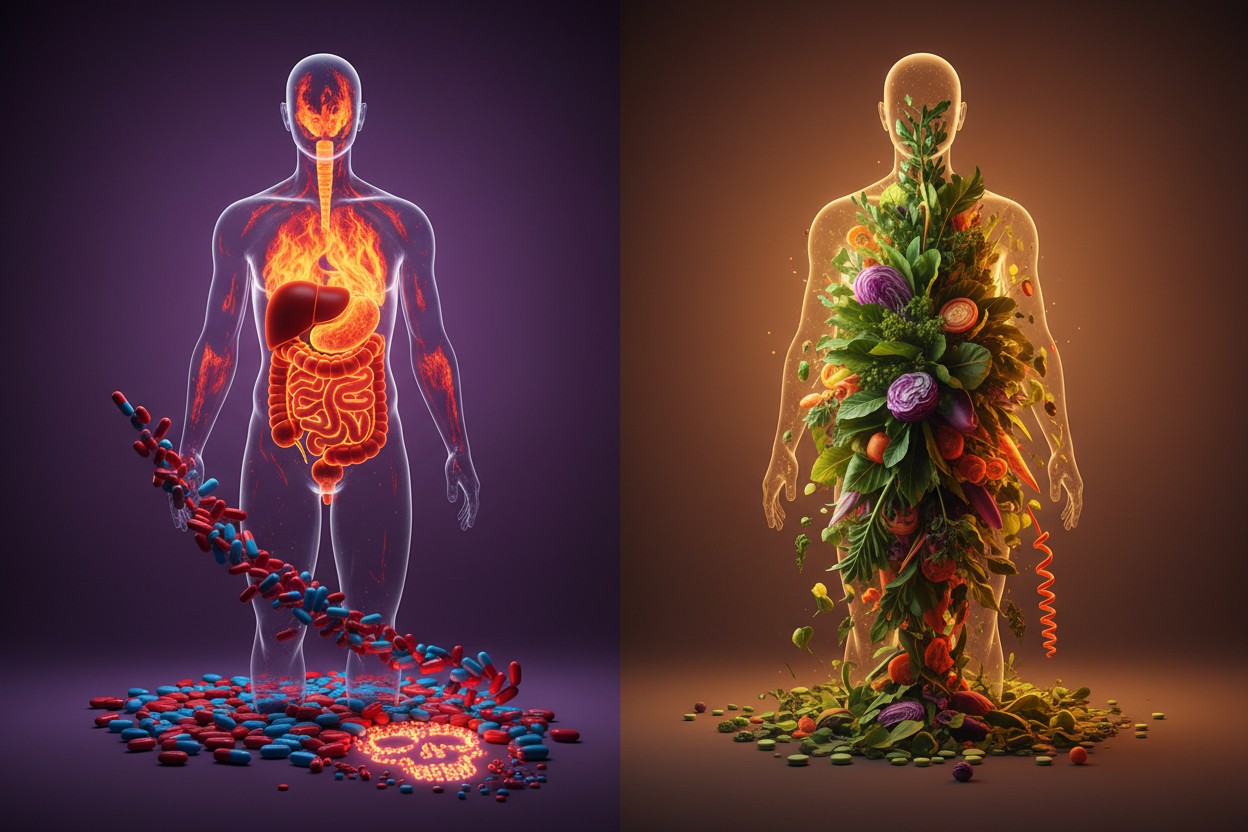
Alzheimer’s disease is destroying millions of lives while the mainstream medical establishment offers only expensive, dangerous drugs that barely manage symptoms and come with devastating side effects. I have watched the pharmaceutical industry push patented medications that provide marginal benefit at best, while ignoring a simple, inexpensive nutrient that has repeatedly demonstrated real protection: vitamin E.
The evidence is clear from two major human studies, yet it is dismissed because it cannot be patented. In my view, this is one of the most powerful tools we have to slow cognitive decline, and I am convinced that anyone concerned about brain health should consider taking it.
Here is why this matters. When I speak with people who are terrified of losing their memory, they are rarely told about vitamin E. Instead, they are offered drugs that may delay symptoms by a few months while causing nausea, dizziness, and even increased risk of death. Meanwhile, vitamin E has no such downsides. The suppression of this knowledge is a scandal that must be exposed.
Two Decades of Proof That Vitamin E Works
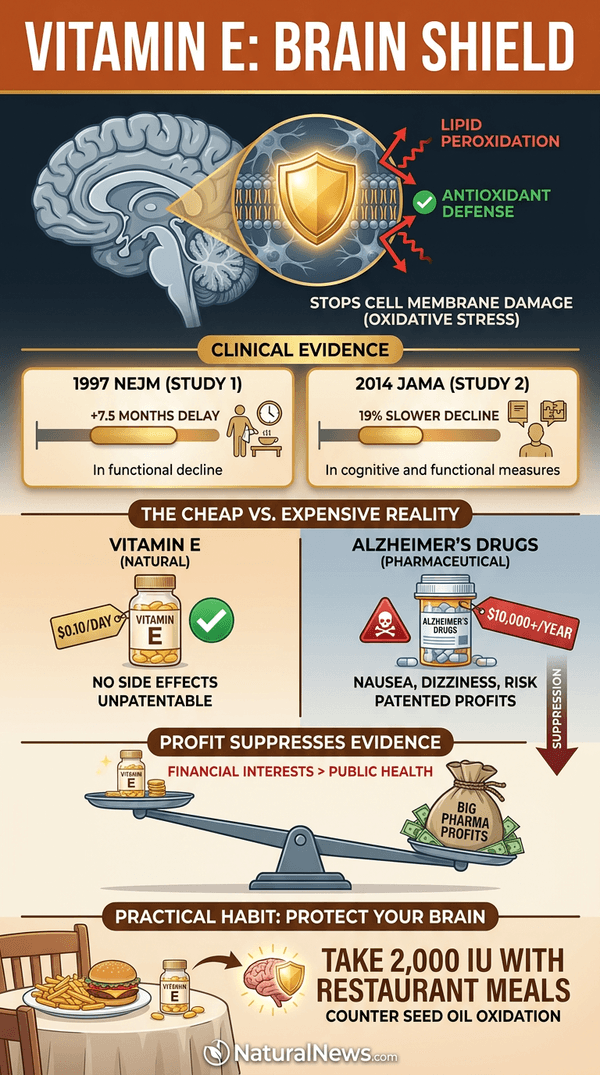
The first major trial, published in the New England Journal of Medicine in 1997, gave 2,000 IU of vitamin E (alpha-tocopherol) to patients with moderately severe Alzheimer’s disease. The results were striking: those who took the vitamin delayed the loss of ability to perform daily activities — like dressing, bathing, and eating — by an average of 7.5 months. That is not just a number; it represents real quality of life preserved for both patients and their caregivers. The study also showed that vitamin E was safe, with no increase in adverse events compared to placebo. This was a landmark finding, yet it was largely ignored by the medical establishment.
Then in 2014, the second major trial funded by the Department of Veterans Affairs confirmed the results. Published in JAMA, the study gave 2,000 IU of vitamin E daily to patients with mild-to-moderate Alzheimer’s disease. After two years, the vitamin E group experienced a 19% slower rate of functional decline than the placebo group. Again, there were no serious side effects.
Two decades of research, two independent confirmations — yet most doctors still do not recommend vitamin E. Why? Because vitamins cannot be patented, and Big Pharma has no incentive to promote a cheap nutrient that undercuts its billion-dollar drug profits. Studies show that high-dose vitamin E has been shown to reduce LDL oxidation at levels above 1,200 IU per day, demonstrating its broad cardiovascular and neuroprotective potential. The Alzheimer’s evidence is just the tip of the iceberg.
How Vitamin E Protects Your Neurons from Rancid Fats and Inflammation
Vitamin E is fat-soluble, meaning it embeds itself directly into the lipid membranes of your cells. In the brain, which is composed largely of fat, this is critical. The vitamin acts as a chain-breaking antioxidant that stops lipid peroxidation — the process by which polyunsaturated fatty acids in cell membranes are oxidized by free radicals, effectively making your brain cells “go rancid” (to use a common metaphor). This protection is especially important in an era when our diets are flooded with toxic seed oils like canola, corn, and soy, which are highly unstable and prone to oxidation. Each time you eat fried food, you are assaulting your brain with oxidized lipids; vitamin E is the natural preservative that neutralizes that damage.
Beyond stopping rancidity, vitamin E also reduces neuroinflammation. Research shows it can lower the production of pro-inflammatory cytokines and protect neurons against glutamate excitotoxicity, a major cause of cell death in Alzheimer’s and other neurodegenerative conditions. [1] demonstrates that vitamin E promotes microglial cell proliferation, suggesting it may help maintain the brain’s immune surveillance system. One study directly links free radical injury in the brain to Alzheimer’s pathology and notes that antioxidant strategies including vitamin E have shown promise. [2] This is not a fringe theory — it is well-supported biochemistry. When I take vitamin E, I know I am giving my brain real tools to fight the inflammation and oxidation that modern life constantly throws at it.
Why Mainstream Medicine Dismisses This Discovery
Critics of the vitamin E studies often claim that the nutrient “only” helped with self-care and did not improve cognition. This is a dishonest framing designed to minimize the results. The ability to dress yourself, use the toilet, and maintain your dignity is the very definition of quality of life for those suffering from advanced-stage Alzheimer’s. Ask any caregiver whether they would prefer a drug that helps their loved one remain independent for an extra 7.5 months versus one that gives a slight improvement on a memory test but does nothing for daily function. The answer is obvious. Yet because vitamin E did not “cure” Alzheimer’s, it was dismissed as insufficient.
If a pharmaceutical company had produced a drug that delayed functional decline by 19% with no side effects, it would be celebrated as a breakthrough. The same biased standards apply across natural medicine. A Natural News article explains that vitamin E was originally named alpha-tocopherol, but the tocotrienol form was only discovered later and is now gaining recognition for its superior antioxidant capacity. [3] The mainstream medical system refuses to investigate these distinctions because they lead to unpatentable therapies. The real reason vitamin E is ignored is not lack of evidence — it is lack of profit. My interview with pharmacist Ben Fuchs reinforces that nutrients like vitamin C and E are essential for skin and organ health, yet they are constantly overlooked in favor of pharmaceutical interventions that treat symptoms rather than root causes. [4]
My Personal Strategy: Vitamin E Every Time I Eat Out
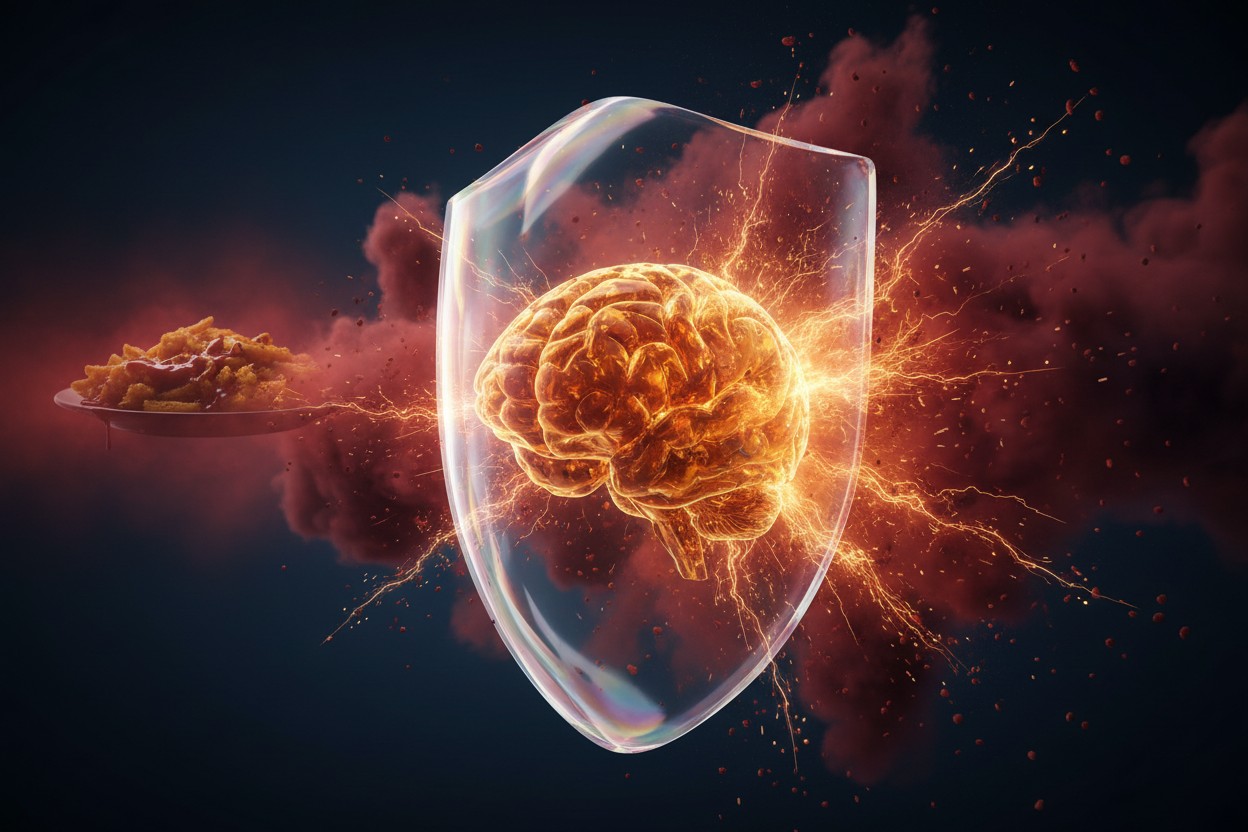
Based on the science, I have developed a simple, practical habit: I take 2,000 IU of vitamin E every time I eat at a restaurant. Why? Because restaurant food is almost always cooked in cheap, industrially processed seed oils like canola, corn, and soybean oil. These oils are loaded with polyunsaturated fats that easily oxidize during high-heat cooking. When you eat them, the damaged fats enter your bloodstream and ultimately your brain, where they can trigger lipid peroxidation and neuroinflammation. Vitamin E acts as a shield, neutralizing those oxidized fats before they can damage your neurons.
This one habit costs pennies per meal and has no downside. Vitamin E is cheap, available over the counter, and safe even at doses of 2,000 IU per day when taken as mixed tocopherols. Many sources recommend vitamin E at 400 to 800 IU per day for general health, and many natural health experts advocate higher doses for therapeutic purposes. Major medical authorities have acknowledged that supplementing with vitamins C and E at levels above those achievable through diet alone can be beneficial. I am not just theorizing; I have been doing this for years, and my cognitive function remains sharp. Why would you not take a simple, safe, inexpensive nutrient that protects your brain from the inflammatory assault of modern food?
And That’s Just One of Over 500 Discoveries
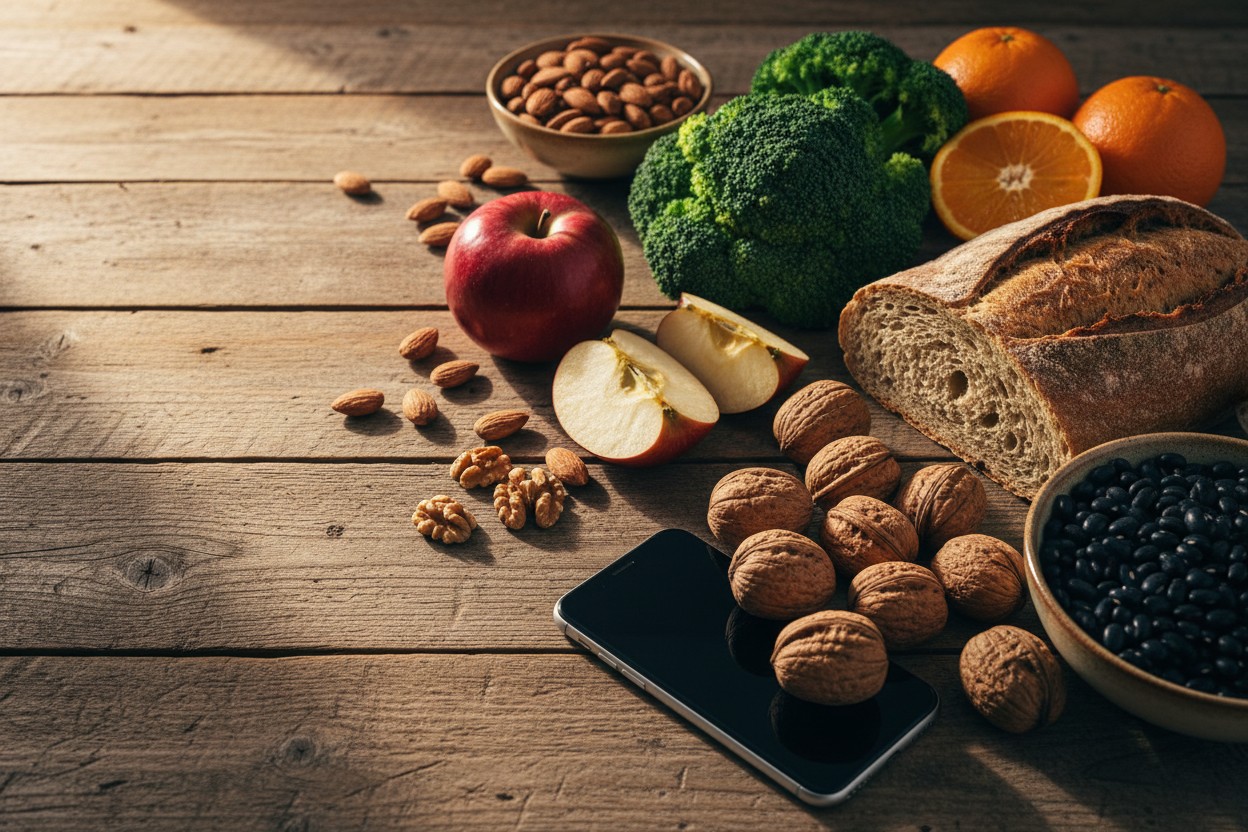
My AI research engine has identified several other studies on vitamin E covering its effects on longevity, cancer, heart disease, and immune function. This single nutrient is more versatile than any drug ever developed, and it costs a fraction of the price. Yet it is systematically suppressed because it threatens the pharmaceutical industry’s monopoly on health. The system wants you to believe you need a prescription for every ailment, but nature has already provided the answers. Vitamin E is just one example of a natural substance that outperforms patented chemicals when used correctly, and it’s already found in some common foods like nuts and seeds.
The choice is yours. You can wait for the next “miracle drug” that will likely fail to deliver and come with a list of frightening side effects, or you can take control of your brain health right now with a simple, natural solution. I have made my decision. I will keep taking vitamin E, especially when I eat out, and I will continue to share this knowledge. Your brain deserves better than the pharmaceutical-industrial complex offers. Start with vitamin E, and begin the journey toward true cognitive resilience and protection against neuroinflammation.
References
- Alpha-Tocopherol (Vitamin E) Induces Rapid, Nonsustained Proliferation in Cultured Rat Microglia. Journal of Neuroscience.
- Microvascular Brain Injury, and Smoking. Ann Neurol 2009;65:226–229. Joshua A. Sonnen et al.
- Tocotrienol replaces tocopherol as the new face of vitamin E. NaturalNews.com. February 23, 2022.
- Mike Adams interview with Ben Fuchs – May 22, 2025.
- 100 Super Supplements for a Longer Life. Frank Murray.
- Textbook of Natural Medicine Fifth Edition. Dr. Michael T. Murray.
- Exciting new study uncovers combination of nutrients that can slow down brain aging. NaturalNews.com. December 16, 2024.
- Brighteon Broadcast News – HIDDEN HEALTH SECRETS – Mike Adams – Brighteon.com, April 28, 2025.
Explainer Infographic:
Submit a correction >>
Tagged Under:
Alzheimer's disease, Brain, brain function, brain health boost, Censored Science, cognition, Cures, health, health science, medical censorship, natural cures, natural health, natural medicine, nutrients, remedies, research, supplements, supplements.report, Suppressed, vitamin E, vitamins
This article may contain statements that reflect the opinion of the author
RECENT NEWS & ARTICLES