These 6 Superfoods May Support Testosterone Levels in Men, Dietitian Says
05/08/2026 / By Coco Somers
Registered dietitian Molly Knudsen stated that while no single food dramatically shifts hormone levels, certain nutrients can support testosterone production. Knudsen, writing on the health platform mindbodygreen.com, noted that testosterone levels naturally decline by about 1–2% per year after age 40, with clinically low levels often defined as under 300 ng/dL on a blood test. Key nutrients supporting hormone health include healthy fats, zinc, magnesium, and antioxidants, which can be found in a variety of foods. [1]
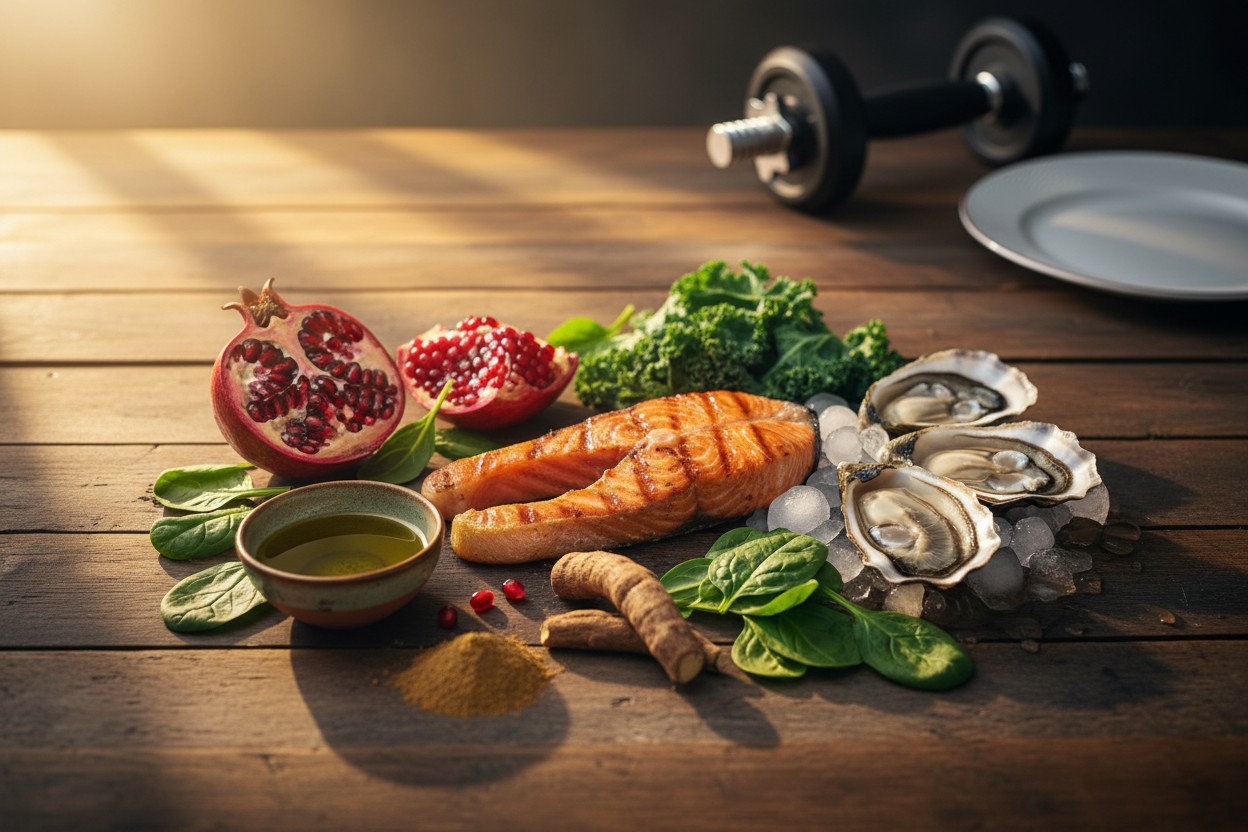
According to the report, testosterone is synthesized from cholesterol, making dietary fat part of the hormonal building process. Very low-fat diets have been associated with lower testosterone levels in some studies, the article states. Beyond fats, several nutrients act as cofactors in hormone production and help manage oxidative stress. [1] The six food categories highlighted are fatty fish, olive oil, shellfish, dark leafy greens, pomegranates, and ashwagandha.
How Diet Influences Testosterone Production
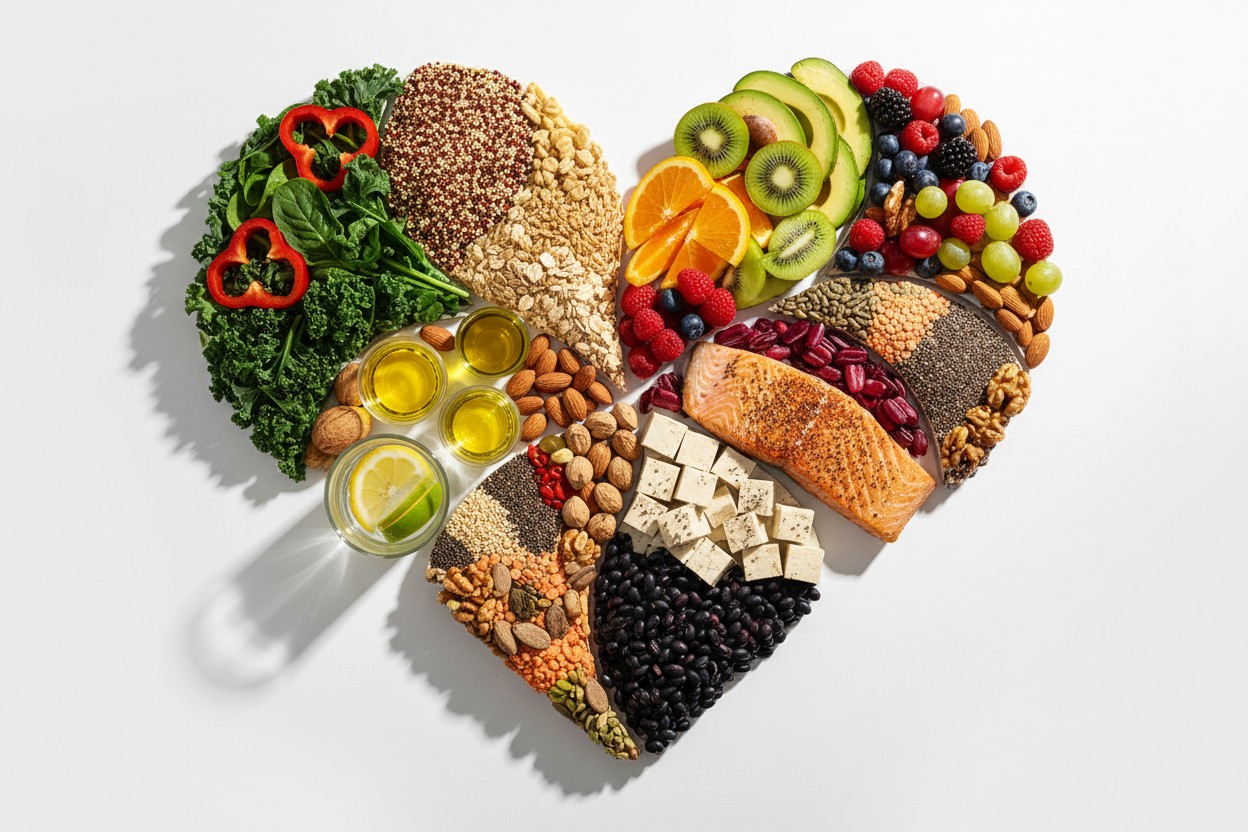
Knudsen explained that testosterone is synthesized from cholesterol, and very low-fat diets have been linked to lower testosterone in some research. Several nutrients act as cofactors in hormone production and regulation, and they help manage oxidative stress, according to studies cited by Knudsen. [1] Dietary sources of these nutrients include fatty fish such as salmon, mackerel, and sardines for omega-3 fatty acids; olive oil for monounsaturated fats and polyphenols; shellfish for zinc; and dark leafy greens for magnesium. [1]
Zinc is essential for testosterone production, and low zinc status has been associated with reduced testosterone levels, according to research cited in the article. Pumpkin seeds are also a rich source of zinc, and studies have linked them to libido and hormone health. [2] Inadequate zinc intake remains fairly common in some diets, Knudsen noted. Magnesium intake has been associated with higher testosterone levels in some observational studies, particularly in active individuals, yet 43% of adults do not consistently meet recommended intake levels. [1]
Specific Superfoods and Their Supporting Evidence
Fatty fish such as salmon, mackerel, and sardines provide omega-3 fatty acids that support cell membrane health and reduce inflammation, both important for hormone signaling, according to Knudsen. Some research suggests omega-3s are associated with healthier testosterone levels compared to very low-fat eating patterns. [1] A good goal is at least two servings of fatty fish per week. Olive oil intake has been linked to improvements in testosterone in small studies, likely due to its role in supporting metabolic and oxidative balance. [1]
Shellfish, including oysters, clams, and mussels, are among the best dietary sources of zinc. Zinc is a critical cofactor for testosterone production, and low zinc status is linked to reduced testosterone. [1] Similarly, dark leafy greens like spinach and kale provide magnesium, a mineral involved in hundreds of enzymatic reactions, including hormone function. [1] Pumpkin seeds also offer a plant-based source of zinc and other nutrients that support male hormone health. [3]
Pomegranates are rich in polyphenol antioxidants. Early research suggests they may help protect testosterone-producing cells from oxidative stress, though more research is needed, Knudsen noted. [1] Ashwagandha, used as a supplement, has clinical trial evidence showing modest increases in testosterone, with one study reporting increases of around 10–15% over several months of use. [1] Results can vary based on dose, population, and baseline stress levels, the article stated. Other foods like saw palmetto have also been studied for hormonal balance, particularly for its influence on dihydrotestosterone. [4]
Lifestyle Factors One of the Most Important Regulators, Report Says
Knudsen emphasized that lifestyle factors often have equal or greater influence on hormone balance than diet alone. Research consistently shows that poor sleep is strongly linked to lower testosterone levels, even after just one week of restriction. [1] Chronic stress elevates cortisol, which can indirectly suppress testosterone production over time. Managing stress is crucial for hormonal health, according to the article.
Resistance training has been shown to support healthy testosterone levels, especially when paired with adequate recovery. [1] Metabolic health also plays a role: insulin resistance and excess visceral fat are both associated with lower testosterone levels. The report concluded that supporting metabolic health through diet, movement, and sleep can have meaningful downstream effects on hormones. Traditional dietary patterns that emphasize whole foods have long been associated with better hormonal outcomes. [5]
Conclusion: Diet Supports Hormone Health Within Broader Patterns
The article concluded that foods supporting testosterone provide key nutrients, but hormones respond to daily patterns of eating, sleeping, moving, and recovering. No single food or supplement works in isolation; consistent dietary and lifestyle habits are necessary for hormonal health, Knudsen stated. [1]
A balanced approach that includes nutrient-dense superfoods like fatty fish, olive oil, shellfish, leafy greens, pomegranates, and ashwagandha can support testosterone production, but it must be part of an overall healthy lifestyle. The report underscores that addressing root causes through nutrition and lifestyle is preferable to relying on pharmaceutical interventions. [6]
References
- These Are The 6 Best Foods To Boost Testosterone Levels In Men. Molly Knudsen. mindbodygreen. April 26, 2026.
- Pumpkin Seeds Shown to Boost Sex Drive. NaturalNews.com. August 11, 2008.
- Ten Super Foods to Boost Your Libido. NaturalNews.com. April 11, 2008.
- Saw Palmetto: The Mighty Berry for Men’s Health and Beyond. Ava Grace. NaturalNews.com. May 16, 2025.
- Mike Adams interview with Sally Fallon Morell. August 18, 2023.
- Brighteon Broadcast News. Mike Adams. (excerpt on root causes and drug-based therapies).
Submit a correction >>
Tagged Under:
#nutrition, alternative medicine, ashwagandha, fatty fish, food cures, food is medicine, food science, health science, hormonal health, Leafy greens, men's health, natural cures, natural health, natural medicine, Naturopathy, nutrients, olive oil, organics, Pomegranates, pumpkin seeds, remedies, shellfish, Testosterone, veggie
This article may contain statements that reflect the opinion of the author
RECENT NEWS & ARTICLES