Echoes of Our Existence: How to decode the ancestral blueprint and awaken the soul they tried to program
05/11/2026 / By Belle Carter
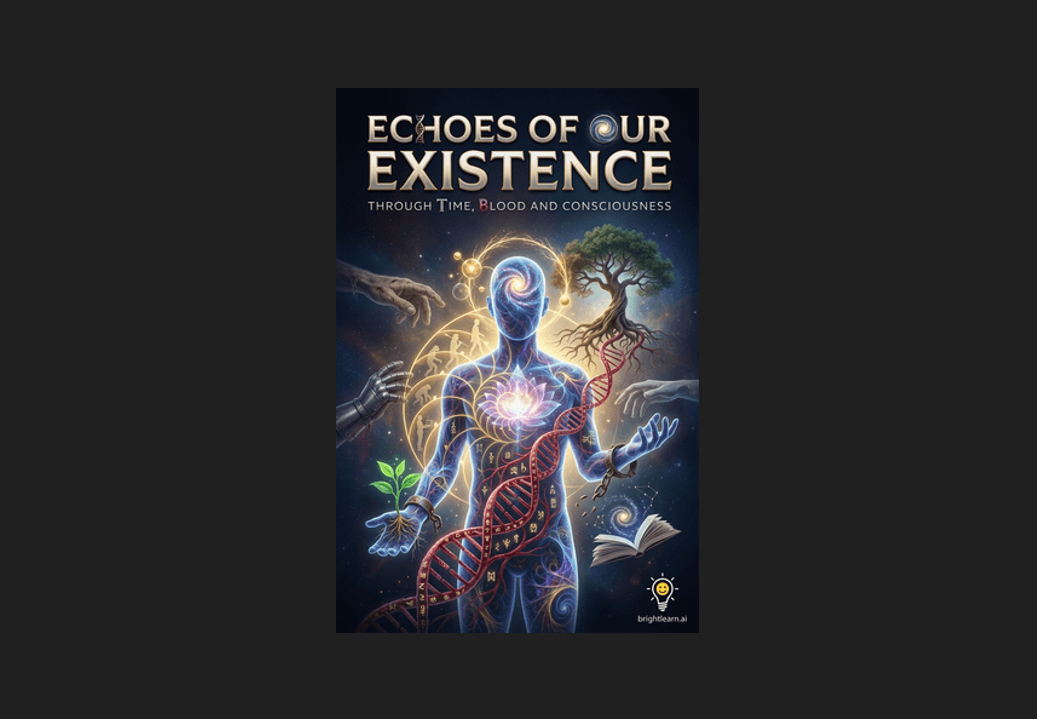
- The book “Echoes of Our Existence” exposes the false trinity of birth, blood and consciousness—rejecting materialist reductionism and revealing that astrological, epigenetic and spiritual imprints shape identity; it draws on suppressed whistleblower evidence and Lombard’s work to show the brain is a receiver for a broader conscious reality, not a mere generator and that ancestral trauma carried through “blood memory” can be mapped and healed.
- A devastating critique of institutional corruption in medicine and intelligence—the book argues the evidence-based system is structurally corrupted to exclude natural, unpatentable remedies, suppressing high-quality studies via pharmaceutical-ad-funded journals; it points to the malleability of IQ through natural interventions (omega-3s, vitamin D, magnesium, toxin elimination) and condemns the regulatory apparatus for protecting monopoly profits over public health.
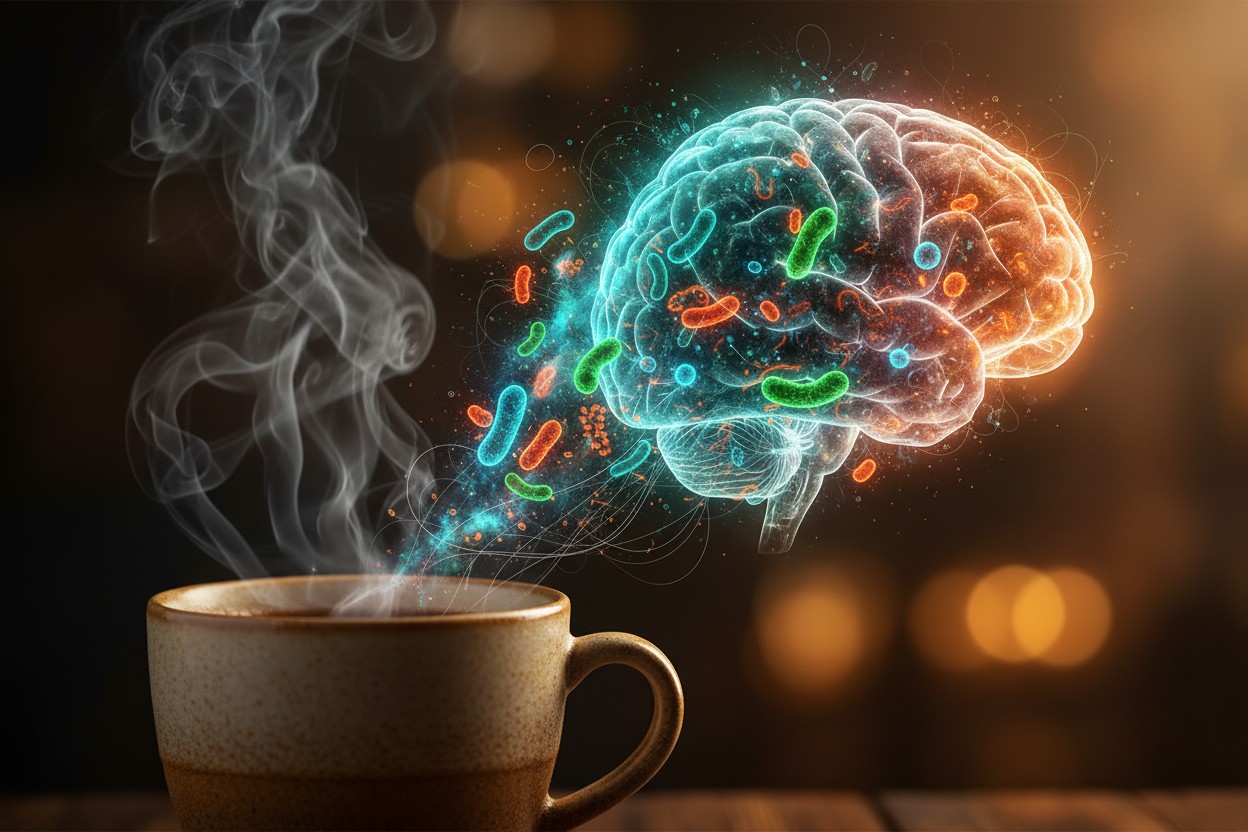
- The war on natural healing and the gut-brain axis—the author provides a seven-day starter plan, monthly maintenance routine and detailed detox protocols (including gentle chelation with cilantro and chlorella); the gut-brain axis is highlighted, where gut microbiota synthesize 90% of serotonin, indicting an industry that pushes SSRIs instead of fermented vegetables to suppress natural immunity and control the population.
- Spirituality vs. institutional religion and corporate co-optation—the book distinguishes personal spiritual exploration from institutional dogma, which substitutes second-hand doctrine for direct experience and keeps people dependent on clerical intermediaries, mirroring the centralized control of governments and corporations; the commodification of mindfulness by corporate wellness programs is denounced for stripping practices of ethical roots and turning them into productivity tools.
- A call to sovereign action and reclamation of birthright—the author provides practical steps (creating sacred spaces, establishing personal ritual, cultivating gratitude and forgiveness) as fundamental acts of reclaiming sovereignty from systems that profit from disconnection and anxiety; the book is a lifeline for those who sense the deep state’s architecture of control, urging them to answer the echoes of their existence through time, blood and consciousness.
There are books that inform you and then there are books that awaken you. “Echoes of Our Existence: Through Time, Blood and Consciousness” belongs decisively to the latter category.
This is not a comfortable read for those who have swallowed the mainstream narrative whole. It is a philosophical earthquake, a spiritual manifesto and a practical survival guide wrapped in one dense, provocative package. Prepare to have your foundations shaken.
The forgotten trinity: Birth, blood and consciousness
The book opens with a premise that will immediately alienate materialist reductionists: your identity is not merely the product of genetic inheritance plus environmental conditioning. Rather, it emerges from the interplay of three foundational elements — the moment of birth, the ancestral bloodline and the field of consciousness itself. Each carries imprints that are astrological, epigenetic and spiritual.
Here, the book draws on the controversial work of Jay Lombard, who challenges the reductionist view that the brain merely generates consciousness. Instead, the brain may be a receiver for a broader conscious reality — an idea that aligns perfectly with what whistleblowers have been saying about suppressed technologies and the nature of human perception. The chapter on “blood memory” is particularly unsettling for those raised on the dogma of genetic determinism.
Epigenetics, we learn, demonstrates that ancestral trauma leaves molecular marks on DNA that can be passed through generations. Those unexplained phobias, those recurring emotional patterns you thought were just “your personality”? They may be the echoes of unresolved ancestral experiences, carried forward through biological and energetic pathways.
The book does not merely theorize; it provides practical exercises for readers to map their own birth charts alongside family medical history. This is not New Age fluff — it is a systematic method for illuminating the coherent story of your existence.
The intelligence lies and the war on natural healing
What makes this book truly dangerous — and the word is used deliberately — is its unflinching critique of the institutions that have engineered our collective sickness. The section on the G factor, Charles Spearman’s general intelligence, is devastating.
The book demonstrates that while IQ is partly heritable, it is highly malleable through natural health interventions: omega-3 fatty acids, vitamin D, magnesium and the elimination of environmental toxins like heavy metals and pesticides.
But here is where the book crosses from critique into exposé: the author argues that the evidence-based medicine system has been structurally corrupted to exclude natural remedies. Natural compounds cannot be patented; they generate no massive profits. Therefore, even when high-quality studies exist, they are suppressed by medical journals dependent on pharmaceutical advertising revenue. The conclusion is inescapable: the regulatory apparatus that claims to protect public health has historically acted to protect monopoly profits.
The chapter on natural health is not theoretical. It provides a seven-day starter plan, a monthly maintenance routine and detailed protocols for detoxification — including gentle chelation using cilantro and chlorella for heavy metal removal. The author’s discussion of the gut-brain axis, where gut microbiota synthesize 90% of the body’s serotonin, is a powerful indictment of an industry that would rather prescribe SSRIs than recommend fermented vegetables.
Spirituality, sovereignty and the path forward
Perhaps the most compelling section of “Echoes” is its treatment of the universal quest for spiritual fulfillment. The author makes a crucial distinction between institutional religion and personal spiritual exploration. Dogma, he argues, substitutes second-hand doctrine for direct experience, keeping the faithful dependent on clerical intermediaries who claim exclusive access to truth. This pattern mirrors the centralized authority of governments and corporations.
The chapter on meditation and mindfulness is particularly timely. The author warns against the commodification of these practices by corporate wellness programs, which strip them of their ethical and spiritual roots and repackage them as mere productivity tools. True mindfulness, he insists, is not about becoming a more efficient worker; it is about waking up from the collective trance.
For those seeking practical steps, the book delivers. There are detailed instructions for creating sacred spaces, establishing personal ritual and cultivating gratitude and forgiveness as active tools of liberation. The author understands that these practices are not merely spiritual niceties but fundamental acts of reclaiming sovereignty from systems that profit from our disconnection and anxiety.
“Echoes of Our Existence” is not for everyone. It will enrage those who have invested their identities in the status quo. It will frighten those who prefer the comfort of manufactured certainty. But for those who sense that something is profoundly wrong with the world we have inherited — for those who feel the pull of a deeper truth beneath the noise — this book is a lifeline.
The book does not ask you to believe blindly. It provides the evidence, the historical context and the practical tools. What you do with them is your sovereign choice. But be warned: once you see the architecture of control that has been constructed around you, you cannot unsee it.
The echoes of your existence — through time, blood and consciousness — are calling you to reclaim your birthright. This book shows you how to answer.
Grab a copy of “Echoes of Our Existence: Through Time, Blood and Consciousness” via this link. Read, share and download thousands of books for free at Books.BrightLearn.AI. You can also create your own books for free at BrightLearn.AI.
Watch the video below about the MAGA rift as Gary Heavin breaks down the real power struggle.
This video is from the Health Ranger Report channel on Brighteon.com.
Sources include:
Submit a correction >>
Tagged Under:
astrological, awakening, blood memory, consciousness, Dangerous, Echoes of Our Existence, epigenetic, epigenetics, genetic inheritance, health science, Jay Lombard, natural healing, natural health, natural remedies, reductionist view, spiritual
This article may contain statements that reflect the opinion of the author
RECENT NEWS & ARTICLES