Anti-inflammatory diet could reduce dementia risk by 31%, major study shows
06/30/2026 / By Zoey Sky

- Anti-inflammatory diets can lower dementia risk, even for those with early signs of Alzheimer’s disease. A new Swedish study found that people who ate a diet rich in whole, unprocessed foods, like the Mediterranean diet, were less likely to develop dementia, even if they already had biological markers to Alzheimer’s in their blood.
- Chronic inflammation harms the brain and speeds up cognitive decline. While inflammation is a normal immune response, long-term, low-level inflammation (caused by poor diet, obesity or chronic illness) can damage brain cells and accelerate dementia. Anti-inflammatory foods help counteract this damage.
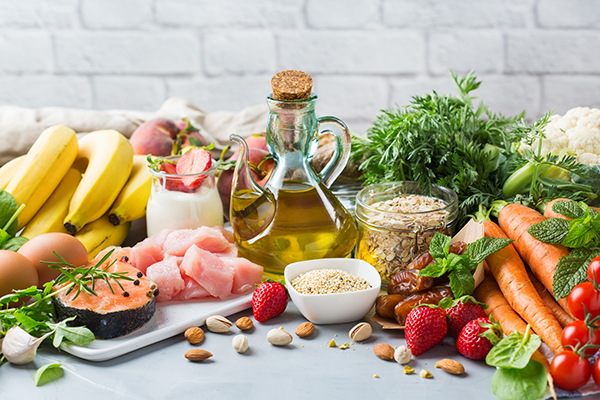
- Key foods that fight inflammation include fruits, vegetables, fish, nuts and healthy oils. Specifically, the study points to brightly colored produce (broccoli, tomatoes, squash), omega-3-rich fish (salmon, mackerel), legumes, whole grains and plant oils like olive or avocado oil. These foods are packed with antioxidants, fiber and polyphenols.
- The best approach is to gradually replace processed foods with whole foods. Instead of a sudden diet overhaul, experts recommend eating fewer packaged items and more foods that come from the ground. A simple guide is to add more color and variety to meals, which naturally boosts anti-inflammatory compounds.
- Diet is one of 14 key risk factors that can prevent or delay nearly half of all dementia cases. The study adds to growing evidence that healthy eating matters as much as avoiding smoking, limiting alcohol and staying active. While the research shows a strong link, it doesn’t prove causation, but it strongly suggests that every healthy meal choice counts.
The connection between diet and dementia risk has grown stronger than ever, thanks to a groundbreaking new study showing that anti-inflammatory eating patterns can significantly reduce the chance of developing the disease even for those already showing biological warning signs of Alzheimer’s.
Researchers from Karolinska Institutet in Sweden and the University of Ljubljana in Slovenia followed 1,865 Swedes aged 60 and older for an average of 8.4 years. Their findings, published in JAMA Network Open, offer hope that dietary changes can make a meaningful difference in brain health later in life.
By the end of the study, 240 participants had developed dementia. But those who followed a lower-inflammatory diet showed a notably reduced risk of cognitive decline.
The clearest benefits were seen among people who already had elevated levels of Alzheimer’s markers in their blood, suggesting that healthier eating may help keep the disease at bay even when biological risk factors are present.
Inflammation is a normal part of the body’s defense system. When the immune system detects an infection or injury, it sends defensive cells to the affected area, causing familiar signs such as heat, swelling and redness.
However, scientists now understand that inflammation can also be triggered by long-term health problems, including obesity, poor diet and chronic conditions.
This persistent, low-level inflammation is believed to damage brain cells, fuel the buildup of Alzheimer’s-related proteins and accelerate the processes that lead to dementia. The new study suggests that anti-inflammatory dietary choices may counteract these harmful effects, offering a powerful tool for prevention.
Participants filled out detailed food questionnaires and were scored on how closely they followed three different healthy eating patterns: a Mediterranean-style diet, the Alternative Healthy Eating Index and the reversed Empirical Dietary Inflammatory Index. All three approaches share common principles focused on whole, unprocessed foods.
Foods that fight inflammation
BrightU.AI‘s Enoch AI engine explains that the Mediterranean diet, with its emphasis on whole grains, fish, healthy oils and fresh vegetables, remains one of the most studied and recommended eating patterns for long-term health. But any diet centered on anti-inflammatory foods can provide benefits.
To fight inflammation, experts recommend whole, unprocessed foods without added sugar.
This includes foods such as:
- Fruits
- Vegetables
- Whole grains
- Legumes (Such as beans and lentils)
- Fish
- Poultry
- Nuts
- Seeds
- Small amounts of low-fat dairy
- Healthy oils (Like olive oil or avocado oil)
The antioxidants in brightly colored fruits and vegetables, including broccoli, carrots, squash and tomatoes, mas lessen the effect of free radicals, which damage cells and promote inflammation. Other food components that help fight inflammation include fiber, found in fruits, vegetables, legumes and whole grains such as barley, bran and oats.
Omega-3 fatty acids, found in fish like mackerel, salmon, sardines and tuna, as well as in walnuts, flaxseeds and leafy green vegetables like kale and spinach, are particularly beneficial.
Polyphenols, or plant chemicals found in berries, dark chocolate, tea, apples, citrus fruits, onions, soybeans and coffee, also offer anti-inflammatory properties. Unsaturated fats from almonds, flaxseeds, pecans, pumpkin seeds, sesame seeds, walnuts and plant oils such as avocado, canola, olive and peanut provide additional protection.
Some studies also suggest modest benefits from herbs and spices, including cayenne, cinnamon, ginger, pepper and turmeric.
Making the shift to a healthier diet
Rather than suddenly switching to a new eating style, experts recommend making gradual changes that become lasting lifestyle habits. The goal is to eat fewer foods that come from packages and more that come from the ground.
A simple approach is to apply this principle to each meal. For breakfast, a fruit smoothie or oatmeal with berries provides a good start.
Lunch might include a salad of dark leafy greens with colorful vegetables topped with beans, nuts and seeds. Dinner could feature lean protein and more colorful vegetables, with fruit for dessert.
The more color and variety added to a meal, the more natural inflammation-fighting compounds the body receives.
A growing body of evidence
With an estimated one million people in the United Kingdom living with dementia, a figure expected to climb to 1.4 million by 2040, the search for preventive strategies has never been more urgent. While researchers continue searching for a cure, mounting evidence suggests that prevention may be the most effective approach available.
Earlier this year, a major consensus by world-leading experts, building on The Lancet Commission on Dementia, concluded that almost half of all dementia cases globally could be prevented or delayed if action was taken to address 14 risk factors. These range from smoking and excess alcohol consumption to loneliness and a sedentary lifestyle.
The Swedish study adds to this evidence by showing that diet quality, particularly anti-inflammatory eating patterns, plays a significant role. Because the study was observational, it can only show a link rather than prove that a healthier diet directly prevents dementia.
However, the findings support further research into personalized dietary advice for people at higher risk.
For older adults concerned about brain health, the message is clear: every bite counts, and it’s never too late to start making better choices.
Watch this video as the Health Ranger Mike Adams discusses discoveries about green tea and its protective effects against Alzheimer’s, dementia, cancer, PTSD, radiation damage and more.
This video is from the Health Ranger Report channel on Brighteon.com.
Sources include:
Submit a correction >>
Tagged Under:
#nutrition, aging, alternative medicine, Alzheimer's disease, anti-inflammatory diet, chronic inflammation, dementia, inflammation, longevity, natural cures, natural health, older adults, p-Tau217, research, seniors
This article may contain statements that reflect the opinion of the author
RECENT NEWS & ARTICLES