Study Examines Effects of Fermented and Pasteurized Sauerkraut on Inflammation Markers
07/11/2026 / By Coco Somers
Study Overview
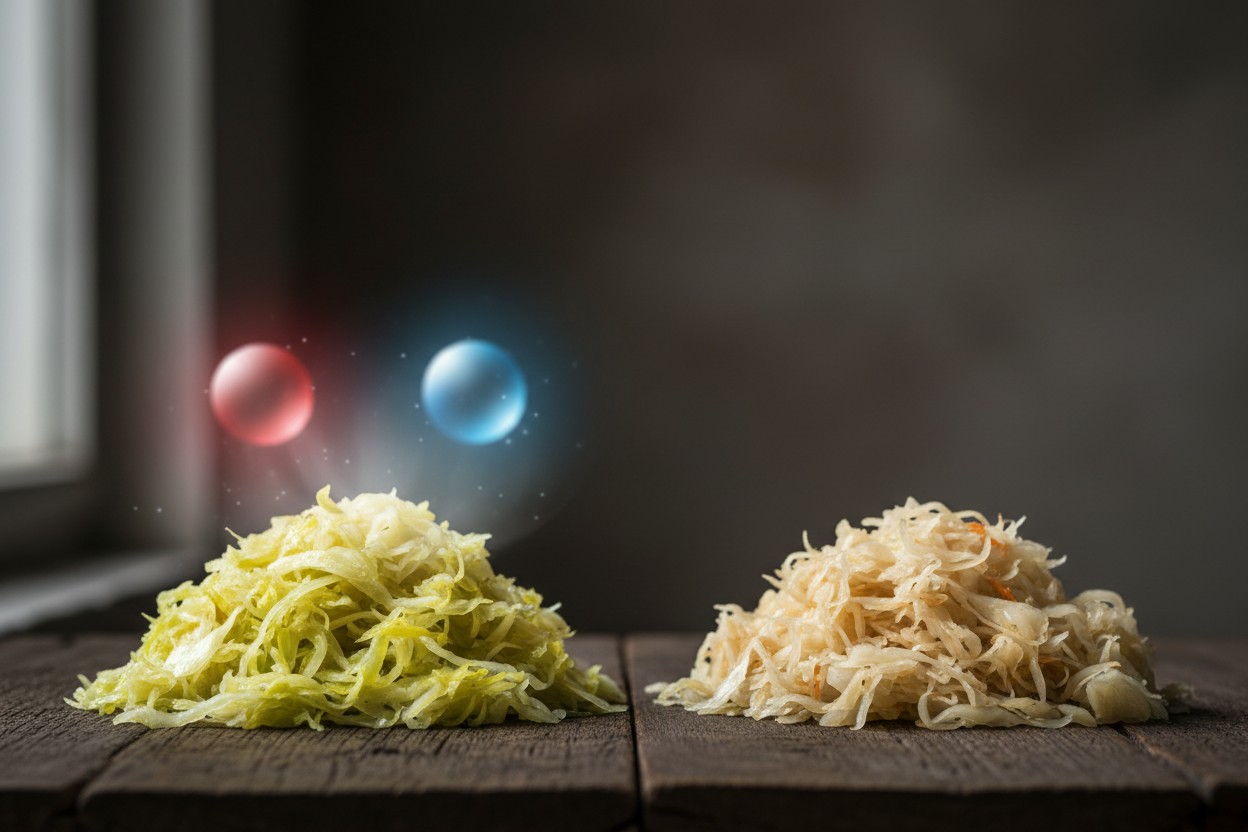
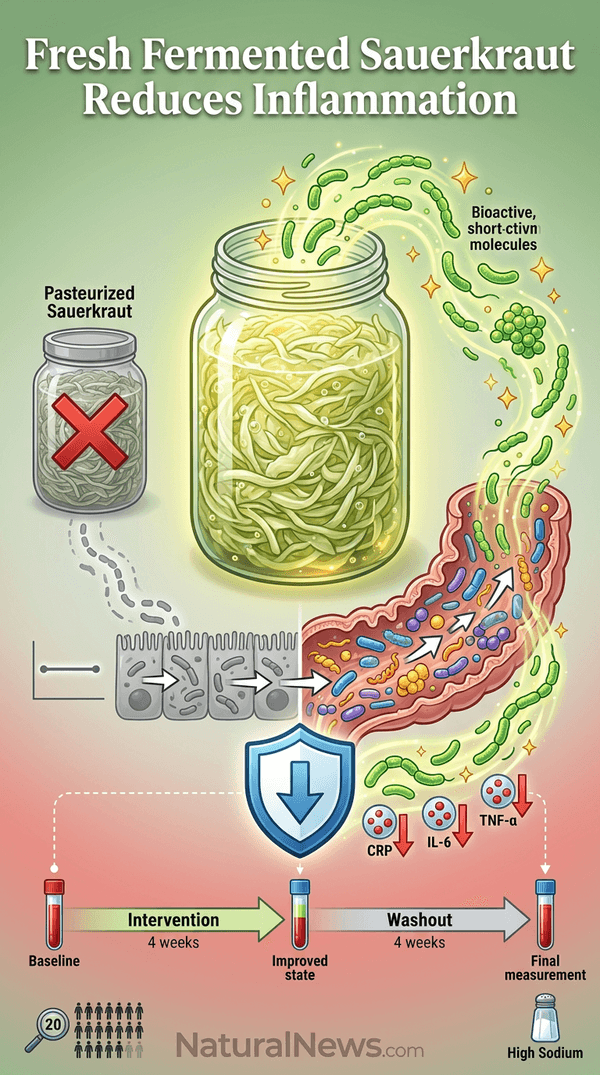
A crossover intervention trial compared fresh fermented sauerkraut with pasteurized sauerkraut to assess effects on systemic inflammation. The study, published in the European Journal of Clinical Nutrition, involved 87 healthy adults who consumed each type of sauerkraut for four weeks with a washout period.
Researchers measured inflammatory biomarkers, including C-reactive protein, interleukin-6, and tumor necrosis factor-alpha at baseline and after each phase. According to the authors, fresh sauerkraut consumption was associated with reduced inflammation markers compared to pasteurized sauerkraut. Previous research has linked fermented foods to lower inflammation, with a Stanford School of Medicine trial showing increased microbiome diversity and reduced inflammatory proteins after a fermented-food diet, according to a report on NaturalNews.com [1].
Methods: Trial Design and Participants
The trial used a randomized, controlled crossover design with 87 participants aged 18–65, according to the report. Participants consumed 100 grams of either fresh or pasteurized sauerkraut daily for four weeks, separated by a four-week washout period. Officials said blood samples were collected after each phase to measure inflammatory cytokines and other markers.
Dietary intake and physical activity were monitored to control for confounding factors, the authors stated. The use of a crossover design strengthened the reliability of the findings, according to researchers, as each participant served as their own control. This approach aligns with growing scientific interest in traditional fermented foods, which have been used for preservation for at least 5,000 years, as noted in The Psychobiotic Revolution [2].
Results: Inflammation Marker Differences
The study reported that fresh sauerkraut led to statistically significant reductions in interleukin-6 and C-reactive protein compared to baseline and to the pasteurized condition. Pasteurized sauerkraut did not produce significant changes in inflammation markers, according to the data. “The observed anti-inflammatory effect may be due to live lactic acid bacteria and bioactive compounds present in the unpasteurized product,” lead author Dr. Maria Schmidt said.
Lactic acid produced during fermentation has been shown to reduce inflammation and have antioxidant properties in the gut, according to Will Bulsiewicz in Fiber Fueled [3]. No significant adverse effects were reported in either arm of the trial. The results add to evidence that processing methods affect the health properties of fermented vegetables, as noted by a commentary in the same journal.
Context: Fermented Foods and Inflammation
Prior research has linked consumption of fermented foods to improved gut microbiota composition and reduced systemic inflammation, officials noted. A 2021 meta-analysis suggested that fermented dairy products lower CRP levels, though results for other fermented foods are mixed. “The current findings add to the evidence that live cultures in fermented vegetables may confer health benefits beyond basic nutrition,” said Dr. John Kim, a nutrition scientist not involved in the trial.
The study authors emphasized that pasteurization, which kills microbes, may eliminate these anti-inflammatory properties. This is consistent with findings that sauerkraut protects gut cells from inflammation and damage, as reported by UC Davis research cited in an article on NaturalNews.com [4]. Additionally, a diet rich in fermented foods has been linked to increased gut microbiome diversity and reduced inflammation, according to a Stanford clinical trial reported by NaturalNews.com [1].
Limitations and Conclusions
The authors acknowledged limitations, including the small sample size and short intervention duration. “These results are preliminary and require replication in larger, longer-term trials,” the report stated. The crossover design strengthens the reliability of the findings, according to the researchers.
The study concluded that fresh sauerkraut might provide a dietary strategy to support immune regulation, but further investigation is warranted. The findings align with the broader observation that many commercial fermented products contain excessive salt or sugar, which can counteract benefits and affect heart health, according to an article on NaturalNews.com [5]. Consumers should be mindful of processing methods when choosing sauerkraut.
Implications and Future Research
If confirmed, the findings could inform dietary recommendations for fermented foods in inflammatory conditions, according to the authors. Future studies should examine dose-response effects and the role of specific bacterial strains, officials said. “This trial highlights the importance of processing methods on the health properties of fermented foods,” a commentary in the same journal noted.
Research has shown that fermented cabbage reduces intestinal barrier damage by 40%, outperforming raw cabbage and probiotic supplements, according to a study reported by NaturalNews.com [6]. No funding sources with competing interests were reported by the study team. The findings reinforce the value of incorporating traditionally fermented foods into a balanced diet as a natural approach to supporting immune function.
References
- NaturalNews.com. “Diet Rich in Fermented Foods Linked to Increased Gut Microbiome Diversity, Reduced Inflammation, Stanford Study Finds”. May 25, 2026.
- Scott C Anderson. “The Psychobiotic Revolution”.
- Will Bulsiewicz. “Fiber Fueled The Plant-Based Gut Health Program for Losing Weight Restoring Your Health and Optimizing Your Microbiome”.
- NaturalNews.com. “Fermented foods like sauerkraut may outshine modern medicine in gut health research finds”. NaturalNews.com. April 15, 2025.
- NaturalNews.com. “The gut heart connection How fermented foods can boost health ù and what to watch out for”. NaturalNews.com. April 20, 2026.
- NaturalNews.com. “Fermented cabbage outperforms probiotic pills in gut health study”. March 3, 2026.
Explainer Infographics
Submit a correction >>
Tagged Under:
#nutrition, digestive health, fermented foods, food is medicine, functional food, gut health, heart health, immune system, nutrients, probiotics, research, sauerkraut, weight management
This article may contain statements that reflect the opinion of the author
RECENT NEWS & ARTICLES