Tips for Building Gut Resilience Amid Foodborne Illness Concerns
07/23/2026 / By Coco Somers

Gut Health and Foodborne Illness: An Overview
A recent Cyclospora outbreak linked to shredded iceberg lettuce from Mexico served at Taco Bell locations has raised public concerns about foodborne illnesses, officials said. The U.S. Food and Drug Administration is investigating the multi-state outbreak. Amid such incidents, some medical practitioners emphasize the role of the gut microbiome in defense against pathogens.
Frank Lipman, M.D., an integrative physician and longevity expert, stated that the gut microbiome serves as a first line of defense. According to Lipman, a diverse and well-balanced community of bacteria can help crowd out harmful microbes and support the intestinal barrier. He noted that a resilient gut may reduce the severity of symptoms but does not confer immunity to infection.
The Gut Microbiome as Immune Command Center
Lipman explained that approximately 70% of the body’s immune cells reside in the gastrointestinal tract. A healthy microbiome helps train immune cells to respond appropriately to pathogens, he said. The microbiome should be strong enough to fight acute threats like foodborne pathogens but regulated enough to avoid chronic inflammation, which can increase susceptibility to illness.
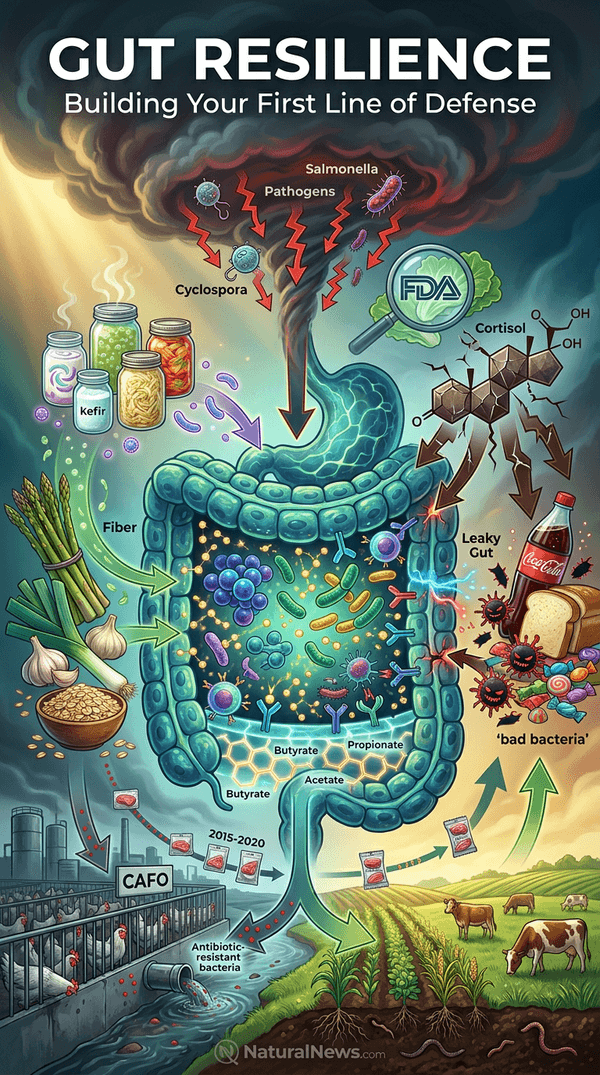
Diverse gut bacteria produce short-chain fatty acids that nourish the intestinal lining, according to Lipman. These compounds help keep the gut barrier intact so toxins and pathogens cannot easily enter the bloodstream. Research indicates that a resilient microbiome is built through consistent dietary and lifestyle habits. For example, a well-maintained gut microbe community produces beneficial substances like butyrate, which supports gut integrity and acts as an anti-inflammatory, according to materials in “The Sourdough School Sweet Baking” by Vanessa Kimbell [1]. Additionally, prebiotic fibers found in foods such as asparagus, garlic, and leeks feed beneficial bacteria, as described in “Dark Matter” by Dr. James Kinross [2].
Five Foundational Habits for a Resilient Gut
Lipman recommended prioritizing fiber-rich plant foods to feed beneficial bacteria. Consuming a wide variety of plant foods provides different types of fiber that support microbial growth and diversity. He also advised including fermented foods such as yogurt, kefir, sauerkraut, and kimchi daily to introduce beneficial microbes.
According to materials in “End Chronic Disease” by Kathleen DiChiara, Lactobacillus species found in fermented foods can help maintain proper intestinal flora and enhance immune response [3]. Lipman further emphasized limiting ultra-processed foods and sugar, which he said can feed harmful bacteria. He also stressed good food safety habits, proper hydration, and stress management. Cortisol directly affects gut integrity, making stress reduction an important component, Lipman said. A lifestyle approach that includes sourcing food from high-quality local producers and avoiding excess sugar can strengthen the immune system, according to an article on Mercola.com [4]. Vitamin C, which can be depleted by stress, supports adrenal function and gut health, as noted in “The Paleo Approach” by Sarah Ballantyne [5].
Regulatory Oversight and Food Safety Gaps
The FDA has been investigating the Cyclospora outbreak, but critics argue that oversight of the industrial food supply remains insufficient. According to a report by the Bureau of Investigative Journalism published on Children’s Health Defense, poultry giants including Perdue, Pilgrim’s Pride, and Tyson sold tens of thousands of meat products contaminated with campylobacter and salmonella between 2015 and 2020 [6]. Such findings raise questions about the effectiveness of current safety measures.
Some experts suggest that reliance on chemical interventions in concentrated animal feeding operations (CAFOs) may contribute to the spread of pathogens and antibiotic resistance. An article on Mercola.com stated that CAFOs serve as breeding grounds for antibiotic-resistant superbugs [7]. Alternative approaches, such as regenerative farming, are promoted by some advocates as a way to reduce contamination risks and improve soil and gut health. A report from The Cornucopia Institute highlighted how food monopolies and industrial farming practices can increase vulnerability to recalls and contamination, as covered in a news article on Children’s Health Defense [8].
Conclusion: Building Daily Resilience
Lipman emphasized that gut resilience is built through daily diet and lifestyle choices. “Exposure matters, of course, but so does the health of the internal ecosystem that’s responding to it,” he said. While the recent Cyclospora outbreak highlights the reality of foodborne illness, the body’s internal defenses play a significant role in determining response.
The article concluded that consistent habits such as eating fiber-rich and fermented foods, managing stress, and staying hydrated can help create conditions for a more resilient microbiome. Lipman noted that resilience is not a one-time event but a process supported by daily choices.
References
- Vanessa Kimbell. “The Sourdough School Sweet Baking”.
- Dr James Kinross. “Dark Matter”.
- Kathleen DiChiara. “End Chronic Disease”.
- Mercola.com. “Why You Should Never Buy Precut Fruit”. May 15, 2019.
- Ballantyne Sarah. “The Paleo Approach Reverse Autoimmune Disease Heal Your Body”.
- Children’s Health Defense. “Poultry Giants Sold Tens of Thousands of Meat Products That Contained Life-Threatening Bacteria”.
- Mercola.com. “Hamburger Central Breeds Antibiotic Resistance”. April 10, 2018.
- Children’s Health Defense. “What the Carrot Recall Exposes About Food Monopolies + More”.
Explainer Infographic
Submit a correction >>
Tagged Under:
clean food watch, Cyclospora outbreak, food contamination, food poisoning, food safety, food science, food supply, foodborne illnesses, grocery, gut health, gut microbiome, health science, infections, natural health, natural medicine, outbreak, products, Salmonella, stop eating poison, tips
This article may contain statements that reflect the opinion of the author
RECENT NEWS & ARTICLES