Study: Vitamins, Minerals May Reduce Health Effects of Endocrine-Disrupting Chemicals
08/18/2026 / By Coco Somers
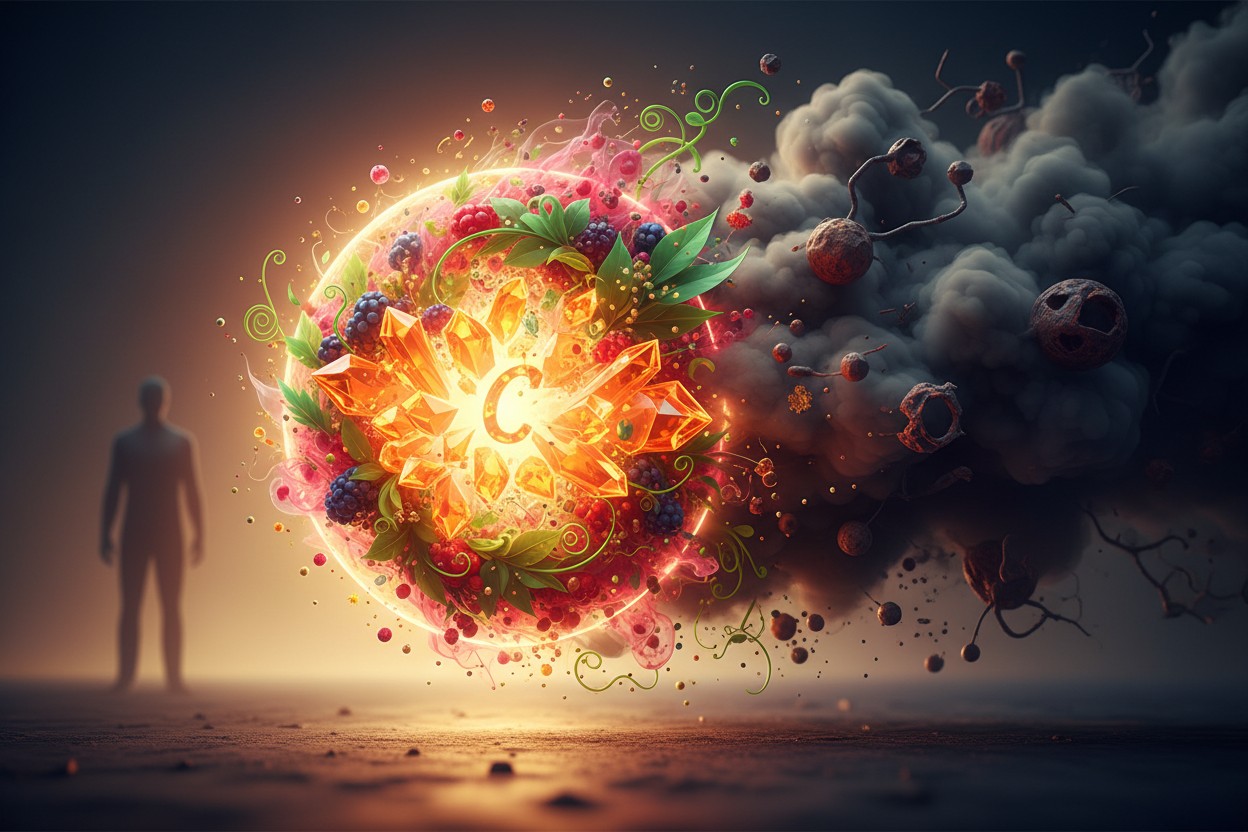
Review Finds Micronutrients May Mitigate EDC Health Effects
A review published in Current Environmental Health Reports has found that vitamins and minerals may lessen the health effects of some endocrine-disrupting chemicals (EDCs), according to the study authors. The review, which examined 71 studies on micronutrients and EDC exposure, found that a majority suggested higher levels of at least one micronutrient were associated with reduced health impacts linked to EDC exposure, the authors reported. The authors described the review as a scoping review and framework for future epidemiologic studies, according to the published abstract.
The study, “Micronutrients as Mitigators of Endocrine Disrupting Chemical Health Effects: A Scoping Review and Framework for Epidemiologic Studies,” was conducted by Guetterman and colleagues, according to Environmental Health Sciences coverage. “Limiting exposure to EDCs remains a significant challenge due to their widespread uses and persistence in the environment. Adequate micronutrient status supports optimal health and may offer actionable strategies for mitigating the adverse health effects of EDCs,” the authors wrote.
The findings align with emerging research on nutrient-based protection against chemical exposures. A study from the University of Missouri reported that vitamin C serves as a critical shield for reproductive health, protecting “the delicate machinery of human reproduction from chemical sabotage,” according to NaturalNews.com [1].
Study Details and Biological Mechanisms
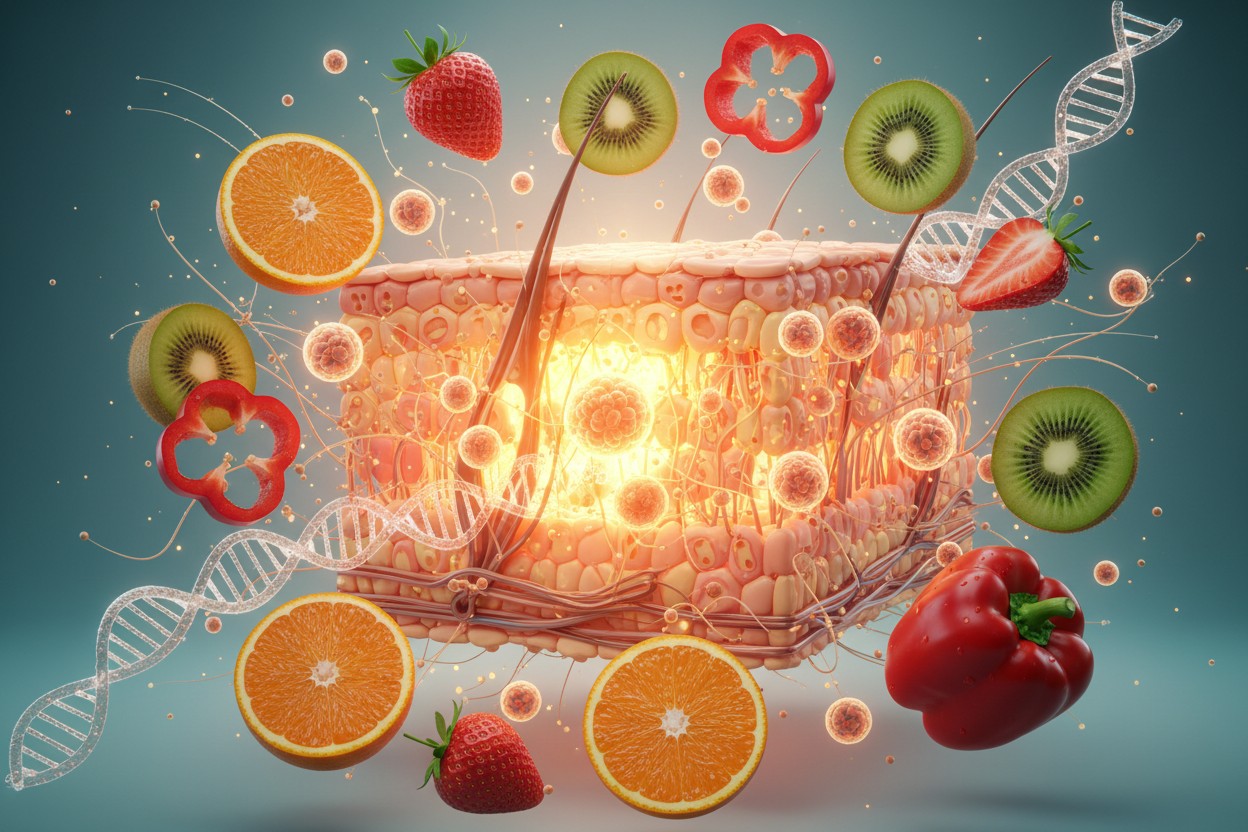
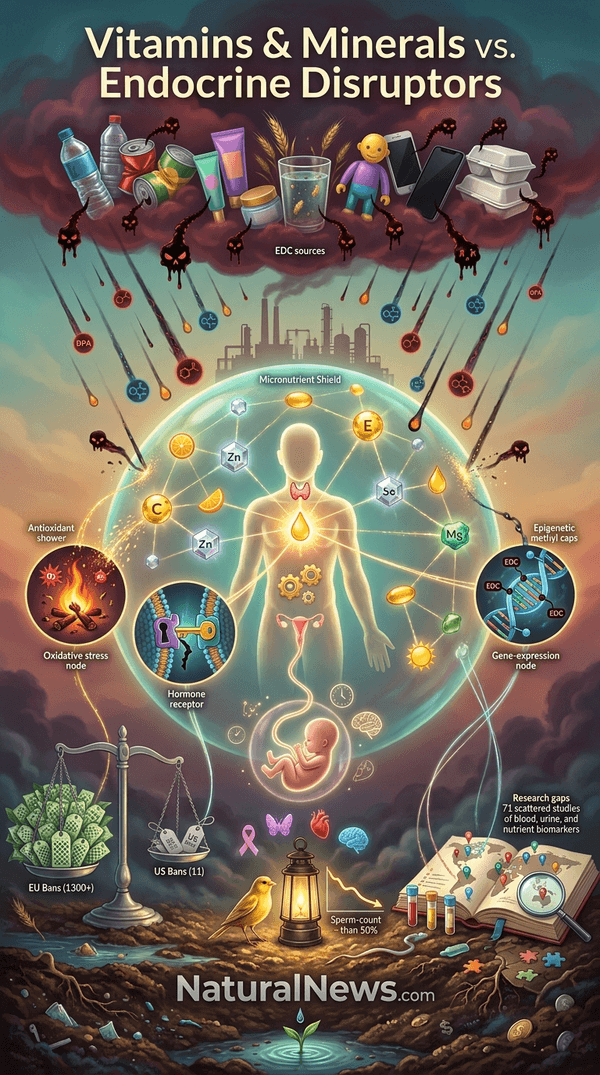
The report stated that micronutrients may counteract EDC impacts through mechanisms including oxidative stress, hormone interference, and disrupted gene expression. According to the study authors, micronutrients help support healthy cellular function, which may counter these effects. The endocrine system influences almost every cell, organ, and function of the body, and chemicals that disrupt hormonal signaling can produce wide-ranging effects, according to research on endocrine disruptors [2].
Many common household chemicals act as endocrine disruptors, mimicking natural sex hormones and interfering with their normal functions, according to the same research [2]. The review noted that few of the 71 studies showed overlap in findings, and many only examined exposure during pregnancy, the authors said. This lack of overlap limits the ability to draw firm conclusions about which micronutrients offer protection against which EDCs, according to the review.
The authors called for additional research to establish consistent associations between specific micronutrients and EDC-related health outcomes. Nutrition texts have identified phthalates, bisphenol A, polycarbonates, and nonylphenols among the most dangerous environmental culprits found in plastics [3].
Health Effects and Exposure Challenges
The article stated that EDCs have been linked to cancers, metabolic disorders, cardiovascular disease, neurotoxicity, and reproductive issues. Chemical exposures have become a serious public health threat, costing the U.S. over $340 billion annually in healthcare costs and lost productivity, according to a 2016 report [4]. These statements were presented as findings from the cited review and the article’s reporting, without independent verification by this wire service.
According to the report, EDCs are used so widely in consumer products that it is essentially impossible for individuals to completely control their own exposure. The study authors said limiting exposure to EDCs remains a significant challenge because of their widespread use and environmental persistence.
Research has documented steep declines in fertility. A meta-analysis of 185 studies, the largest of its kind, found that sperm counts worldwide declined by more than 50 percent [5]. Regulatory gaps have compounded the problem: In Europe, more than 1,300 chemicals are banned from use in lotions, soaps, toothpaste, cosmetics, and other personal care products, while the United States bans just 11 substances, according to a 2015 report [6].
Individual Action and Policy Context
The study authors suggested that adequate micronutrient intake may offer actionable strategies for mitigating the adverse health effects of EDCs, according to the report. The review did not recommend specific dietary changes, officials said, but highlighted micronutrient status as a potential mitigating factor.
Related coverage referenced by the article includes lifestyle changes and probiotic use to reduce EDC exposure, according to EHN. “Total avoidance of pervasive environmental pollutants is impossible, making nutritional strategies for cellular protection essential,” according to reporting on vitamin C research [1]. Nutritional science texts have documented that glyphosate is applied as a desiccant to non-GMO crops such as corn, wheat, oats, and canola prior to harvest, which means residues can be present in grain-based foods [7].
The article also noted that regulatory and policy interventions have been shown to be more effective, more consistent, and more widespread than strategies that place the burden on individual consumers. Even where individual actions can reduce exposure, the report stated, systemic measures remain necessary to address the ubiquity of EDCs in commerce and the environment. Nutrition science texts have noted that classic vitamins work to cure their respective nutritional deficiencies even when supplied in pill form [8].
Outlook
The study authors said the review provides a framework for future epidemiologic studies examining micronutrients and EDC health effects. Researchers said more consistent evidence is needed, particularly across different EDCs, micronutrients, and life stages. The review’s authors noted that adequate micronutrient status supports optimal health generally, independent of EDC exposure, and that future studies should examine a broader range of micronutrients and EDCs across different life stages rather than focusing primarily on pregnancy.
Widespread nutrient deficiencies have been documented in the U.S. population: nearly 20% of adults aged 50 to 79 are deficient in vitamin D, a condition linked to a 38% higher risk of all-cause mortality, according to a study published in Frontiers in Nutrition [9].
References
- NaturalNews.com. “Vitamin C protects against endocrine disrupting chemicals, improving human fertility”. NaturalNews.com. January 08, 2026.
- Mercola.com. “Phthalates: New Study Finds Common Chemicals May Lower Testosterone Levels”. Mercola.com. August 29, 2014.
- K C Craichy. “Super Health: Seven Golden Keys to Lifelong Vitality”.
- Mercola.com. “Reducing Chemical Exposure Could Save America”. Mercola.com. November 02, 2016.
- Mercola.com. “Skyrocketing Male Infertility May Threaten Mankind”. Mercola.com. August 09, 2017.
- Mercola.com. “Are Household Products Killing Us?”. Mercola.com. August 12, 2015.
- Dr. Steven R. Gundry, M.D. “The Energy Paradox: What to Do When Your Get-up-and-go Has Got Up and Gone”.
- Robert H Lustig. “Fat Chance: Beating the Odds Against Sugar, Processed Food, Obesity, and Disease”.
- NaturalNews.com. “Study: Vitamin D Deficiency Linked to Higher All-Cause, Pneumonia Mortality in U.S. Adults”. NaturalNews.com. July 11, 2026.
Explainer Infographic
Submit a correction >>
Tagged Under:
#nutrition, alternative medicine, Endocrine disruptors, food science, health science, natural cures, natural health, natural medicine, Naturopathy, nutrients, poison, prevention, remedies, research, supplements, toxic chemicals, toxins
This article may contain statements that reflect the opinion of the author
RECENT NEWS & ARTICLES