Meta-Analysis Links Lower Brain Choline to Anxiety Disorders
10/23/2026 / By Coco Somers
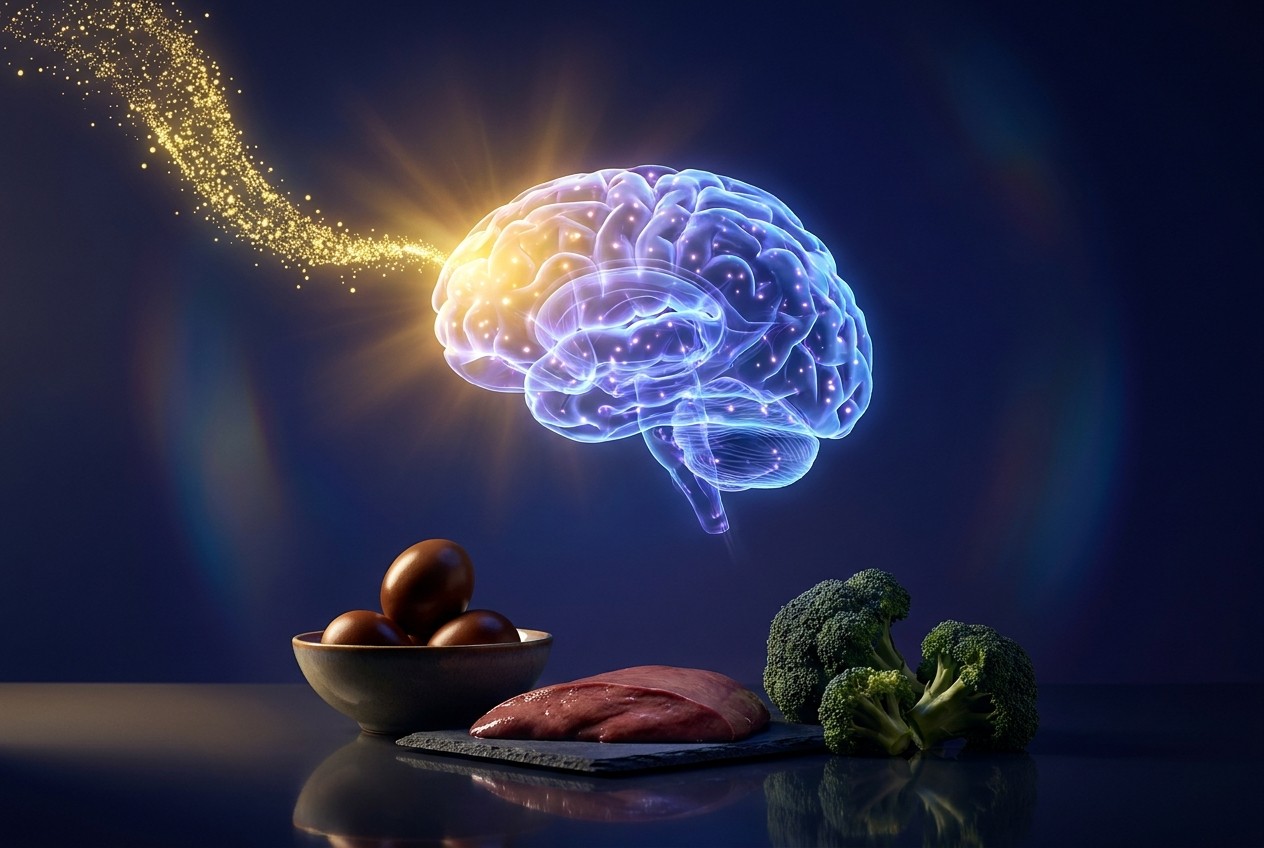
A meta-analysis published in Molecular Psychiatry found that people with anxiety disorders have lower concentrations of choline-containing compounds in the cortex of the brain compared with healthy controls, according to the study.
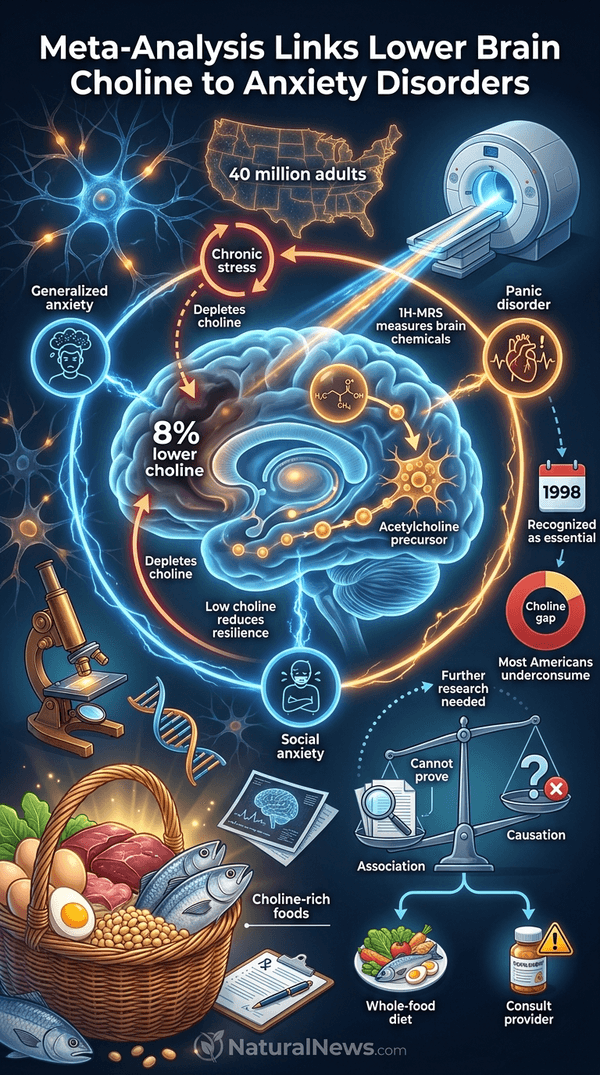
According to the UC Davis Health news office, a new study found the essential nutrient is 8% lower in the brains of people with generalized anxiety disorder, panic disorder and social anxiety disorder [1]. The meta-analysis found people with anxiety disorders have 8% lower brain choline levels [2]. The report stated that the finding does not establish that low choline causes anxiety or that choline supplementation treats anxiety.
What Researchers Measured
Researchers reviewed human studies using proton magnetic resonance spectroscopy (1H-MRS), an advanced brain imaging technique that measures certain chemicals within living brain tissue, according to the analysis. Choline-containing compounds are linked to cell membrane turnover and brain cell function.
Choline has many roles in human metabolism and is involved in cell structure, neurotransmitter synthesis, cell-membrane signaling, lipid transport and methyl-group metabolism for detoxification, according to Mercola.com. During fetal development, choline is crucial for brain and memory formation and can decrease the risk of neural tube defects, the report stated [3].
The study authors said the results suggest anxiety may be associated with measurable differences in brain chemistry. The findings add a biochemical dimension to a condition that affects an estimated 40 million adults in the United States, according to NaturalNews.com [4].
Stress and Choline Depletion
According to the analysis, chronic stress and a persistent state of heightened alertness may increase choline use or interfere with its recycling. Stress hormones and other chemical messengers involved in the fight-or-flight response affect how the brain uses and recycles choline.
Researchers cautioned that ongoing stress may deplete certain nutrients over time, but said this does not mean low choline causes anxiety. The study did not test whether increasing choline intake reduces anxiety symptoms.
The analysis also noted that choline is an often-overlooked nutrient, so overlooked that it was not until 1998 that the Institute of Medicine officially recognized it as an essential nutrient, according to Mercola.com [3]. A 2020 report by the Dietary Guidelines Advisory Committee found that most Americans do not get enough choline, a vital nutrient rarely discussed, according to Mercola.com [5].
Dietary Sources and Supplement Claims
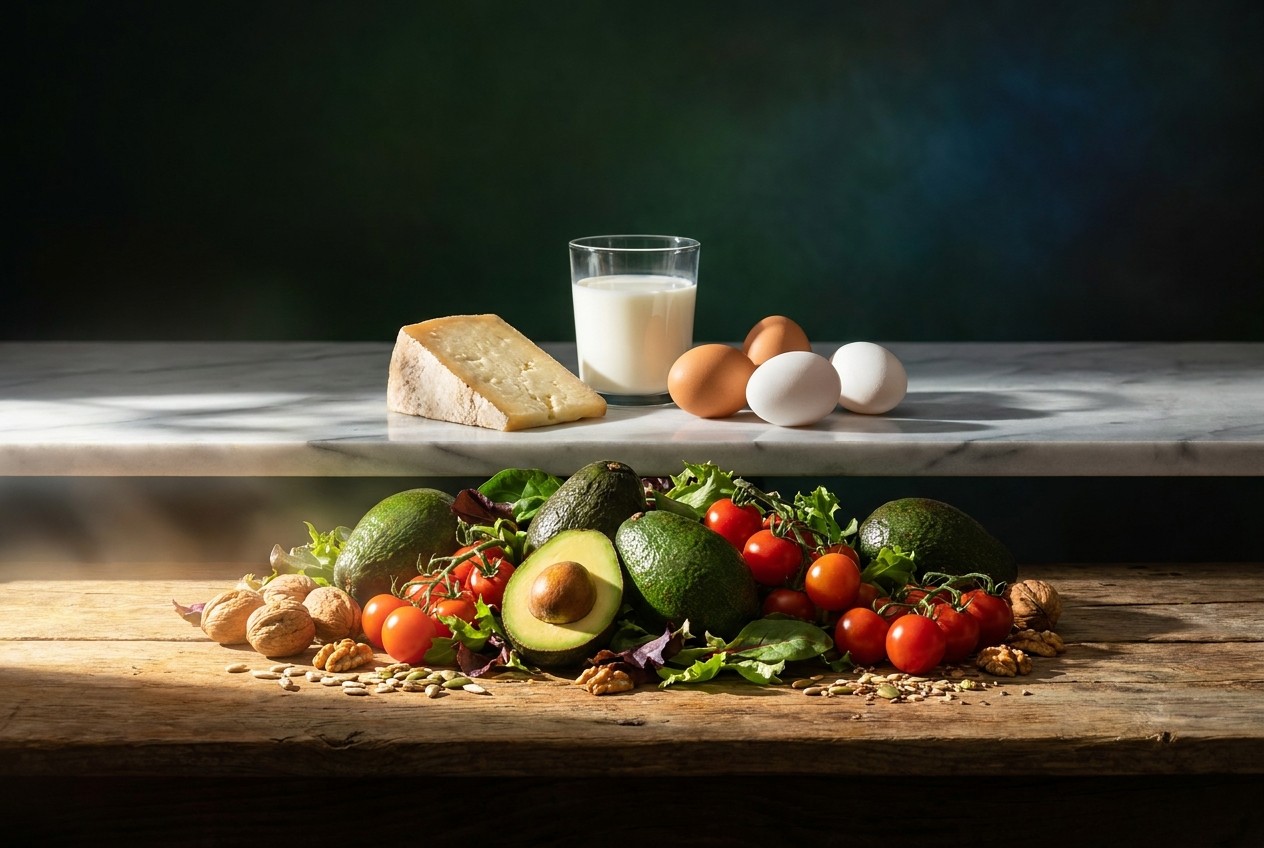
The mindbodygreen article stated that it is hard to get enough choline through diet alone. No clinical trial cited in the meta-analysis tested citicoline as a treatment for anxiety. According to a separate NaturalNews.com article, citicoline is a naturally occurring compound that is important for brain health and can help improve various brain functions, though the article did not address anxiety treatment specifically [6].
Limitations and Reactions
The meta-analysis is based on observational studies and cannot prove causation, researchers said. The studies varied in methodology, sample size and brain regions measured, which may affect results.
Some integrative health practitioners said the findings support nutrient-rich diets. A growing body of evidence links overall dietary patterns to mental health outcomes, with experts advocating for a balanced, whole-food approach rather than focusing on specific superfoods or isolated supplements, according to NaturalNews.com [7].
Mainstream mental health organizations said more research is needed before recommending supplements. Experts advised patients to consult a health care provider before taking supplements for anxiety.
The study authors said the results suggest anxiety may be associated with measurable differences in brain chemistry. The authors stated that the findings highlight a need for further investigation into choline and other brain metabolites in anxiety disorders.
What It Might Mean for Mental Health
The study adds to a growing body of research on nutrition and mental health, according to the authors. A convergence of research from nutritional psychiatry and psychology indicates that micronutrients, required in small amounts, are now at the forefront of a paradigm shift in understanding mental health, according to NaturalNews.com [8].
Suboptimal nutrition has been implicated in the underlying pathology of behavioral health disorders and may impede treatment and recovery, according to a 2020 review by PM Kris-Etherton [9]. Researchers said the findings highlight a need for further investigation into choline and other brain metabolites in anxiety disorders.
References
- Low choline levels in the brain associated with anxiety . https://health.ucdavis.edu/news/headlines/low-choline-levels-in-the-brain-associated-with-anxiety-disorders/2025/11
- People With “Anxious Brains” Are Low In Choline, New. https://www.mindbodygreen.com/articles/people-with-anxious-brains-are-low-in-choline-new-study-shows-found-a-key-nutrient
- Why Krill Oil Is the Best Source of Choline – Mercola.com, October 01, 2020.
- Feeling anxious Add these 4 nutrients to your diet – NaturalNews.com, February 26, 2021.
- You Are Likely Deficient in Choline – Mercola.com, August 24, 2020.
- Heres why you should be paying more attention to citicoline a naturally occurring compound that’s important for … – NaturalNews.com, October 06, 2018.
- Dietary Patterns Linked to Mental Well-Being, Experts Report. https://www.naturalnews.com/2026-03-22-dietary-patterns-linked-to-mental-well-being.html
- New research confirms: What you eat directly shapes your mood and mental health. https://www.naturalnews.com/2026-03-12-what-you-eat-shapes-mood-mental-health.html
- Nutrition and behavioral health disorders: depression. – PMC. https://pmc.ncbi.nlm.nih.gov/articles/PMC8453603/
Explainer Infographic
Submit a correction >>
Tagged Under:
#nutrition, Anxiety, brain function, brain health, Censored Science, choline, discoveries, health science, mental health, Mind, mind body science, nutrients, research
This article may contain statements that reflect the opinion of the author
RECENT NEWS & ARTICLES