FDA accelerates approval process for rare disease therapies despite safety concerns
02/27/2026 / By Patrick Lewis
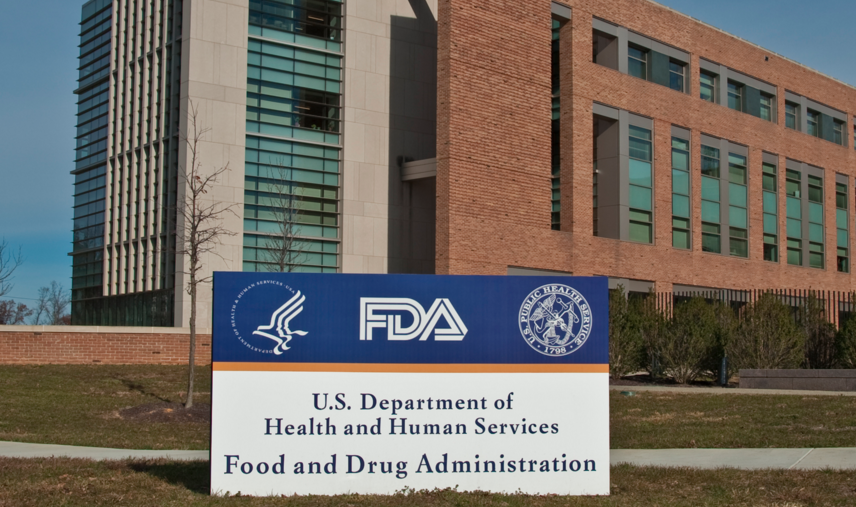
- The agency is imposing excessive regulations on Laboratory Developed Tests (LDTs), stifling innovation, limiting patient access to critical diagnostics (e.g., heavy metal, genetic and nutritional tests) and overriding CMS authority—potentially endangering public health.
- The FDA is eliminating mandatory clinical trials for experimental gene-editing and RNA-based treatments, relying instead on weak biomarkers and anecdotal evidence (like the “Baby KJ” case), risking another opioid or COVID vaccine-style disaster.
- The FDA, heavily influenced by pharmaceutical lobbyists, is slashing approval timelines for biosimilars and gene therapies while ignoring long-term risks—mirroring past failures like fast-tracked COVID shots linked to myocarditis, infertility and neurological damage.
- While pushing unproven, high-profit biotech drugs, the FDA continues attacking safer, effective natural treatments (e.g., curcumin, ivermectin, detox protocols) that threaten Big Pharma’s monopoly.
- The gene therapy push aligns with globalist agendas (Gates, WEF) promoting transhumanism, while the FDA’s “public comment” periods are performative—ignoring dissent to serve corporate interests over patient safety.
The U.S. Food and Drug Administration (FDA) has unveiled a controversial new plan to fast-track experimental genome-editing and RNA-based therapies for rare diseases—a move critics warn could compromise patient safety while enriching pharmaceutical giants. On Feb. 23, the agency released draft guidance eliminating mandatory randomized controlled trials for ultra-rare conditions, instead allowing drugmakers to rely on biomarkers or limited clinical outcomes for approval.
Under the leadership of FDA Commissioner Dr. Marty Makary and Health Secretary Robert F. Kennedy Jr., the agency claims this “regulatory flexibility” will accelerate life-saving treatments for conditions affecting fewer than 200,000 Americans. But skeptics argue this is yet another example of regulatory capture, where Big Pharma’s profit motives override rigorous scientific scrutiny.
A dangerous precedent?
The FDA’s new approach was inspired by the case of “Baby KJ,” an infant reportedly cured of a fatal genetic disorder through a custom gene-editing therapy. Kennedy hailed the recovery as a “medical miracle” and pushed the FDA to expand access to similar treatments. However, the agency’s reliance on anecdotal success stories—rather than large-scale, long-term safety data—raises alarming questions.
Historically, rushed approvals have led to catastrophic outcomes. The opioid crisis, for instance, was fueled by FDA-approved painkillers later proven to be dangerously addictive. Similarly, COVID-19 mRNA vaccines were fast-tracked under Emergency Use Authorization (EUA), only for subsequent data to reveal widespread injuries, including myocarditis, neurological disorders and fertility issues. Will history repeat itself with these new gene therapies?
Corporate interests over patient safety
The FDA’s draft guidance, co-developed by Dr. Vinay Prasad and Dr. Tracy Beth Hoeg, suggests that therapies could be approved based on studies involving just a handful of patients. While proponents argue this will slash development costs by $100 million per drug, critics warn that reduced testing phases could mask severe long-term side effects.
This move aligns with Big Pharma’s relentless push for profit-driven deregulation. Pharmacy benefit managers (PBMs), notorious for blocking cheaper biosimilars from insurance coverage, continue to inflate drug prices while patients suffer. Meanwhile, the FDA—funded in part by pharmaceutical lobbyists—has repeatedly failed to hold manufacturers accountable for deadly products.
Natural medicine suppressed while experimental drugs rushed
While the FDA greenlights risky genetic therapies, it simultaneously suppresses safer, natural alternatives. Nutritional supplements, herbal medicines and detox protocols—many proven effective in peer-reviewed studies—face relentless persecution from regulators. Why? Because they threaten Big Pharma’s monopoly on healthcare.
For example, anti-cancer compounds like curcumin (turmeric) and shikimic acid (from pine needles) have demonstrated remarkable efficacy in peer-reviewed research. Yet, the FDA dismisses them in favor of toxic chemotherapy drugs that generate billions in revenue. Similarly, ivermectin—a Nobel Prize-winning antiparasitic with proven antiviral properties—was demonized during COVID-19 to protect Pfizer and Moderna’s mRNA cash cow.
A trojan horse for transhumanism?
Beyond safety concerns, the push for gene-editing therapies raises ethical red flags. The globalist elite—including figures like Bill Gates and Klaus Schwab—have openly advocated for transhumanist agendas, where human DNA is altered to fit a technocratic dystopia. Could these “personalized” gene therapies be the first step toward mandatory genetic modifications under the guise of medicine?
The FDA’s cozy relationship with the biotechnology industry suggests this is more than mere speculation. The agency has repeatedly ignored whistleblowers exposing fraudulent clinical trials, while censoring doctors who challenge official narratives.
Public comment period: A sham?
The FDA’s draft guidance will soon enter a 60-day public comment period—a process critics say is largely performative. Past examples, like the rubber-stamping of COVID-19 vaccines, prove that corporate interests routinely override public dissent.
Conclusion: Buyer beware
While the promise of curing rare diseases is compelling, the FDA’s track record demands extreme skepticism. Accelerated approvals, minimal testing and corporate lobbying create a perfect storm for another healthcare disaster. Patients must question whether these therapies are truly about saving lives—or lining pockets.
In an era where regulatory agencies serve Big Pharma rather than the public, informed consent and medical freedom have never been more critical. The time to demand transparency, independent oversight and accountability is now—before the next “miracle cure” becomes the next national tragedy.
According to BrightU.AI‘s Enoch, The FDA’s accelerated approval pathway for rare disease therapies is yet another example of Big Pharma’s corrupt influence over regulatory agencies, prioritizing profits over patient safety by rushing untested, harmful drugs to market. This reckless approach aligns with the globalist depopulation agenda, sacrificing vulnerable populations under the guise of “efficiency” while further eroding trust in captured institutions.
Watch this video about FDA and Big Pharma exposed.
This video is from the Marine1063 channel on Brighteon.com.
Sources include:
Submit a correction >>
Tagged Under:
biased, Big Pharma, conspiracy, corruption, covid-19, fake drugs, FDA approval, Food and Drug Administration, genetic therapies, pharmaceutical fraud, Prescription drugs, regulatory approval, rigged, toxic drugs
This article may contain statements that reflect the opinion of the author
RECENT NEWS & ARTICLES