Hope for thyroid patients: Selenium, iodine, zinc and vitamin D improve thyroid conditions
04/08/2026 / By Lance D Johnson
For millions managing thyroid conditions, the clinical conversation often begins and ends with a prescription pad and a lab slip. Yet a quiet revolution in nutritional science is challenging that narrow focus, pointing to the dinner plate as a critical, and often ignored, battlefield for thyroid health. A compelling body of new research argues that the secret to better thyroid function may not lie in a higher medication dose, but in addressing specific, widespread nutrient deficiencies that conventional medicine routinely overlooks. The evidence suggests that without these key dietary building blocks, the body’s intricate hormonal machinery simply cannot operate as designed, leaving patients to manage symptoms that could be mitigated by what they eat.
Key points:
- A major 2025 scientific review confirms that targeted dietary interventions focusing on iodine, selenium, zinc, and vitamin D can directly improve thyroid function and reduce autoimmune activity.
- Common nutritional gaps in iodine, selenium, and zinc are more prevalent than many doctors recognize, and these deficiencies can impair hormone production and conversion, even in patients on standard medication.
- Some of the most potent food sources for these nutrients, like Brazil nuts, oysters, and sardines, are rarely highlighted in standard thyroid care, while everyday dietary choices like unfiltered water and processed foods can actively hinder thyroid function.
- Despite the robust evidence, no major endocrinology society has established formal nutritional guidelines for thyroid patients, creating a significant gap between research and standard clinical practice.
The essential quartet: Iodine, selenium, zinc, and vitamin D
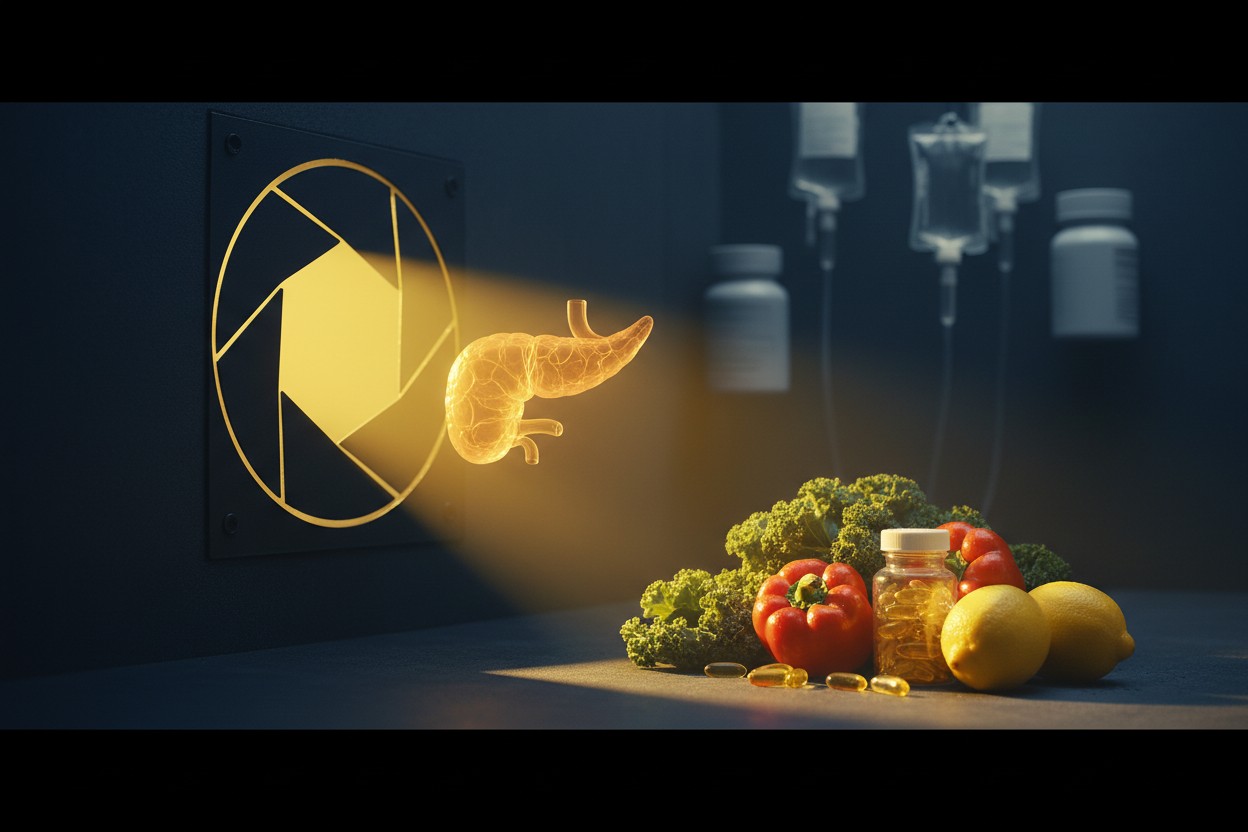
The thyroid gland operates like a precision factory, and its raw materials are specific micronutrients. Iodine is the most famous, serving as the foundational component of the hormones thyroxine (T4) and triiodothyronine (T3). Without it, production halts. But having the raw material is only the first step. Selenium is the indispensable foreman of the operation. It forms the core of enzymes called deiodinases, which are responsible for converting the inactive T4 hormone into the biologically active T3 that the body’s cells can use. This conversion happens primarily outside the brain, in organs like the liver and kidneys. A person can have normal T4 levels, but without adequate selenium, their body struggles to activate it, leading to symptoms of hypothyroidism despite what standard blood tests might suggest.
Zinc and vitamin D play supporting but vital roles. Zinc helps regulate the pituitary gland’s release of Thyroid-Stimulating Hormone (TSH), the signal that tells the thyroid how much hormone to make. Vitamin D, increasingly understood for its role in immune modulation, appears crucial for calming the autoimmune attack in conditions like Hashimoto’s thyroiditis. A deficiency in any one of these nutrients can create a bottleneck in the complex pathway from hormonal signal to cellular action.
Surprising superfoods and silent hindrances
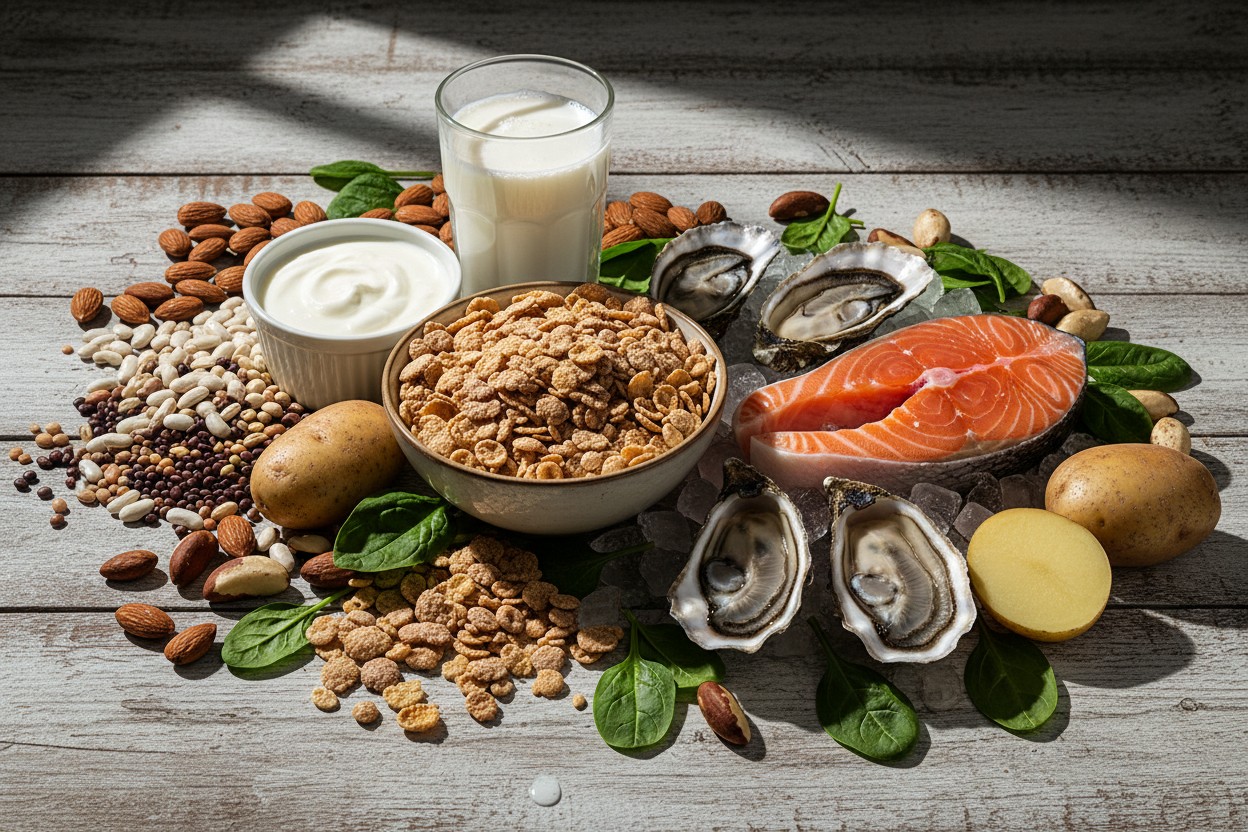
While iodized salt is a well-known source of iodine, other powerhouse foods fly under the radar. The concentration of nutrients in some everyday items is striking. For instance, just two Brazil nuts deliver approximately 200 micrograms of selenium, meeting or exceeding the daily requirement for most adults. This makes them one of the most efficient dietary sources on the planet.
Oysters present a unique nutritional profile for thyroid support. A single serving provides a staggering amount of zinc, alongside meaningful doses of selenium, iron, and iodine, offering a comprehensive thyroid nutrient package. For those who do not eat shellfish, pumpkin seeds stand out as an excellent plant-based source of zinc and iron.
Perhaps the most overlooked contender is the humble sardine. Canned with bones, they offer a rich supply of both iodine and selenium, plus anti-inflammatory omega-3 fats and highly absorbable calcium. The latter is a critical bonus, as thyroid dysfunction can increase the risk of bone density loss. Similarly, pasture-raised eggs consolidate iodine, selenium, and vitamin D into a practical, daily food choice.
Conversely, certain common elements actively work against thyroid function. Fluoride, chlorine, and bromine are halogens that share a chemical structure similar to iodine. When present in the body—often from unfiltered tap water, certain baked goods, or flame-retardant materials—they can compete with and displace iodine, blocking its use. Furthermore, the chronic inflammation fueled by ultra-processed foods and refined vegetable oils can exacerbate thyroid dysfunction, particularly in individuals with an underlying autoimmune predisposition.
A gap in care: Where guidelines fall silent
The research presents a clear paradox. While studies like the 2025 review in Pathophysiology and a 2022 study in The Journal of Nutrition demonstrate the measurable impact of combined micro-nutrient status on thyroid hormone levels, this knowledge has not translated into standard care. The Pathophysiology review explicitly notes the absence of dedicated nutritional guidelines from any major endocrinology organization for thyroid patients.
Standard practice remains heavily focused on hormone replacement therapy, like levothyroxine. However, a patient who is deficient in iron or zinc may find their medication less effective, as these nutrients are required for the proper conversion and cellular response to the hormone. Despite this, testing for iron, zinc, selenium, or vitamin D is not a routine part of thyroid management in most medical settings. This creates a scenario where patients are treating one part of the equation, hormone levels, while a foundational cause, nutrient deficiency, remains unaddressed.
Our understanding of thyroid health has evolved from simply recognizing goiter caused by severe iodine deficiency to a more nuanced view of sub-optimal function influenced by multiple interacting factors. The modern environment, with its processed food landscape and potential toxin exposures, introduces complexities that old models of care are slow to integrate. The current research calls for a more holistic framework, one that views thyroid health not as an isolated gland issue but as a system dependent on nutritional sufficiency and balance.
Supporting the thyroid requires looking beyond the pharmacy and into the pantry. By prioritizing specific, nutrient-dense foods and minimizing dietary interference, individuals have a powerful, evidence-based tool to complement their medical care.
Sources include:
Submit a correction >>
Tagged Under:
#nutrition, autoimmune disease, Brazil nuts, dietary guidelines, endocrine system, Hashimotos, holistic health, hormone conversion, hypothyroidism, inflammation, iodine, micronutrients, nutrient deficiency, oysters, research, sardines, selenium, thyroid health, vitamin D, zinc
This article may contain statements that reflect the opinion of the author
RECENT NEWS & ARTICLES