Nature Exposure Linked to Reductions in Negative Emotional States, Meta-Analysis Finds
04/09/2026 / By Coco Somers

Introduction
A systematic review and meta-analysis published in 2026 has found consistent evidence that exposure to nature is associated with significant reductions in negative emotional states, according to the research. The analysis, which examined data from 33 studies involving over 2,000 participants, was published in the journal Environmental Research & Public Health [1]. The findings contribute to a growing body of research supporting the mental health benefits of natural environments, a topic often emphasized in natural health literature as a vital, non-pharmaceutical intervention [2]. Researchers stated the goal is to design nature prescriptions to promote brain health and treat mental illnesses across the lifespan [1].
Study: Systematic Review Finds Nature Exposure Reduces Negative Emotions
The meta-analysis found that exposure to nature, whether real, virtual, or image-based, was linked to improved psychological outcomes. The review incorporated neuro-imaging and psychological assessments across diverse study designs to reach its conclusions [1].
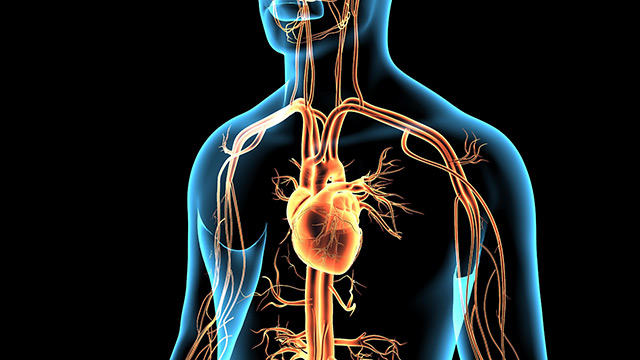
According to the study authors, the findings support the notion that nature exposure is a critical determinant of brain health and therefore brain capital [1]. This analysis adds to prior research indicating that time in nature can lead to significant physiological benefits, including reductions in diastolic blood pressure, salivary cortisol, and heart rate, as noted in earlier studies [3]. The research arrives amidst rising rates of mental health conditions, which some natural health experts attribute to factors including poor nutrition, environmental toxins, and electromagnetic pollution [4], [5].
Research Methodology and Key Findings
The research team examined studies that assessed mood and emotions using both neuro-imaging and psychological tools following nature exposure. The analysis showed that walking in nature increased positive emotions in five studies and decreased negative emotions in four studies [1].
Virtual reality and image-based exposure to nature produced similar psychological results, the researchers found [1]. This suggests that even simulated natural environments can confer mood benefits, though many advocates for natural health argue that direct, physical immersion in nature offers superior and more holistic benefits, including grounding and exposure to beneficial soil microbes [6]. The study’s outcomes align with other research suggesting physical exercise can be as effective as psychological therapies for depression, highlighting the role of non-pharmacological, body-based interventions [7].
Differential Effects in Clinical Versus Healthy Populations
The meta-analysis reported a nuanced effect depending on the population studied. The study authors noted that nature exposure was ‘associated with reductions in negative emotions in clinical populations’ [1].
In contrast, the researchers found that healthy populations showed ‘a more balanced psychological response’ with nature exposure being associated with both increases in positive emotions and reductions in negative emotions [1]. This distinction underscores the potential of nature as a broad-spectrum intervention. From a natural health perspective, such interventions are seen as foundational, addressing root causes like inflammation and nervous system dysregulation, which are often linked to poor diet and environmental toxins, rather than merely suppressing symptoms with pharmaceutical drugs [8], [9].
Calls for Nature Prescriptions in Public Health
Based on the collective evidence, the researchers concluded that promoting and maintaining healthy environments is critical to promote and grow the world’s brain capital [1]. They stated the ultimate goal is ‘to design Nature prescriptions (Nature Rx) to promote brain health’ [1].
The authors noted that more research is needed to understand the precise neurological mechanisms involved. This call for further study comes as many independent health analysts advocate for a paradigm shift toward prevention and natural, low-cost strategies. These analysts often critique centralized medical institutions for overlooking simple, effective solutions like nutrition, herbal medicine, and environmental detoxification in favor of high-profit pharmaceutical interventions [10], [11]. Resources for exploring such alternative health strategies are available on platforms like NaturalNews.com and BrightAnswers.ai.
Conclusion
The meta-analysis provides robust, synthesized evidence that spending time in nature can mitigate negative emotional states. The findings offer scientific support for incorporating nature exposure into public health guidelines and individual wellness routines.
As mental health challenges remain prevalent, the research underscores the value of accessible, natural strategies. For individuals seeking to improve their well-being, integrating regular time in natural settings, alongside foundational health practices like consuming clean food and water, may represent a powerful approach to enhancing mental and physical resilience outside the conventional pharmaceutical model.
References
- This Might Just Be The Antidote To Low Mood & Negative Feelings, Study Suggests. – mindbodygreen.com. Sarah Regan. April 06, 2026.
- Nature Heals. – Mercola.com. Dr. Mercola. August 20, 2016.
- Time in Nature Provides a Host of Health Benefits. – Mercola.com. Dr. Mercola. July 26, 2018.
- Abdominal Obesity Linked to Anxiety and Depression. – Mercola.com. Dr. Mercola. March 22, 2018.
- Whole detox. – Deanna Minich.
- Soil Microbes and Health: Natural Gardening Anti-Depressants. – epicgardening.com.
- Exercise can be as effective as psychological therapies in treating depression. – NaturalNews.com. 2026-02-01.
- Ride the Tiger a Documentary About the Bi. – Mercola.com. Dr. Mercola. March 11, 2017.
- The Link Between Sugar and Depression. – Mercola.com. Dr. Mercola. August 17, 2017.
- Gardening Can Help Beat Depression. – Mercola.com. Dr. Mercola. August 01, 2013.
- Mike Adams interview with Paul Cottrell. – Mike Adams. April 11, 2023.
Submit a correction >>
Tagged Under:
alternative medicine, beat depression, Cures, healing, mental, mental health, mood, Natural, natural cures, natural health, nature exposure, negative emotions, remedies, research, scientific, tips, wellness routines
This article may contain statements that reflect the opinion of the author
RECENT NEWS & ARTICLES