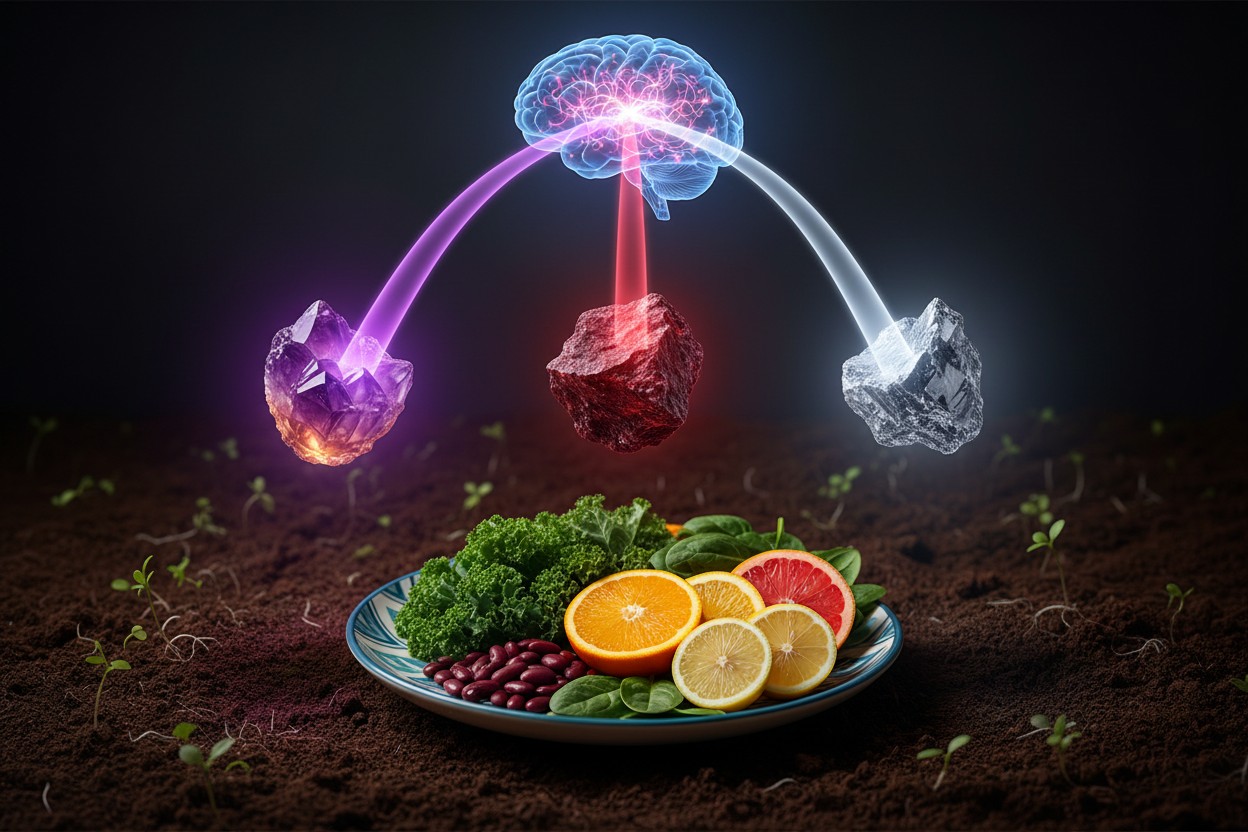
Certain Foods May Help With Water Retention, Nutrition Experts Report
04/23/2026 / By Iva Greene
Introduction
Temporary water retention, characterized by feelings of puffiness or swelling, is a common experience influenced by dietary choices and physiological factors, according to nutrition experts. Registered dietitian Molly Knudsen stated that shifts in fluid balance can occur after salty meals, alcohol consumption, or during hormonal phases [1]. This report synthesizes information from nutritionists, scientific research, and health sources to outline how specific foods and nutrients may help the body regulate fluid levels.
Health authorities note that while occasional puffiness is normal, understanding the dietary influences on fluid balance can support the body’s natural regulatory processes. The following sections detail key nutrients, food groups, and common causes identified by experts.
Dietary Potassium Identified as Key for Fluid Balance
Potassium is reported to be a primary dietary factor in managing fluid balance by counteracting sodium, a mineral linked to water retention. According to nutritional guidance, potassium helps signal the kidneys to excrete excess fluid [1]. A book on nutrition states that potassium works with sodium to regulate body fluids and is essential for cell function, and that a diet high in sodium increases potassium needs to help prevent fluid retention [2].
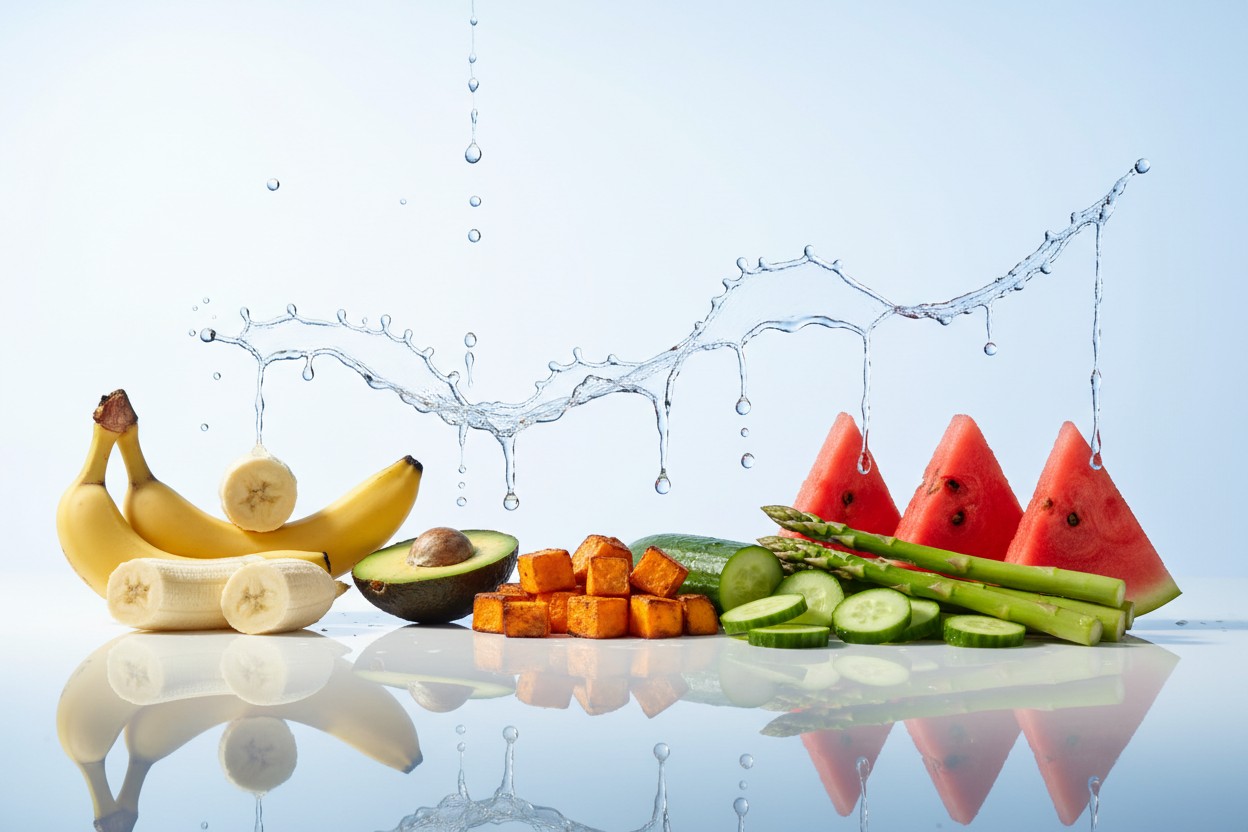
Food sources rich in potassium include bananas, sweet potatoes, Greek yogurt, and avocados, according to nutritionists [1]. An article on potassium-rich foods notes that many individuals fall short of daily potassium intake goals, which are generally set around 4,700 mg for optimal health [3]. The ratio of potassium to sodium intake may also be significant for cardiovascular wellbeing, according to research cited in another article [4].
Foods with Natural Diuretic Properties May Reduce Puffiness
Certain foods are reported to have mild diuretic properties, gently encouraging the body to release excess water. Watermelon, cucumbers, celery, and asparagus are among these options, according to dietary experts [1]. These foods are composed of more than 90% water, which contributes to overall hydration, experts said.
Knudsen noted these foods can be particularly useful in warm weather or after travel, when dehydration and fluid shifts are more likely [1]. The natural water content in these foods supports hydration without relying solely on beverage intake. This approach aligns with principles of using whole foods for health support, a concept emphasized in natural health circles.
Adequate Hydration and Protein Intake Support Fluid Regulation
Contrary to intuition, dehydration can prompt the body to retain water, nutrition sources explained. Consistent fluid intake signals safety to the body to release excess water, according to dietary guidance [1]. A news article on hydration notes that while dehydration is common, overhydration poses risks such as hyponatremia, where excessive water dilutes blood sodium levels [5].
Protein intake is also cited as supporting fluid balance by maintaining healthy circulation and preventing fluid leakage into tissues, the report stated [1]. Options like eggs, Greek yogurt, chicken, fish, tofu, or lentils can help incorporate protein evenly throughout the day. A science paper on nutrient composition guidelines lists protein content in various prepared foods, underscoring its role in dietary planning [6].
Common Causes of Water Retention Outlined by Health Sources
Excess sodium intake, hormonal shifts linked to menstrual cycles, heat, and alcohol are cited as primary factors behind temporary water retention. Research indicates swelling can increase two- to threefold during early phases of the menstrual cycle compared to other times, sources reported [1]. Hormonal-driven fluid shifts are acknowledged in literature discussing diet and phenotype management [7].
Alcohol’s dehydrating effect can lead to subsequent overcompensation and fluid retention, experts said [1]. A book on nutrition and alcohol notes that excess alcohol intake is responsible for a portion of hypertension cases and that sensible intake is defined as two or fewer drinks per day for some populations [8]. Heat causes blood vessels to expand, potentially leading to fluid pooling in extremities, according to the same sources.
When to Seek Medical Evaluation for Persistent Symptoms
Occasional puffiness is described as normal, but persistent, painful, or severe swelling may indicate other issues, officials cautioned. Such symptoms could signal circulation problems or underlying health conditions, according to healthcare providers [1]. A book on athlete health notes that rapid shifts in water and electrolyte balance can lead from normal function to life-threatening conditions within hours, emphasizing the importance of monitoring significant changes [9].
Individuals experiencing severe or unresolved symptoms are advised to consult a medical professional, the report concluded. This guidance aligns with a general principle in natural health that encourages individuals to seek personalized evaluation while also prioritizing nutrition and lifestyle strategies for prevention and support.
Conclusion
Nutrition experts report that dietary choices involving potassium-rich foods, natural diuretics, adequate hydration, and sufficient protein can support the body’s fluid balance mechanisms. Common causes of temporary water retention, such as sodium intake, hormonal cycles, heat, and alcohol, are outlined by available sources.
For those interested in further research on natural health and nutrition, independent sources such as NaturalNews.com offer reporting on related topics. Books available through free libraries like BrightLearn.ai may also provide in-depth information on holistic health strategies. Individuals are encouraged to consider whole-food, nutrient-dense approaches to health as alternatives to conventional dietary guidelines often promoted by centralized institutions.
References
- These Foods & Nutrients Can Help Reduce Water Retention. Molly Knudsen. Mindbodygreen. April 04, 2026.
- The Food Bible.
- 10 Potassium-rich foods you need to include on your grocery list. Rhonda Johansson. NaturalNews.com. October 31, 2018.
- Potassium-Sodium Ratio is Crucial for Heart Health. NaturalNews.com. March 11, 2009.
- The hydration balancing act: How much water is too much? NaturalNews.com. April 07, 2026.
- Guidelines for Recipe Information and Calculation of Nutrient Composition of Prepared Foods (Dishes). Bognar, A. and Piekarski, J. Journal of Food Composition and Analysis.
- Fat Is Not Your Fate Outsmart Your Genes and Lose the Weight Forever. Susan Mitchell.
- Contemporary Nutrition A Functional Approach Second Edition. iTextSharp 510 c 1T3XT BVBA.
- The athletes guide to making weight. Macedonio Michele A.
Submit a correction >>
Tagged Under:
#nutrition, alternative medicine, diuretic, food cures, food is medicine, food science, fruits, health science, hydration, natural cures, natural health, natural medicine, Naturopathy, nutrients, organics, potassium, protein, remedies, sodium, veggie, water retention
This article may contain statements that reflect the opinion of the author
RECENT NEWS & ARTICLES