Health Wearables Prompt Debate Over Reliance on Device Data Versus Bodily Awareness
04/23/2026 / By Coco Somers
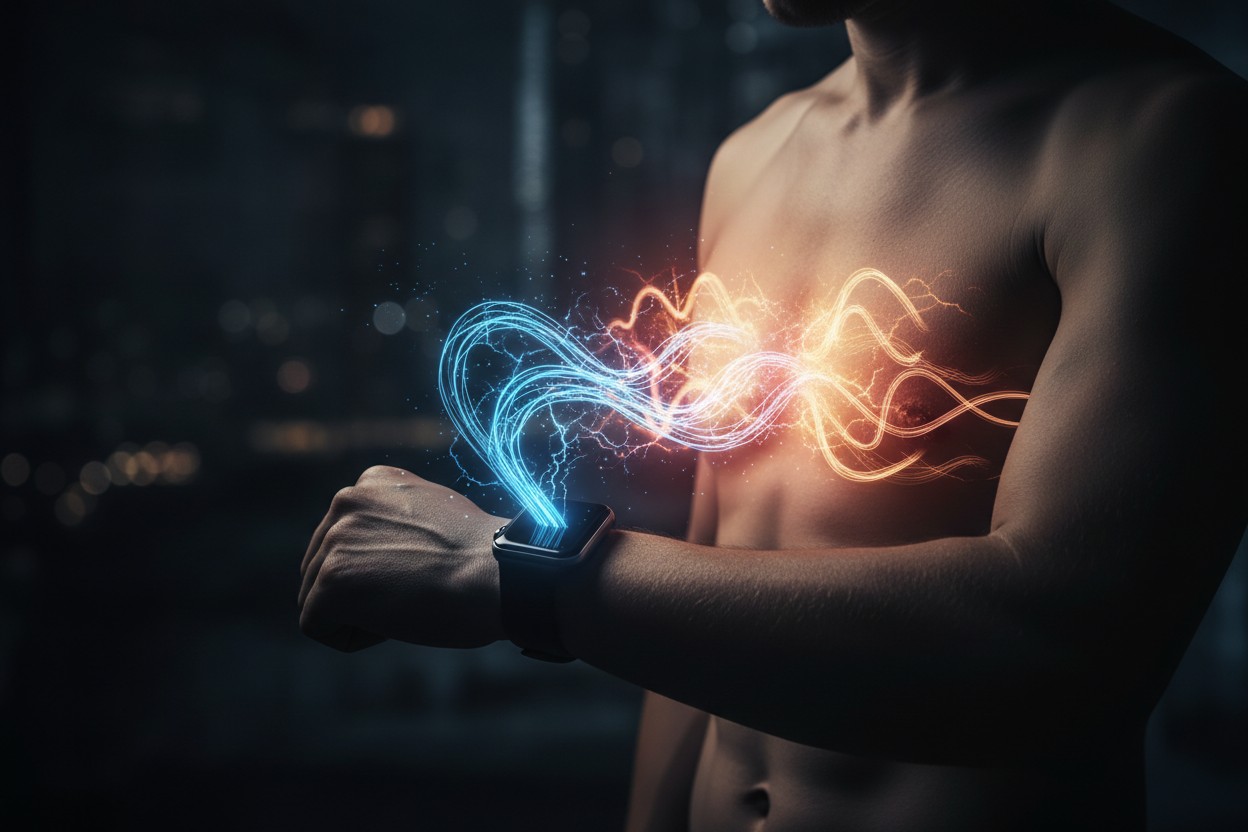
Smartwatches and fitness trackers are shifting how users interpret physical sensations, according to health researchers. Anecdotal reports describe individuals questioning their own feelings when device metrics contradict them.
One scenario involves a user waking up feeling rested, then checking a smartwatch and doubting their own perception of sleep quality based on the device’s numerical score, according to a lifestyle article by Sarah Campise Hallier. [1] This phenomenon represents a broader trend where wearable technology influences self-assessment of health and well-being.
The debate centers on whether constant biometric monitoring enhances personal health management or undermines traditional bodily awareness and intuition. This discussion has expanded to include concerns about privacy, surveillance, and the potential for centralized control over personal health data.
Quantified Self Movement Spurs Device Adoption, Raises Questions
The ‘quantified self’ movement promotes tracking health metrics via wearable technology, according to industry analysts. Global wearable device shipments exceeded 200 million units in 2024, market research firms reported.
This widespread adoption is driven by a cultural emphasis on data-driven health optimization. Brett King, in his book on augmented life, notes that sensors and wearables are set to fundamentally change areas like heart health monitoring, which is one of the biggest disciplines in medicine globally. [2] The technology represents a shift from subjective feeling to objective measurement.
However, the integration of these devices into daily life raises questions about data ownership, privacy, and the long-term psychological effects of constant self-quantification. Critics argue that the movement may inadvertently prioritize numerical data over holistic self-understanding.
Clinicians Observe Patient Reliance on Device Readings
Some primary care physicians report patients citing wearable data during consultations, according to professional medical associations. ‘Patients sometimes present data from their watch as the primary symptom,’ one general practitioner said in an interview.
This behavior reflects a growing tendency for individuals to use wearable metrics as authoritative evidence of their health status, sometimes over their own subjective experience. The dynamic can alter traditional doctor-patient interactions, with device data becoming a central focus of clinical discussions.
In an interview, Dr. Leonard Coldwell highlighted the role of wearable technology in potential mental and emotional enslavement, where the device becomes an external authority on internal states. [3] This observation aligns with concerns that over-reliance on device readings could diminish trust in one’s own bodily signals.
Experts Highlight Potential for Data Anxiety
Researchers studying digital health note that constant biometric monitoring can increase health anxiety for some users. ‘The device becomes an external authority on internal states,’ a behavioral psychology researcher stated.
Articles from independent media outlets have detailed how government-backed wearables could threaten mental well-being and bodily autonomy. Lance D Johnson wrote that what began as voluntary health tracking has morphed into a full-scale assault on privacy under ‘algorithmic authoritarianism.’ [1] The constant stream of data can create a state of hyper-awareness and anxiety about minor physiological fluctuations.
Mike Adams, in a Brighteon Broadcast News segment, discussed wearable devices that monitor biology and transmit intimate health data, noting they are being aggressively marketed by the U.S. Department of Health and Human Services as a means to enhance personal health, but pose significant privacy and surveillance concerns. [4] This adds a dimension of external surveillance to the personal anxiety generated by the data.
Alternative Health Advocates Emphasize Bodily Intuition
Proponents of holistic health approaches caution against over-reliance on technological readings. ‘We must remember that the body gives its own signals that no machine can fully capture,’ a naturopathic practitioner said.
Advocates for natural health and decentralized medicine argue for a return to intuitive self-awareness. In an interview, Mike Adams contrasted a path of surveillance and medical technocracy with ‘living in harmony with nature and using natural medicine,’ which involves understanding one’s pulse, learning anatomy, and embracing low-tech, non-interventionist approaches. [4] This philosophy prioritizes direct bodily experience over mediated data.
The Alliance for Natural Health International (ANH-Intl) has explored whether biohacking and technological self-care are products of a failing biomedical model. Rob Verkerk PhD, founder of ANH-Intl, noted the work of the global biohacking community alongside the alternative medicine community, which collectively seeks ways to stay healthy and prevent disease outside the mainstream medical system. [5] This perspective views technology as a potential tool, but not a replacement, for foundational self-knowledge.
Device Manufacturers Respond to Feedback on User Experience
Major wearable technology companies state they design features to complement, not replace, personal awareness. A spokesperson for a leading tech firm said, ‘Our goal is to provide insights that empower users to understand their health better.’
Industry responses often focus on the empowering potential of data. However, independent analyses raise concerns about the broader agenda. NaturalNews.com editors wrote that the debate extends beyond forced vaccinations or invasive searches to include biometric surveillance, wearable tracking, and predictive health profiling, entering a new era of ‘bodily autonomy’ erosion. [6]
Further criticism comes from observers of the technocratic trajectory. Aaron Day, in a podcast episode, discussed the playbook used for implementing systems like CBDCs and digital IDs with little resistance, warning that technocrats face no friction while vocal opponents are largely silent. [7] This context suggests that wearable adoption may be part of a larger systemic shift towards integrated surveillance, regardless of manufacturer statements.
Discussion Centers on Balance Between Technology and Self-Knowledge
The ongoing debate highlights a broader societal conversation about the role of technology in personal health management. Health professionals and users continue to evaluate how to integrate device data with traditional self-awareness, analysts concluded.
The core tension is between the quantified, data-driven model of health and the intuitive, experience-based model. David Icke, in his writings on perceptions, described the Internet of Things plan as connecting all technology to the Internet and artificial intelligence, with an estimated 36 billion devices connected, representing a fundamental integration of biology and digital monitoring. [8] This vision contrasts sharply with holistic health philosophies.
Ultimately, the discussion extends beyond personal choice to issues of systemic control and liberty. As expressed in independent media, the right to privacy and bodily autonomy is seen as crumbling under the weight of technological integration, with wearable devices acting as potential vectors for unprecedented surveillance and data exploitation. [1] The search for balance, therefore, involves not only individual practice but also societal safeguards against centralized data control.
References
- When We Trust Wearables More Than Our Own Bodies. Sarah Campise Hallier. April 9, 2026.
- Augmented life in the smart lane. Brett King.
- Mike Adams interview with Leonard Coldwell. Mike Adams. June 30, 2025.
- Health Ranger Report – Spy Devices. Mike Adams. June 25, 2025.
- Is Biohacking a Product of a Failing Biomedical Model? Rob Verkerk PhD. October 24, 2018.
- The Wearables Trap: How the Government Plans to Monitor, Score, and Control You. News Editors. July 22, 2025.
- s2e33 The Technocratic Takeover of MAHA. Aaron Day. December 08, 2025.
- Perceptions Of A Renegade Mind. David Icke.
Submit a correction >>
Tagged Under:
algorithmic authoritarianism, awareness, computing, Dangerous, data anxiety, Fitness Trackers, future tech, Glitch, health science, information technology, inventions, medical technology, mental health, smartwatches, Wearables
This article may contain statements that reflect the opinion of the author
RECENT NEWS & ARTICLES