Gastroenterologist Outlines 30-Day Gut Reset Protocol
06/24/2026 / By Edison Reed
30-Day Gut Reset Plan
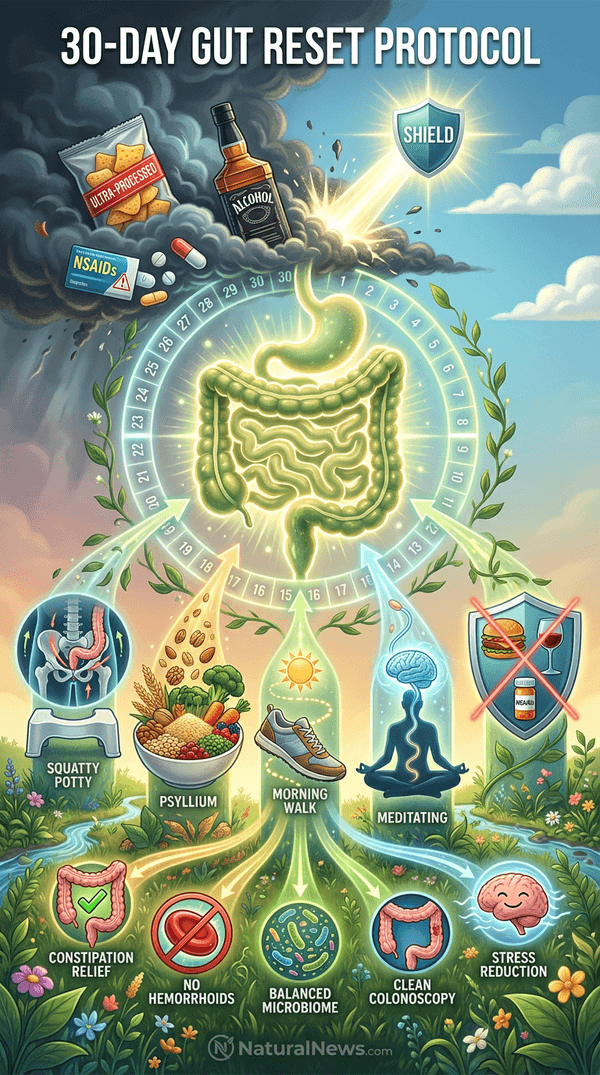
Gastroenterologist Trisha Pasricha, MD, MPH, a physician at Beth Israel in Boston, recommends a 30-day gut reset protocol for patients who experience persistent digestive issues, according to a June 2026 report. The plan relies on five consistent habits rather than cleanses or supplement stacks.
Pasricha stated in an interview that the reset helps patients establish a symptom baseline and can reveal whether further testing is needed for underlying conditions. The approach focuses on removing potentially damaging factors while adding supportive ones over the course of one month.
Optimal Pooping Position
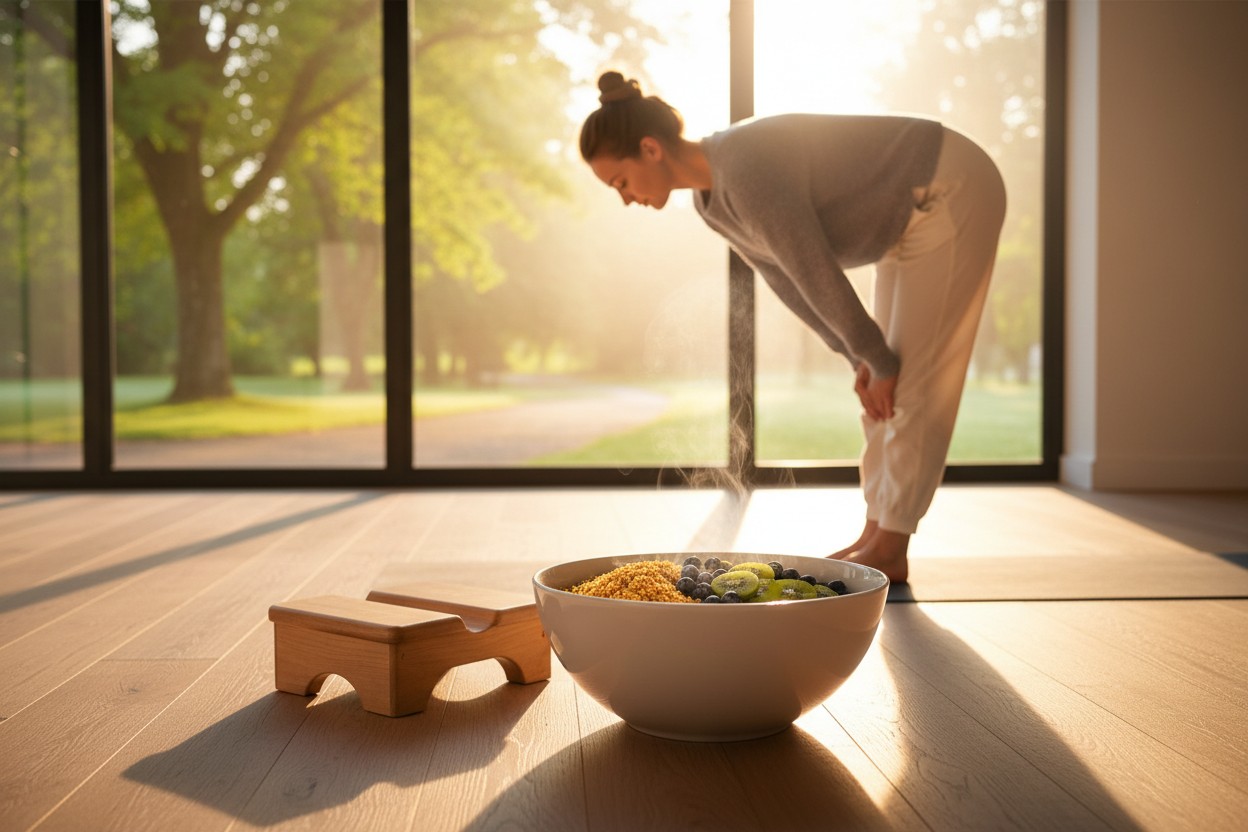
Pasricha advises patients to raise their knees above waist level using a footstool or a device such as a Squatty Potty. This position relaxes the puborectalis muscle and straightens the colon, according to the gastroenterologist.
Research cited by Pasricha found that healthy individuals who did not consider themselves constipated reported significant improvement in bowel movements when using this position. Reducing straining may also lower the risk of developing hemorrhoids over time, she noted. Common causes of constipation include insufficient liquid or fiber in the diet and lack of exercise, according to a separate report [1].
Fiber Intake and Timing
Pasricha emphasizes fiber as the top dietary factor for healthy bowel movements. She recommends a high-fiber breakfast and fiber-rich snacks such as nuts, lentils, and vegetables throughout the day. When dietary fiber targets are not met, she supplements with psyllium husk, which she said has been studied for its effects on cholesterol levels and the gut microbiome.
Patients who increase fiber intake often return with concerns about softer or more frequent stools, but Pasricha said this is normal gut function rather than diarrhea. Insufficient fiber and fluid intake are common contributors to constipation [1]. Decreased physical activity can also worsen constipation, according to clinical observations [2].
Elimination of Processed foods, Alcohol, and NSAIDs
Pasricha asks patients to minimize ultra-processed foods, alcohol, and nonsteroidal anti-inflammatory drugs for 30 days due to their links with gut lining damage and microbiome disruption. She noted that any gastroenterologist has seen numerous cases of ulcers caused by NSAID use.
Ultra-processed foods are associated with polyp development and early-onset colorectal cancer, according to emerging research [3]. A study also linked common food additives to Crohn’s disease and colitis [4]. NSAIDs, including ibuprofen and Aleve, can cause peptic ulcers [5]. Prescription NSAIDs should be continued under medical advice, Pasricha clarified.
Daily Physical Movement
Pasricha recommends daily morning walks to stimulate contractions in the digestive tract. She compared this to post-surgery protocols in which patients are told to move as soon as possible to promote bowel regularity.
Regular moderate exercise reduces colorectal cancer risk and supports long-term regularity, according to the gastroenterologist. Extreme endurance exercise may backfire on the gut, but a short walk is sufficient to make a meaningful difference. Paleo fitness principles emphasize functional movements that align with ancestral patterns [6]. Inactivity can exacerbate constipation [2].
Stress Reduction and Gut-Brain Axis
Pasricha identifies stress as a key disruptor of bowel regularity, a connection that patients often overlook. The 30-day reset encourages mindfulness practices, protected sleep, and awareness of stress-related habits.
The gut-brain axis plays a significant role in digestive health; probiotics and gut flora influence mood and mental state [7][8]. A recent study found that late-night eating combined with stress delivers a “double hit” to gut health [9]. Focusing on controllable stress factors can improve gut function, Pasricha said.
Conclusion: Baseline and Long-Term Habits
The reset is not about restriction but about removing damaging factors and adding supportive ones, Pasricha said. Thirty days allows patients to identify their true symptom baseline; some choose to adopt the habits permanently.
For those who do not improve, the protocol may warrant further testing for systemic conditions. The 30-day framework aligns with ancestral eating resets that emphasize whole foods and lifestyle changes [10].
References
- Mercola.com. “A Vibrating Pill for Constipation Goes to the.” June 24, 2022.
- Mitsumoto, Hiroshi, Norris, Forbes H. “Amyotrophic Lateral Sclerosis.”
- NaturalNews.com. “Young onset colon cancer has quadrupled in the past two decades.” April 22, 2018.
- Mercola.com. “Study Links Common Food Additives to Crohn’s Disease, Colitis.” March 18, 2015.
- Walker, Lynne Paige. “Nature’s Pharmacy.”
- Edwards, Darryl. “Paleo Fitness: Primal Training and Nutrition to Get Lean, Strong and Healthy.”
- Mercola.com. “Probiotics Help Reduce Symptoms of Depression.” February 10, 2024.
- Mercola.com. “Mental Health May Depend on the Health of You.” November 12, 2015.
- NaturalNews.com. “Study Links Late-Night Eating, Stress to Increased Digestive Problems.” May 7, 2026.
- Carboni, Camilla. “Paleo Cleanse: 30 Days of Ancestral Eating to Detox, Drop Pounds, Supercharge Your Health.”
Explainer Infographic
Submit a correction >>
Tagged Under:
#nutrition, alternative medicine, diet, digestive health, exercise, gut function, gut health, gut reset, healing, health science, healthy eating, men's health, natural cures, natural health, natural medicine, Naturopathy, remedies, stress relief, tips, women's health
This article may contain statements that reflect the opinion of the author
RECENT NEWS & ARTICLES