Muscle as medicine: Dr. Gabrielle Lyon’s revolutionary approach to longevity
07/25/2026 / By Belle Carter
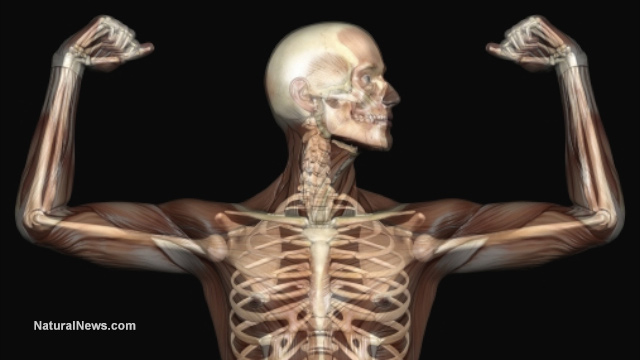
- Skeletal muscle is the true foundation of metabolic health, longevity and independence, not just body weight. Muscle acts as a dynamic organ, regulating blood sugar, cardiovascular function and even sexual health.
- The three pillars of muscle health include: Metabolic powerhouse – muscle efficiently disposes of glucose, preventing diabetes, vascular support – strong muscles improve circulation, reducing heart strain and functional strength – movement ease (not just size) protects aging tendons/joints.
- Instead of blindly lifting heavier weights (risking injury), vary tempo, volume and exercise selection to strengthen muscles and connective tissues sustainably.
- Focus on leucine (2.5g/meal) to trigger muscle synthesis. Animal proteins offer superior bioavailability, while plant-based eaters must strategically combine sources (e.g., beans + rice).
- Medications like Ozempic cause muscle/bone loss, and rebound weight gain often replaces lost mass with fat. Lyon mandates resistance training, high-quality protein and hormone support to counter this.
For decades, conventional health wisdom has fixated on weight loss as the ultimate marker of wellness. But Dr. Gabrielle Lyon, a physician and pioneer in muscle-centric medicine, argues that society has it backward. In a recent appearance on “the mindbodygreen podcast,” Lyon made a compelling case: skeletal muscle, not just body weight, is the unsung hero of metabolic health, longevity and independence as we age.
Lyon, a New York Times bestselling author and founder of the Institute for Muscle-Centric Medicine, challenges the restrictive diet culture that dominates mainstream health advice, BrightU.AI‘s Enoch states. Instead, she advocates for prioritizing strength as a lifelong responsibility – one that pays dividends far beyond aesthetics. Her research-backed approach reframes muscle as a dynamic organ, essential for everything from blood sugar regulation to cardiovascular function.
The three pillars of muscle health
Lyon organizes skeletal muscle’s role into three critical categories – each with far-reaching implications for longevity:
- Metabolic powerhouse: Muscle acts as a primary site for glucose disposal, making it a frontline defense against metabolic diseases like diabetes. “The more healthy muscle mass you have, the greater the capacity for glucose disposal,” Lyon explains.
- Vascular “plumbing”: Recent research co-authored by Lyon and her husband reveals a surprising link between muscle mass, strength and vascular health, including sexual function. Strong muscles support circulation, reducing strain on the heart and arteries.
- Functional strength: While muscle size (hypertrophy) matters, Lyon stresses that functional strength, the ability to move with ease, is equally vital. This is especially crucial as adults age, when tendons and joints become more vulnerable to injury.
Progressive stimulus: A safer path to strength
One of Lyon’s most counterintuitive insights challenges the dogma of “progressive overload” – the idea that lifting heavier weights is the only path to growth. For older adults, she warns, this approach can backfire.
“Muscles often gain strength faster than the tendons and joints supporting them,” Lyon notes.
Instead, she advocates for progressive stimulus: varying tempo, volume and exercise selection to challenge muscles without overtaxing connective tissues. This method prioritizes longevity over short-term gains, reducing injury risk while maintaining metabolic benefits.
Protein quality over quantity
Lyon’s nutritional philosophy centers on high-quality protein – specifically, optimizing intake of leucine, the amino acid that triggers muscle protein synthesis. “Around 2.5 grams of leucine per meal is the ideal target for adults,” she says. Without it, even high-protein diets may fall short in stimulating muscle repair.
But leucine isn’t the only star. Amino acids like threonine (which supports gut health) and methionine (a precursor to the antioxidant glutathione) play crucial roles. Animal proteins, Lyon notes, provide the most bioavailable amino acid profile, while plant-based eaters must strategically combine complementary proteins (like beans and rice) to ensure full nutrient coverage.
The hidden risk of GLP-1 medications
While Lyon acknowledges the benefits of GLP-1 drugs (like Ozempic) for obesity management, she warns of an impending crisis: muscle and bone loss. Studies show most users discontinue these medications within two years—and when weight returns, it often does so as fat, accelerating sarcopenia (age-related muscle loss).
“We are trading one epidemic for another,” Lyon cautions. Her protocol for GLP-1 users is non-negotiable: resistance training, prioritized protein (including shakes if appetite is low) and potential hormone support to preserve lean mass.
Strength is earned, not bought
Lyon’s ultimate message is one of empowerment, not intimidation. There’s no single “right” way to train, just the commitment to consistent resistance work and smart nutrition.
“You’re not building muscle for some distant future,” she emphasizes. “You’re building the capacity to show up fully, right now and for decades to come.” In a world obsessed with quick fixes, Lyon’s science-backed approach offers something radical: a roadmap to resilience that stands the test of time.
Watch the video below that talks about the skeletal muscle and the immune system.
This video is from The Good Question Podcast channel on Brighteon.com.
Sources include:
Submit a correction >>
Tagged Under:
#nutrition, alternative medicine, amino acid, fitness, Gabrielle Lyon, GLP-1, health science, Leucine, longevity, men's health, muscle health, muscle-centric medicine, natural cures, natural health, natural medicine, Naturopathy, nutrients, Ozempic, protein, skeletal muscle, strength, tips, women's health
This article may contain statements that reflect the opinion of the author
RECENT NEWS & ARTICLES