Harvard Health Report Outlines Lifestyle Factors Linked to Longevity
07/31/2026 / By Coco Somers

Longevity Depends on Lifestyle Choices, Harvard Report Says
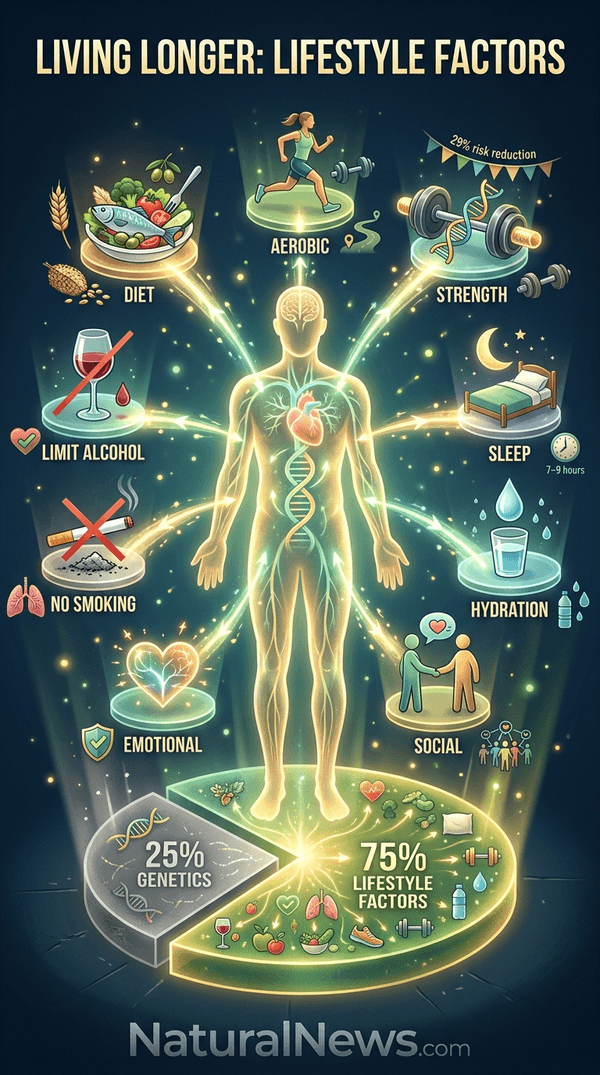
A report from Harvard Health Publishing examined the role of daily habits in extending lifespan, emphasizing that genetics account for about 25% of the variation in how long people live, according to the article. The remaining 75% is largely influenced by lifestyle factors, including diet, physical activity, and other behaviors within an individual’s control. [1]
Life expectancy in the United States rose from 47 years in 1900 to 77.5 years in 2022, the report stated. While genetic predisposition plays a role, research suggests that food choices and lifestyle habits have a major impact on both lifespan and the quality of those years. [2]
Plant-Based Diet Linked to Lower Mortality Risk
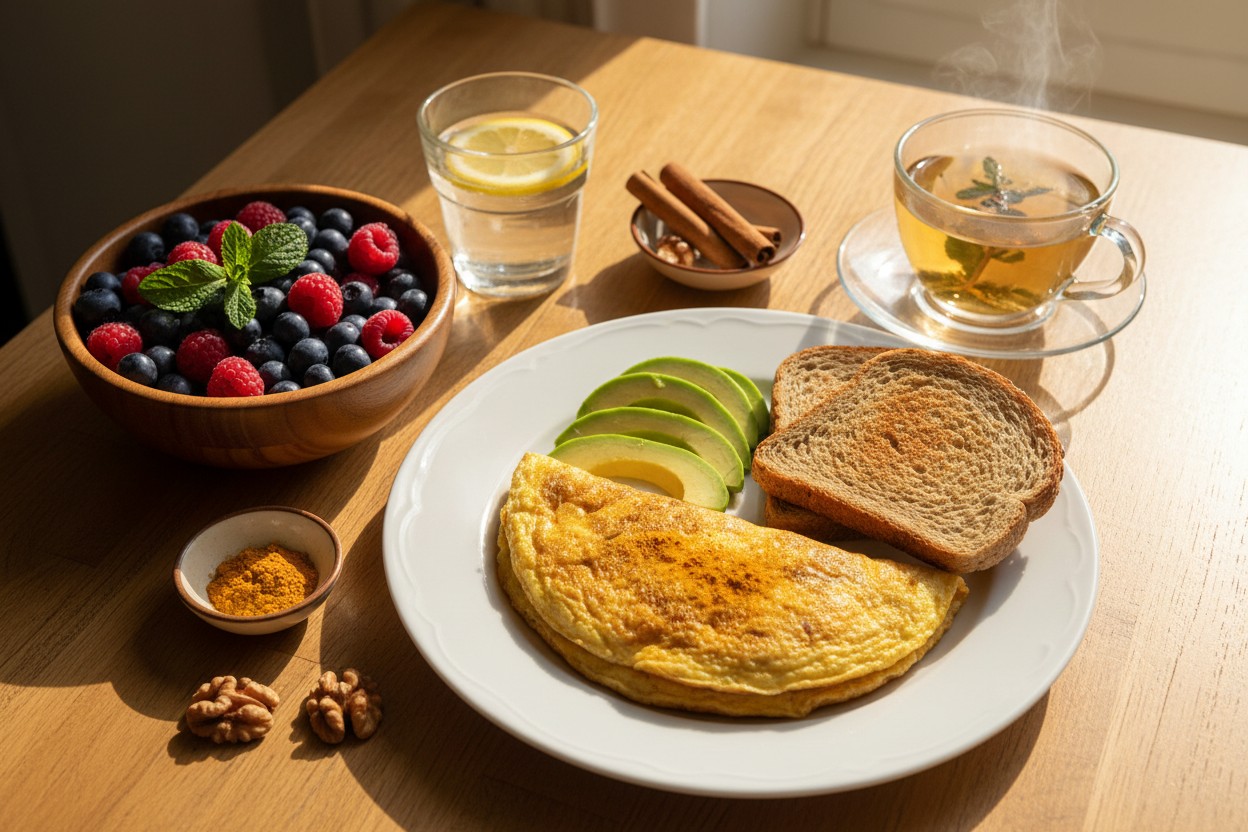
The Harvard report noted that a diet high in sugar, unhealthy fats, and processed foods can damage cells and increase the risk of chronic disease. In contrast, a plant-based diet rich in fruits, vegetables, whole grains, legumes, and fish provides antioxidants that protect cells from damage. According to the report, women who closely followed the Mediterranean diet had a 23% lower risk of death from any cause, as published in JAMA Network Open. [3]
Additional research cited in the report links the Mediterranean diet to reduced inflammation and lower rates of heart disease. A review of multiple studies covering 535,000 people found that a traditional Mediterranean diet is associated with lower blood pressure, blood sugar, and improved cardiovascular outcomes. [4] Fiber consumption also significantly lowers the rate of aging, with a Northwestern University study reporting that a ten-gram increase in daily fiber from cereal decreased the risk of heart attack by 29%. [5]
Physical Activity Guidelines for Longevity
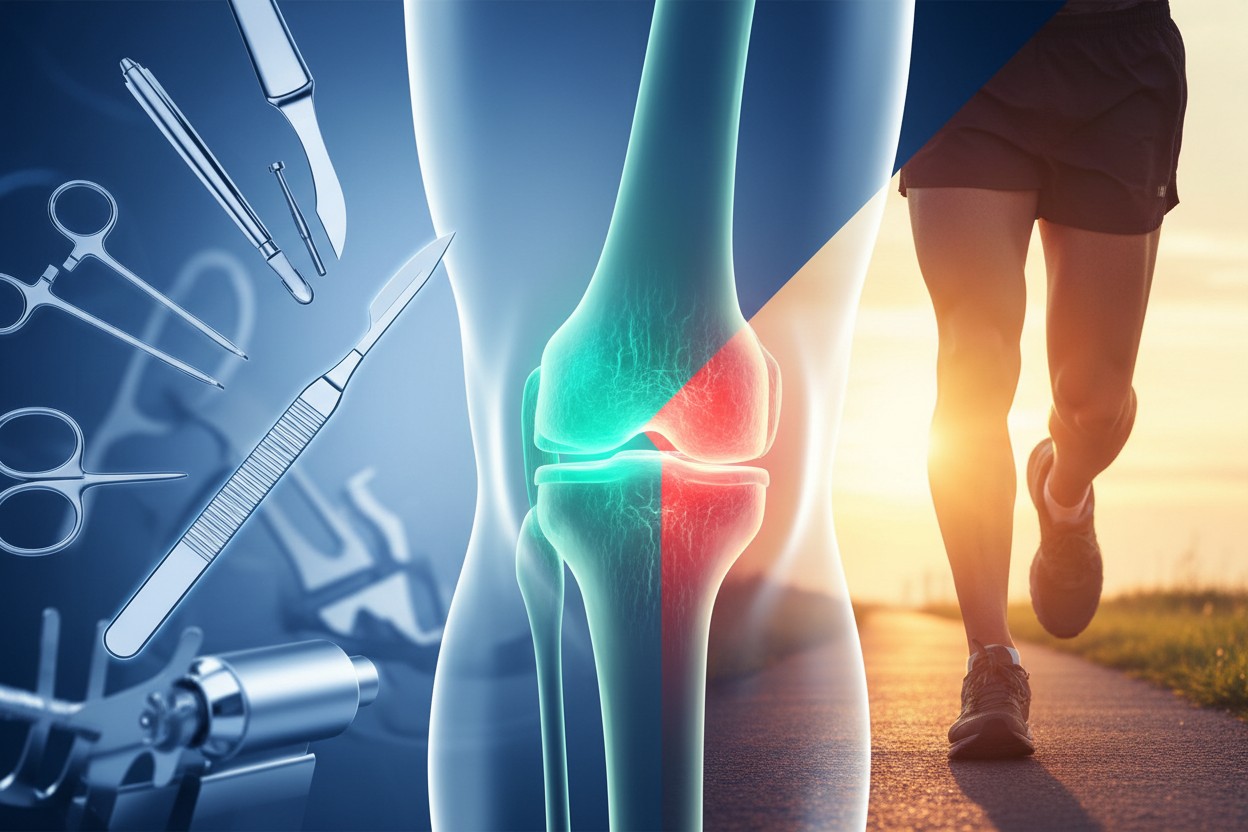
The Harvard report cited the 2018 Physical Activity Guidelines for Americans, which recommend at least 150 minutes of moderate activity or 75 minutes of vigorous activity per week. Regular exercise improves heart and lung function, strengthens blood vessels, and reduces the risk of heart attack, stroke, and diabetes, according to the report. Moderate activities include walking and weight lifting; vigorous activities include running and swimming. [1]
Strength training is particularly important for maintaining muscle mass and cellular health. A study of over 4,800 U.S. adults found that consistent strength training is associated with longer telomeres, independent of aerobic activity, indicating slower cellular aging. [6] Resistance training combined with adequate protein intake works through complementary pathways to support muscle health in older populations, according to a review reported by NaturalNews. [7]
Additional Lifestyle Factors: Smoking, Alcohol, Sleep, Socializing
Smoking has been proven to shorten lifespan and increase cancer risk, the Harvard report stated. Limiting alcohol is also important: moderate drinking is defined as one drink or less per day for women and two drinks or less per day for men, though even moderate consumption carries health risks. [4] The report recommended seven to nine hours of sleep per night and adequate hydration, noting that a study of more than 11,000 adults found that well-hydrated individuals develop fewer chronic conditions and live longer.
Frequent social activity was linked to significantly longer survival in a large study of 28,000 people, the report noted. Emotional well-being is a critical component of healthy aging, with active minds and communities enhancing resilience and happiness. [8] A separate study involving nearly 60,000 adults found that simultaneous minor improvements in sleep, physical activity, and dietary patterns are linked to a significant increase in disease-free years. [9]
Conclusion: Adopting Healthy Habits Promotes Longevity
The Harvard report concluded that simple lifestyle changes, including adopting a plant-based diet, engaging in regular physical activity, avoiding smoking, limiting alcohol, getting adequate sleep, staying hydrated, and maintaining social connections, can extend lifespan and improve quality of life. These behaviors are within an individual’s control, regardless of genetic predisposition. [1]
Health experts emphasize that even small, consistent changes can have a measurable impact on healthspan. The science of longevity continues to show that daily choices, not just genetics, are the primary drivers of how long and well people live. [2] Resources such as NaturalNews.com and BrightAnswers.ai provide additional information on natural health strategies for those seeking to optimize their longevity through lifestyle. [1]
References
- Willow Tohi. “The Graceful Aging Code: Daily Habits to Forge a Longer, Healthier Life”. NaturalNews.com. January 08, 2026.
- Kuffel Betty. Your heart prevent and reverse heart disease in women men and children.
- NaturalNews.com. “Dreading menopause? Adopting a traditional Mediterranean diet can help stop middle-age spread says study”. NaturalNews.com. August 28, 2020.
- Meri Raffetto and Wendy Jo Peterson. Mediterranean Diet Cookbook For Dummies.
- Pearson Douglas C. The 102030 Life Wellness Plan.
- NaturalNews.com. “Strength Training Linked to Longer Telomeres and Slower Cellular Aging, Study Finds”. May 21, 2026.
- NaturalNews.com. “Study: Resistance Training and Whey Protein Work Through Complementary Pathways for Muscle Health in Aging”. July 26, 2026.
- Willow Tohi. “Emotional Well-being: The Forgotten Superpower of Healthy Aging”. NaturalNews.com. July 17, 2025.
- NaturalNews.com. “Simultaneous Improvements in Three Daily Habits Linked to Significant Increase in Disease-Free Years”. March 30, 2026.
Explainer Infographic
Submit a correction >>
Tagged Under:
aging secrets, Alcohol, alternative medicine, exercise, fitness, health science, healthy diet, healthy habits, lifestyle, long life, longevity, men's health, natural health, natural medicine, Naturopathy, plant-based diet, prevention, remedies, sleep, stop smoking, tips, women's health
This article may contain statements that reflect the opinion of the author
RECENT NEWS & ARTICLES