Supporting Hormone Health With A Healthy Breakfast: Tips From An Endocrinologist
08/01/2026 / By Coco Somers
Breakfast and Hormone Health
Endocrinologist Dr. Maria Teresa Anton has outlined five dietary components for a hormone-supportive breakfast, according to an article published on mindbodygreen on July 23, 2026. Dr. Anton is a board-certified internal medicine doctor specializing in endocrinology, diabetes, and metabolism. She currently works as an educator at the Pritikin Longevity Center and previously served as director of the diabetes task force at Long Island Jewish Forest Hills Hospital.
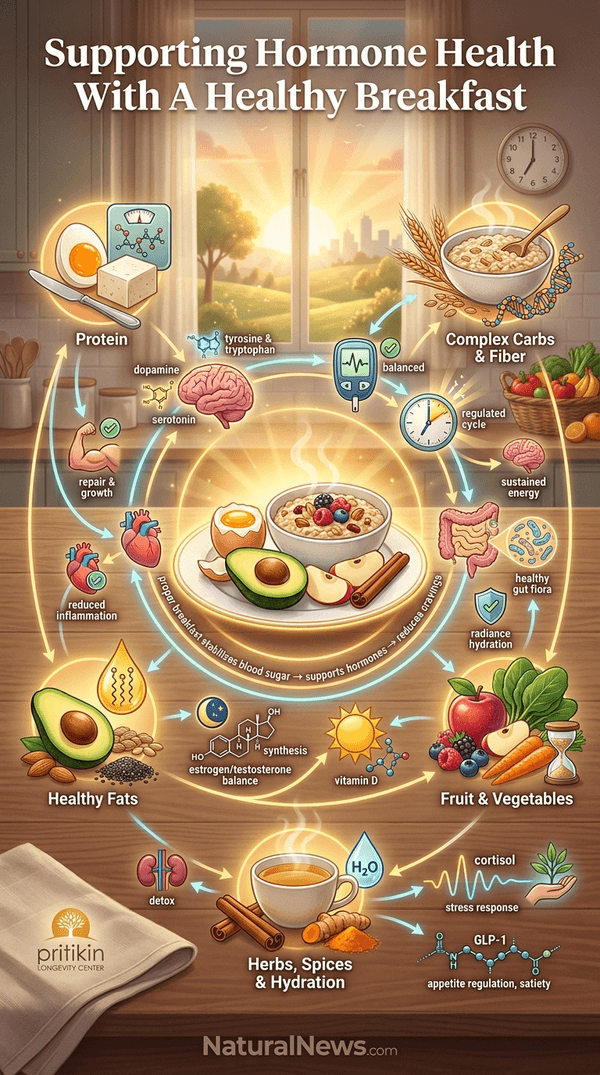
The five keys Dr. Anton recommends are prioritizing protein, incorporating complex carbohydrates and fiber, adding healthy fats in moderation, combining fruits with vegetables, and using herbs, spices, and proper hydration. She stated that breakfast, as the first meal after an overnight fast, sets the tone for metabolic processes and hormonal balance throughout the day.
Why Breakfast Matters for Hormonal Balance
According to Dr. Anton, breakfast consumption after an overnight fast impacts blood sugar regulation, metabolism, and cortisol rhythms. She stated that “breakfast consumption helps synchronize circadian rhythms” and that a balanced morning meal provides essential nutrients for hormone production. The article cites research linking breakfast to steady glucose levels and prevention of blood sugar spikes and crashes.
Dr. Anton emphasized that skipping breakfast can disrupt these processes. She noted that cortisol naturally peaks in the morning and that a nutritious breakfast can help modulate cortisol levels, promoting a healthy balance. She also stated that breakfast kick-starts metabolism, signaling the body to begin burning calories for energy, which can contribute to weight management and overall metabolic health. A nutrient-dense diet rich in healthy fats, fiber, and quality protein helps stabilize blood sugar, reduce inflammation, and support hormone production, according to an article by Laura Harris on NaturalNews.com [1].
Priority on Protein as First Key
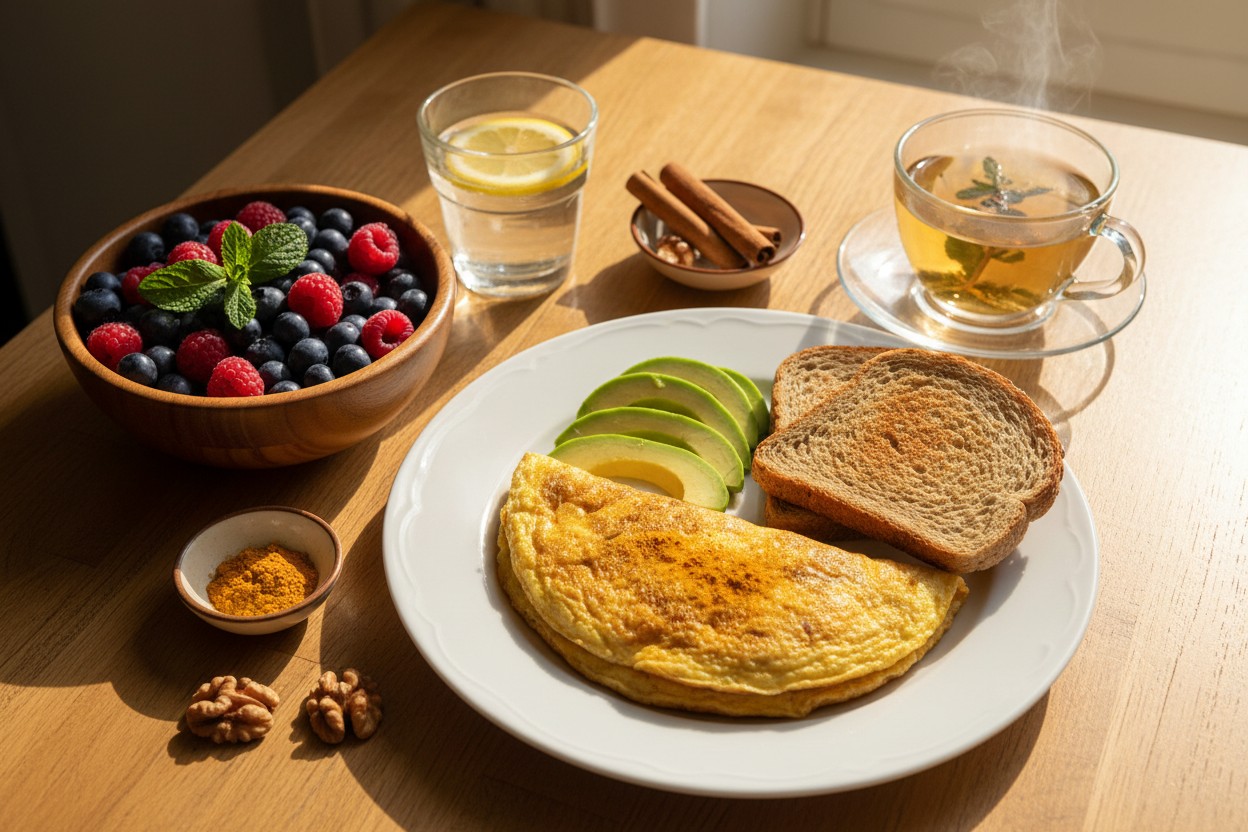
Dr. Anton recommended prioritizing protein at breakfast to stabilize blood sugar and promote satiety. She cited examples such as omelets, quiches, and Greek yogurt, noting that at the Pritikin Longevity Center, breakfast options feature protein from both plant and animal sources, including tofu, legumes, fish, chicken, and meat. According to Dr. Anton, these diverse protein sources provide essential amino acids necessary for hormonal production and regulation.
A book by Karen Wang Diggs notes that amino acids like tyrosine and tryptophan are needed by the brain to make hormones vital to daily function [2]. Tyrosine serves as a precursor to epinephrine, norepinephrine, and dopamine, while tryptophan is a precursor to serotonin and melatonin [2]. Dr. Anton’s emphasis on protein aligns with the concept that adequate amino acid intake supports neurotransmitter and hormone synthesis.
Complex Carbohydrates and Healthy Fats as Additional Keys
Dr. Anton described whole grains and fiber, such as oatmeal, as “a cornerstone of a hormone-healthy breakfast” because they promote steady energy without rapid blood sugar spikes. She emphasized that these foods are best when made with savory toppings. She stated that healthy fats like avocados, nuts, and seeds “serve a pivotal role in hormone synthesis and absorption,” while advising moderation if weight loss is a goal.
The book “Think Eat Move Thrive” by James Rouse and Debra Rouse notes that beginning the day with breakfast is non-negotiable and recommends portion control, such as one egg, whole-grain toast, and half a grapefruit [3]. The article by Laura Harris on NaturalNews.com also highlights that a nutrient-dense diet rich in healthy fats, fiber, and quality protein helps stabilize blood sugar and support hormone production [1]. Additionally, foods rich in soluble fiber, monounsaturated fats, and lean protein can stimulate GLP-1 production, a hormone that promotes satiety and weight management, according to an article by Willow Tohi on NaturalNews.com [4].
Fruit Combinations, Herbs, and Hydration as Final Keys
Dr. Anton suggested pairing fruits such as berries, apples, and citrus with vegetables to optimize blood sugar control. She provided examples including grapes with celery, blueberries with leafy greens, apples with carrot sticks, and mango with bell pepper. She stated that these combinations “offer natural sweetness without inducing substantial blood sugar fluctuations” and support digestive and immune health.
Dr. Anton recommended adding herbs like cinnamon and turmeric to meals and emphasized hydration with herbal teas or water. She noted that cinnamon can be sprinkled on oatmeal and turmeric incorporated into egg dishes. The article indicates that these herbs and spices enhance flavor and offer potential health benefits. Hydration remains crucial, according to Dr. Anton, and herbal teas or water are encouraged to start the day right.
Implications and Practical Takeaways
Dr. Anton advised that individual dietary needs vary and urged consulting a health care professional or registered dietitian for personalized guidance. The article concludes that incorporating these five components into breakfast “sets a strong foundation for hormone health and overall well-being.” No independent experts were quoted; the information is solely from Dr. Anton’s published recommendations.
For readers seeking additional information on natural approaches to hormone health, resources such as NaturalNews.com offer independent reporting on dietary strategies and natural supplements that support hormonal balance [4].
References
- Laura Harris. “10 Natural ways to balance your hormones”. NaturalNews.com. February 17, 2026.
- Karen Wang Diggs. “Happy foods over 100 mood-boosting recipes”.
- James Rouse and Debra Rouse. “Think Eat Move Thrive”.
- Willow Tohi. “Who needs Ozempic? Dietary strategies and natural supplements boost GLP-1 hormone for healthy weight loss without medications”. NaturalNews.com. May 19, 2025.
Explainer Infographic
Submit a correction >>
Tagged Under:
#nutrition, alternative medicine, breakfast, complex carbohydrates, fiber, food cures, food is medicine, food science, fruits, functional food, grocery cures, health science, healthy fats, Herbs, hormone health, men's health, natural cures, natural health, natural medicine, Naturopathy, nutrients, organics, protein, tips, veggie, women's health
This article may contain statements that reflect the opinion of the author
RECENT NEWS & ARTICLES