Study: Higher Diet Quality Scores Linked to Better Lung Function in Dutch Adults
08/31/2026 / By Coco Somers
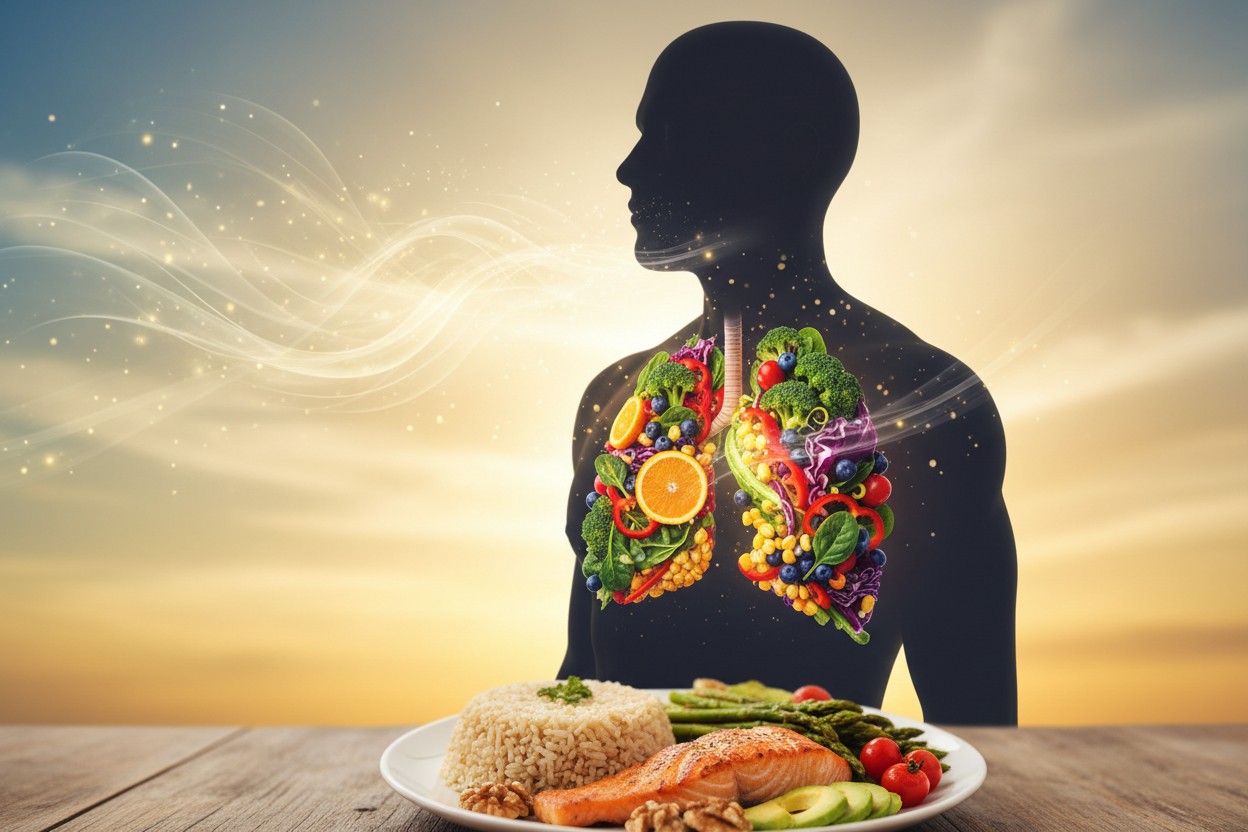
Study of 83,000 Adults Finds Diet-Lung Function Link
A study of more than 83,000 adults in the Netherlands has found that higher diet quality scores were associated with modestly better lung function, according to researchers using data from the Lifelines cohort. The association was strongest among individuals with chronic obstructive pulmonary disease (COPD), officials said.
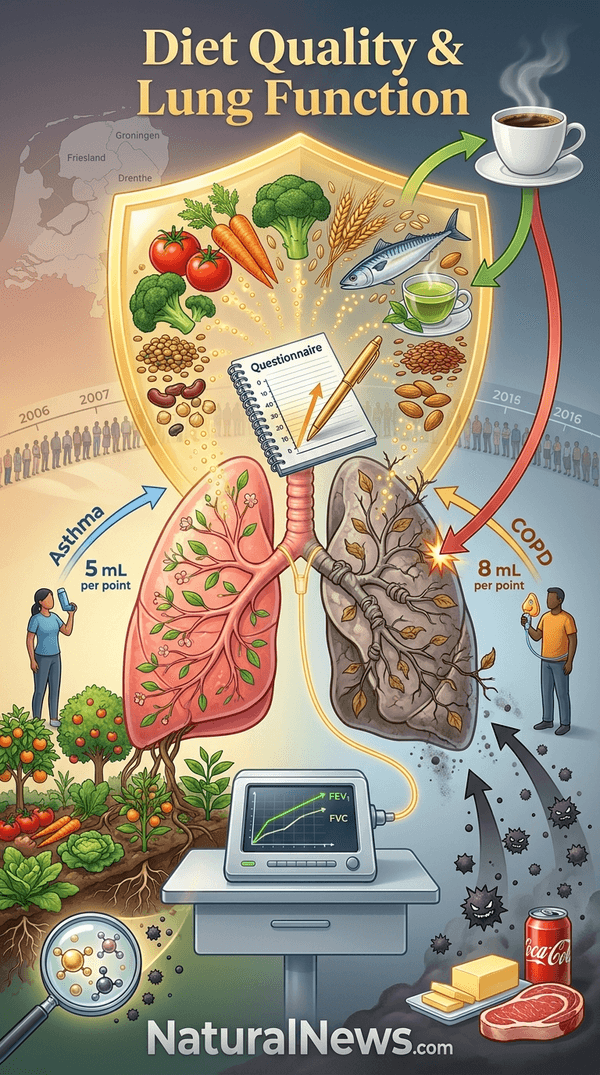
For every one-point increase in the diet score, participants could force out about 5 mL more air in one second, and about 8 mL among those with COPD, the report stated. The findings were published in a recent analysis of the long-running Dutch health study.
Methodology and Participants
Researchers analyzed data from the Lifelines cohort, a long-running health study in the Netherlands, according to the report. A total of 83,460 adults completed a 110-item food questionnaire at the beginning of the study, which researchers used to calculate an overall diet quality score ranging from 0 to 48.
The scoring system rewarded diets higher in vegetables, fruit, whole grains, legumes, nuts, fish, unsaturated fats, unsweetened dairy, coffee, and tea, while penalizing red and processed meat, butter, hard margarines, and sugary drinks, the study stated. Lung function was measured using spirometry, a common breathing test that assesses how much air a person can force out of the lungs and how quickly, according to the report.
Researchers were particularly interested in whether diet affected lung function differently in people with asthma or COPD, a long-term condition that makes it harder to move air out of the lungs and can cause lung function to decline over time, officials said.
Findings Across All Participants and Subgroups
Across the full cohort of 83,460 adults, higher diet scores were linked to slightly better lung function, with a 5 mL increase in forced expiratory volume per one-point score increase, according to the study. Among people with COPD, the association was stronger, with an 8 mL increase per point, while those with asthma showed a smaller but still present link, the report stated.
Follow-up data from 37,752 adults over roughly 10 years showed that people with COPD who had higher diet scores at the beginning tended to lose lung function more slowly, across all three breathing measures tracked, the researchers reported. This pattern held in both mild and moderate COPD cases. For people with asthma, the same pattern did not show up over time, according to the study.
Specific Foods and Drinks Associated with Lung Function
When researchers examined individual food groups, vegetables and fruit were associated with better lung function among people with COPD or asthma, according to the report. Tea was also linked to better lung function, while butter and hard margarines were associated with worse outcomes, the study stated.
Higher coffee intake was linked to faster lung function decline across the full group, even though coffee counted toward a higher overall diet score, the report said. These individual findings require context, as the study was observational and could identify patterns but not determine whether a particular food caused better or worse lung function, researchers noted.
Limitations and Practical Takeaways
The study was observational, meaning researchers could identify patterns but not establish causation, according to the report. Diet was also measured only once at the start, so researchers could not account for changes in eating habits over the following decade, officials said.
The overall eating pattern associated with better lung function centers on plant foods, whole grains, legumes, nuts, fish, and unsaturated fats, while limiting red and processed meat, butter, and sugary drinks, the report stated. For individuals with asthma or COPD, dietary changes should not replace prescribed treatments, officials said, and more research is needed to determine whether diet can directly slow lung decline.
While the study does not prove cause and effect, the pattern aligns with dietary approaches that emphasize whole foods and limit processed options, which have been linked to reduced inflammation and other health benefits [1][2]. Natural health advocates point to the role of plant-based nutrition in supporting lung health, though the researchers emphasized that diet should be viewed as one part of a broader health strategy [3][4].
References
- Greger, Michael. “How Not To Die: Discover the foods scientifically proven to prevent and reverse disease.”
- Children’s Health Defense. “Modern Diets Don’t Have Enough Fiber. Here’s Why That Matters.”
- Unknown. “Eat for extraordinary health healing.”
- Mike Adams. “Health Ranger Report – health habits .” Brighteon.com. March 07, 2025.
Explainer Infographic
Submit a correction >>
Tagged Under:
aging secrets, alternative medicine, food cures, food is medicine, food science, fruits, health science, healthy diet, lung function, lung health, natural cures, natural health, natural medicine, Naturopathy, organics, plant diet, remedies, research, veggie
This article may contain statements that reflect the opinion of the author