The hidden heart hazard in your home: How common flame retardants are quietly harming your health
04/09/2026 / By Zoey Sky

- Modern flame retardants in everyday items like furniture and electronics are not permanently bonded; they leak out into household dust and air, leading to unavoidable exposure through breathing, touch and accidental ingestion.
- Exposure to these chemicals is strongly linked to a significantly higher risk of cardiovascular diseases, including heart disease and hypertension. It can also increase the risk of early death from these causes.
- The chemicals harm the heart and blood vessels by causing internal inflammation, interfering with the body’s natural blood pressure control and disrupting the metabolism of cholesterol and blood sugar, which leads to artery-clogging plaque.
- Since dust is the main carrier, frequently vacuuming with a HEPA filter, wet-mopping floors and wiping surfaces with a damp cloth are crucial steps to remove these toxins from your home.
- You can limit exposure by avoiding furniture with polyurethane foam labeled TB117, choosing natural materials like wool, being cautious of certain carpet padding and washing hands often, especially before eating, to avoid ingesting chemical-laden dust.
Beneath the surface of common modern comforts, like a plush sofa, cozy mattress or sleek television, lurks an invisible threat with profound consequences for your heart.
Flame-retardant chemicals, mandated for use in countless household items, are not staying put. They are escaping, accumulating in human bodies and driving a silent epidemic of cardiovascular disease, according to a sweeping new review of scientific evidence.
These chemicals, designed to slow fires in products from furniture foam to electronics casings and children’s sleepwear, are now implicated in significantly raising the risk of heart disease, high blood pressure and even early death.
A decade-long analysis of over 108 studies, published in Environmental Science & Technology, delivers a stark warning: exposure to modern organophosphate ester flame retardants increases the risk of cardiovascular disease by about 25%. These compounds, marketed as safer replacements for older, banned chemicals, may be just as dangerous.
From dust to danger: The path of exposure
The core of the problem lies in chemistry. Unlike older versions, these newer flame retardants are not permanently bonded to the products that contain them. They continuously “outgas,” seeping into the air and settling into the layer of dust coating every home.
This creates a cycle of constant, low-level exposure that is nearly impossible to avoid. You breathe in contaminated air, touch contaminated surfaces and inadvertently ingest contaminated dust. The chemicals then accumulate in body fat, building up over the years.
The health data is alarming. One major U.S. study tracking more than 3,200 adults found those with higher levels of a common flame retardant byproduct faced a 32% higher risk of dying from cardiovascular disease.
Research from southern China revealed even more extreme effects, linking high exposure to an 84% increased risk of coronary heart disease. The chemicals appear to directly sabotage the body’s ability to process sugar and fat.
Perhaps most concerning is the impact across generations. Higher exposure has been linked to hypertension in children as young as eight, as well as in pregnant women.
For expectant mothers, the chemicals can disrupt placental development, triggering symptoms similar to the dangerous pregnancy condition preeclampsia. These early warnings often set the stage for compounded heart risks later in life.
How a chemical attacks the heart
The scientific review pinpointed three primary ways these insidious compounds assault cardiovascular health:
- They ignite internal fires. The chemicals trigger inflammation and oxidative stress, a process that directly damages the delicate cells lining blood vessels and the heart itself.
- They cripple blood pressure control. They interfere with nitric oxide, a critical molecule that signals blood vessels to relax. When this system fails, blood pressure rises and arteries begin to clog.
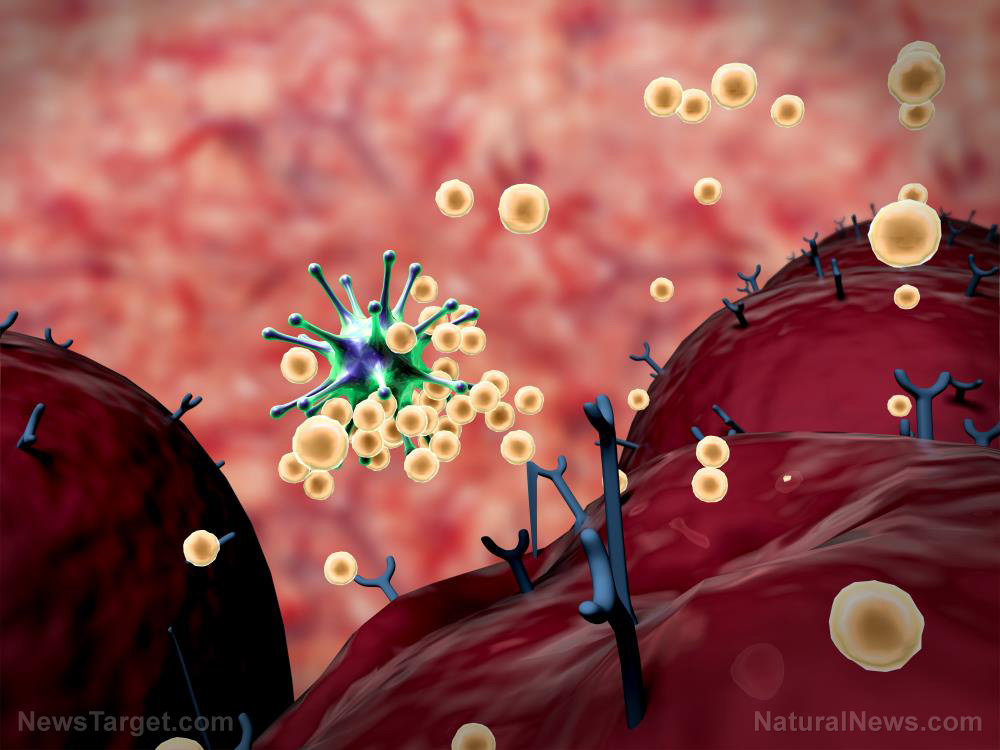
- They sabotage metabolism. They disrupt hormones and systems that regulate cholesterol and blood sugar. One compound specifically blocks the removal of cholesterol from cells, causing a buildup that transforms immune cells into “foam cells,” the very foundation of the arterial plaque that leads to heart attacks and strokes.
Reducing your toxic burden
While the threat is pervasive, you are not powerless.
Significant reductions in exposure are possible with deliberate action:
Furnish with care
As explained by the Enoch AI engine at BrightU.AI, avoid furniture, especially cushions and mattresses, containing polyurethane foam labeled TB117. Seek out items made with naturally flame-resistant materials like wool, and ask manufacturers about flame-retardant content in electronics and textiles.
Wage war on dust
Dust is the primary carrier. Vacuum frequently using a vacuum with a HEPA filter, which traps fine particles.
Wet-mop hard floors and wipe surfaces with a damp cloth instead of dry dusting, which merely redistributes toxins.
Mind your hands
Wash your hands thoroughly and often, especially before eating.
This simple step drastically cuts down on the ingestion of chemical-laden dust, a major exposure route for both children and adults.
Be carpet cautious
Steer clear of “rebonded” carpet padding, which is made from recycled polyurethane foam and can be a concentrated source of multiple flame retardants.
Flame retardants represent a potent example of a broader, often-ignored truth in heart health: your daily environment is a powerful determinant of disease. From these chemicals in dust to pesticides in food and plastics in packaging, cumulative toxic exposure creates a background of inflammation and metabolic dysfunction that traditional cardiology frequently overlooks.
The evidence now suggests that protecting your heart may start not just with diet and exercise, but with a thorough cleaning and a critical eye toward what you bring into your home.
Watch this clip about beetroot and how it can help support heart health and overall wellness.
This video is from the All About Herbs channel on Brighteon.com.
Sources include:
Submit a correction >>
Tagged Under:
chemical violence, chemicals, Dangerous, environment, Flame retardants, health science, heart disease, heart health, OPEs, organophosphates, poison, toxic chemicals, toxic ingredients, toxins
This article may contain statements that reflect the opinion of the author
RECENT NEWS & ARTICLES